In modern electronic consumer markets, grid instability and planned power outages—collectively known as loadshedding—present catastrophic challenges to both TV manufacturers during testing phases and end-users operating high-value digital displays. When manufacturing lines experience abrupt voltage sags, micro-interruptions, or total power failure, sensitive liquid crystal display (LCD) substrates, organic light-emitting diode (OLED) backplanes, and critical system-on-chip (SoC) controller boards are susceptible to permanent thermal shock, localized component breakdown, and software memory corruption.
To address this, leading television manufacturers are actively seeking CE-certified backup and hybrid energy mitigation schemes. Implementing a robust loadshedding solution for TV manufacturing environments and retail deployment requires a combination of high-efficiency photovoltaic systems, fast-crossover energy storage technologies, and highly durable protective enclosures.
Key Engineering Focus: A certified loadshedding solution must not only sustain the nominal load of a display unit but must also manage high inrush currents during cold starts and handle harmonics produced by Switch Mode Power Supplies (SMPS) without degrading energy conversion efficiency.
Exporting display electronics and auxiliary power platforms to the European Economic Area (EEA) demands absolute conformity with strict CE directives. When integrated with backup power units (such as domestic storage batteries or hybrid solar micro-inverters), the assembly must be vetted against multiple safety and electromagnetic parameters.
Ensures electrical equipment within defined voltage limits offers high protection levels against shock, insulation failure, and thermal anomalies during critical switching processes.
Conforming to Directive 2014/30/EU prevents EMI emissions from disrupting nearby equipment and protects the display from being shut down by high-power transients.
Mandates restricted hazardous substances within display components and ensures standby power states utilize less than 0.5W under EU commission regulations.
The future of industrial and commercial TV operations lies in transition from passive offline UPS backups to active, smart-hybrid power micro-grids. Manufacturers are designing system designs utilizing advanced photovoltaic materials and storage setups to build robust off-grid configurations.
In order to maintain consistent throughput, the electrical integration path must feature:
Over the next five years, the industry expects a major transition toward Perovskite-Silicon Tandem cells yielding efficiencies past 30%, coupled with Solid-State battery arrays that reduce thermal runaway risk to near zero. Investing in robust anodized aluminum structural frames and durable composite polyurethane support channels guarantees that these PV installations will withstand decades of environmental exposure.
Mitigating loadshedding is not only an individual consumer concern; it requires institutional macro solutions that support assembly facilities and commercial operations alike.
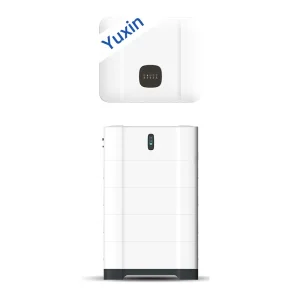
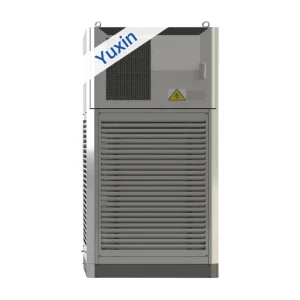
Heavy duty modular battery configurations, such as the P01-EC60-30K commercial rack systems, allow plants to store off-peak electricity and discharge it during peak times or scheduled loadshedding periods, ensuring zero factory downtime.
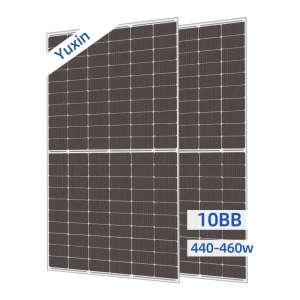
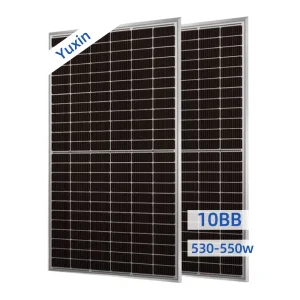
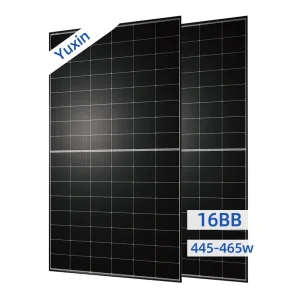
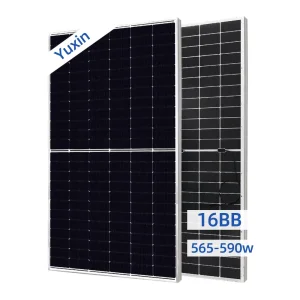
By covering factory rooftops with high-density N-type monocrystalline dual-glass modules, companies can feed clean power directly into their primary manufacturing circuits. Anodized aluminum frame profiles provide the wind-load rating required for high-rise installations.
As TV testing labs handle hundreds of panels simultaneously, they generate non-linear harmonic distortion. Advanced grid-tied industrial solar systems integrate high-frequency active filters to stabilize grid wave profiles.
Electrical grid profiles differ drastically around the globe. While European grids are highly stable, regions in Sub-Saharan Africa (e.g., South Africa), South Asia (e.g., India, Pakistan), and portions of South America struggle with constant voltage fluctuations.
We work closely with display manufacturers exporting to loadshedding zones by modifying the input threshold limits on our hybrid storage products. The solar system controls are calibrated to engage seamlessly with Eskom's load curtailment protocols in South Africa or high-surge environments in developing industrial hubs.
Our global compliance team delivers tailored engineering support, drafting customized CE-certified sub-assemblies that simplify field installation processes in regional markets.
Sourcing premium photovoltaic components and rugged structures from China ensures unmatched reliability and structural integrity. By implementing smart factory processes, we control critical manufacturing variables.
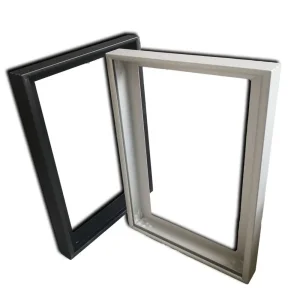
Yuxin New Energy utilizes automated production channels to construct aluminum solar panel framing kits and state-of-the-art polyurethane pultruded composite structures. Polyurethane pultrusion yields extreme tensile properties, providing optimal support for marine-grade or chemical-heavy industrial environments.
When drafting request-for-quotes (RFQs) for industrial energy storage and solar solutions, procurement departments must look beyond standard pricing. The table below represents the technical criteria required to assess systems for TV manufacturing support.
| Evaluation Parameter | Threshold Requirement | Target Optimum Level | Safety / Certification Standard |
|---|---|---|---|
| Battery Cycle Life (at 80% DoD) | ≥ 4000 Cycles | ≥ 6000 Cycles (LiFePO4) | IEC 62619, CE, UN38.3 |
| Inverter Switchover Speed | ≤ 20 milliseconds | ≤ 8 milliseconds (UPS Class) | EN 62040-1 (UPS Standard) |
| Solar Frame Corrosion Class | C3 (Moderate Environment) | C5-M (Marine High-Salinity) | ISO 12944 / Qualanod Anodization |
| PV Conversion Efficiency | ≥ 21.0% (PERC) | ≥ 22.8% (TOPCon Monocrystalline) | IEC 61215, IEC 61730, CE |
Located in the scenic historical and cultural ancient city of Yangzhou, close to the Beijing-Shanghai Expressway, Runyang Yangtze River Bridge, and Ningqi Railway, the group has a superior geographical location and convenient transportation. The group was established in 2008 and has 14 multi-field companies under its jurisdiction, including Jiangsu Yuxin New Energy Technology Co., Ltd., and has won many titles such as National High-tech Enterprise, Technology-based Enterprise, and Gaoyou City Top 100 Private Enterprises.
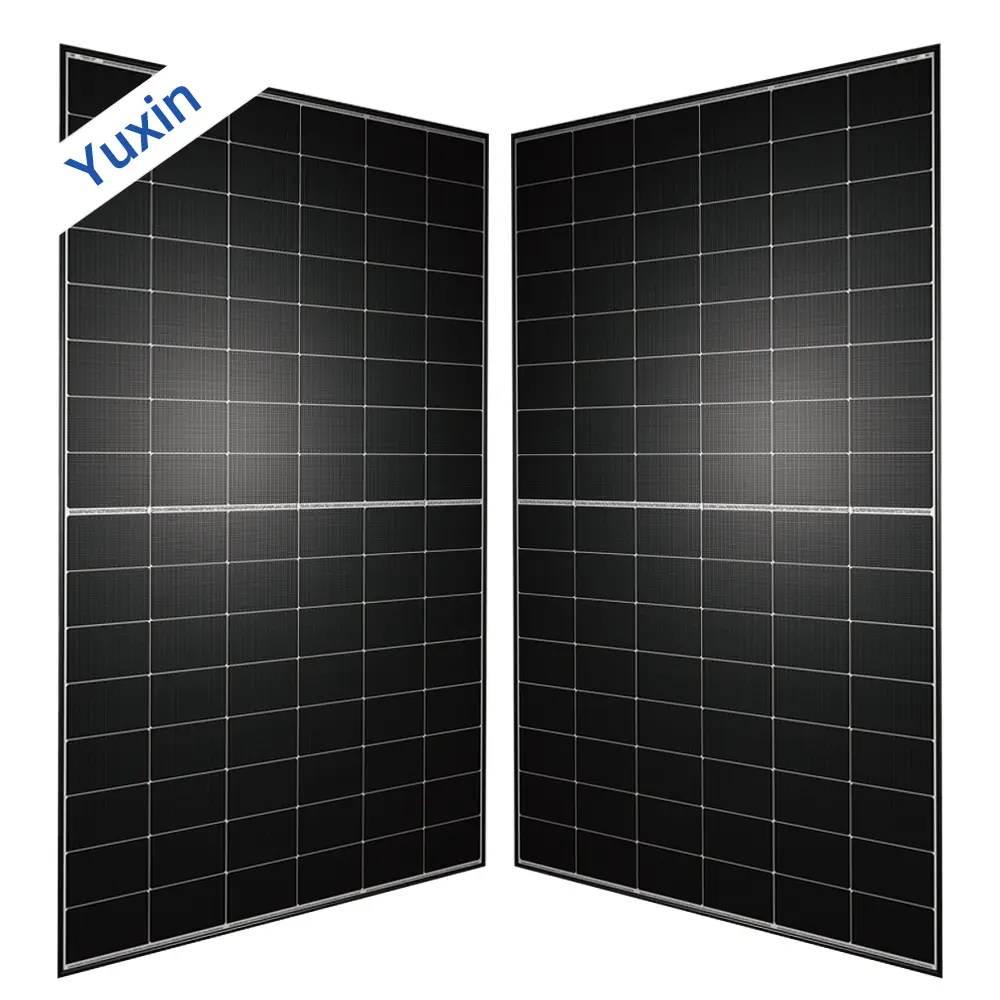
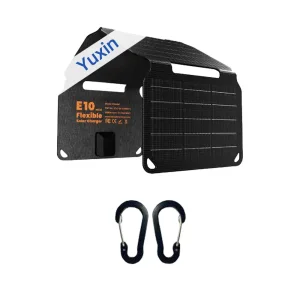
Lightweight design with transparent back panel for easy installation and reduced BOS costs.
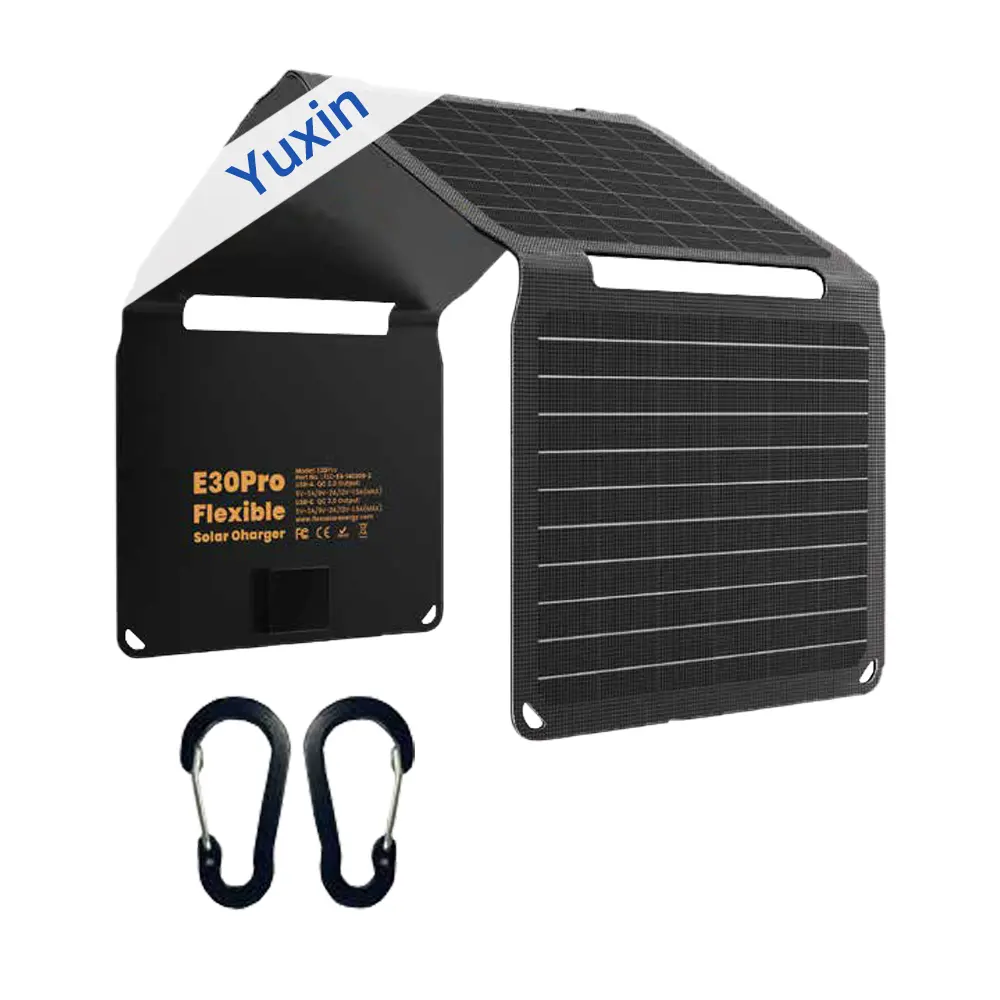
Utilizing advanced monocrystalline silicon cells, it achieves a high energy conversion efficiency of 24%.
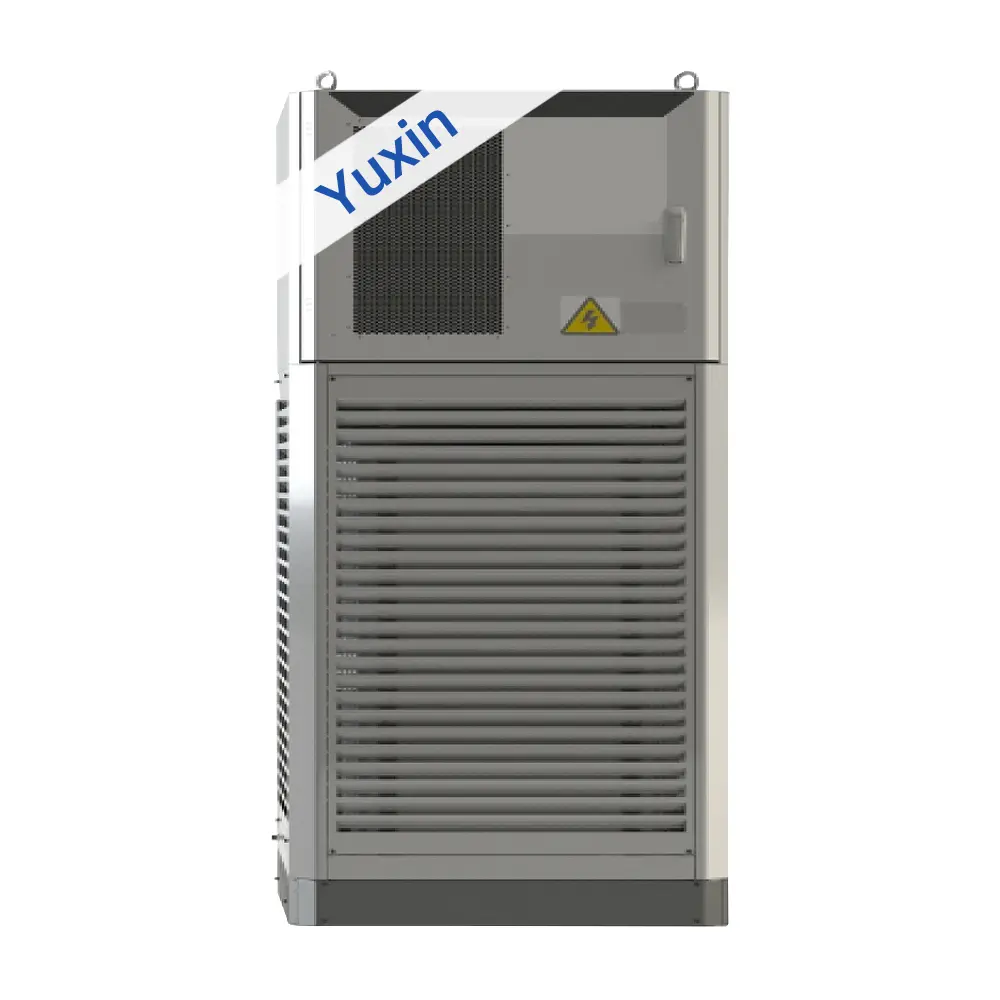
Application modes include grid-connected mode, off-grid mode, and integrated grid-connected/off-grid mode.
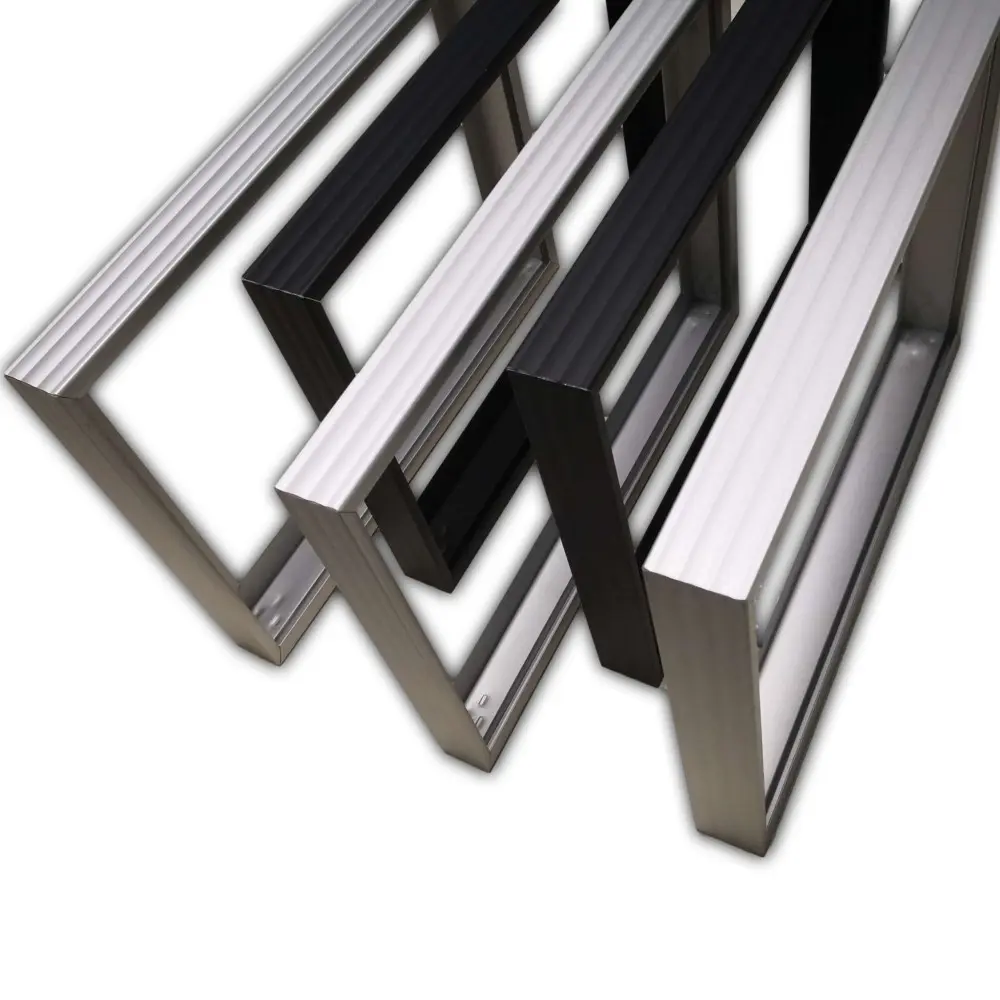
Made of high-quality anodized aluminum, it ensures superior weather resistance and a smooth, long-lasting finish.
Our production systems adhere strictly to ISO guidelines and maintain certifications verifying compliance with local and international electronic components and solar framing safety regulations.
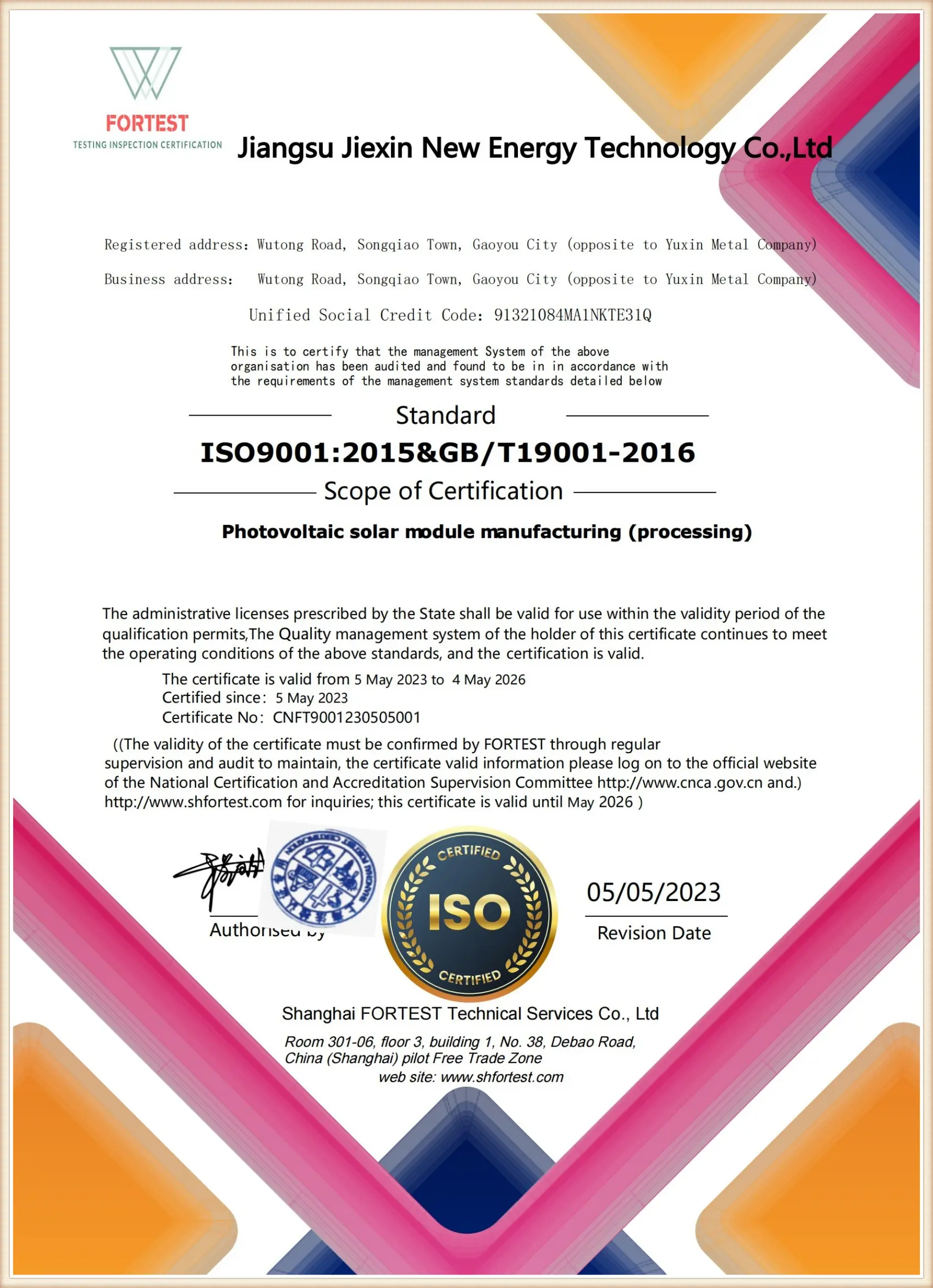
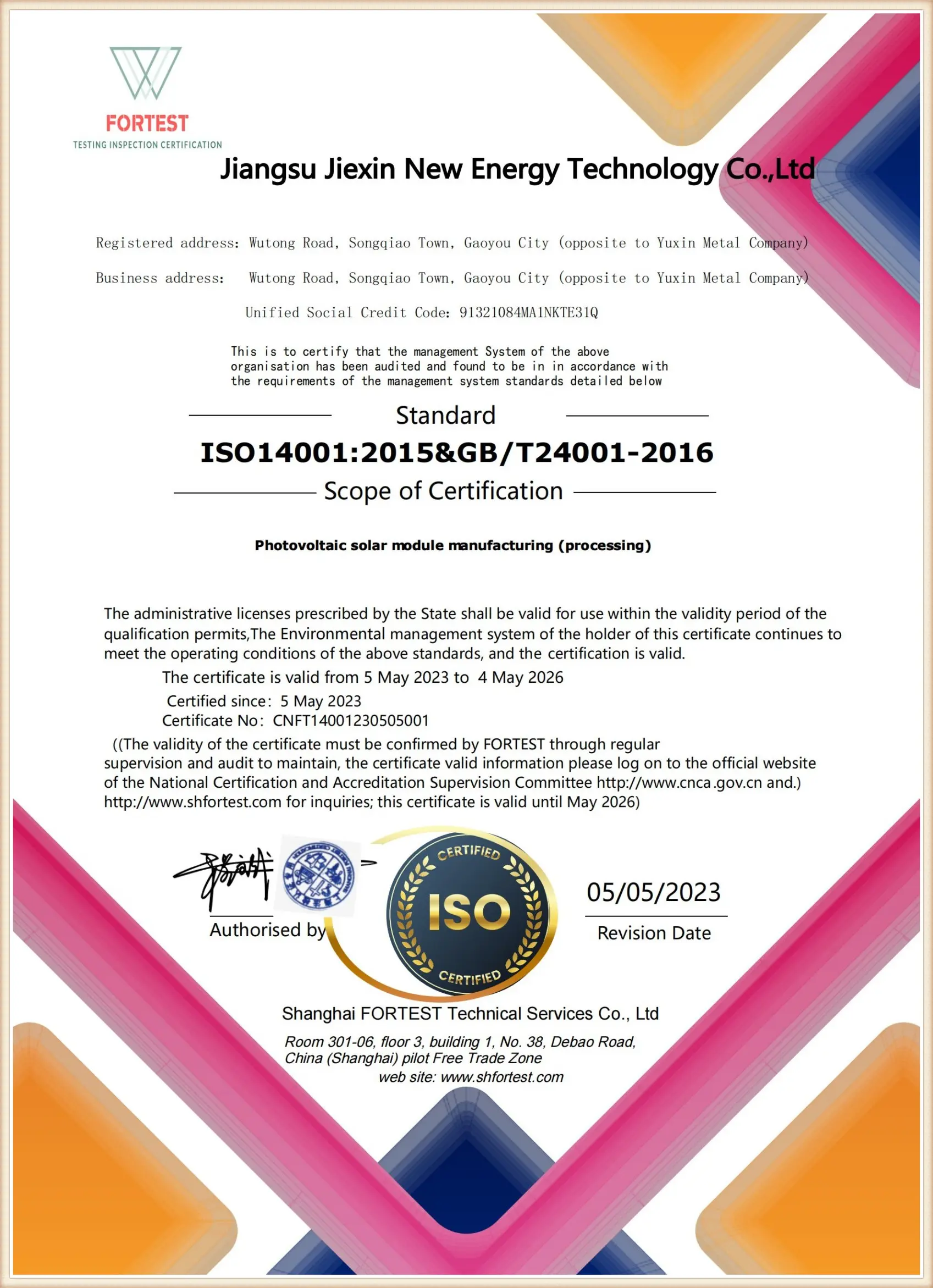
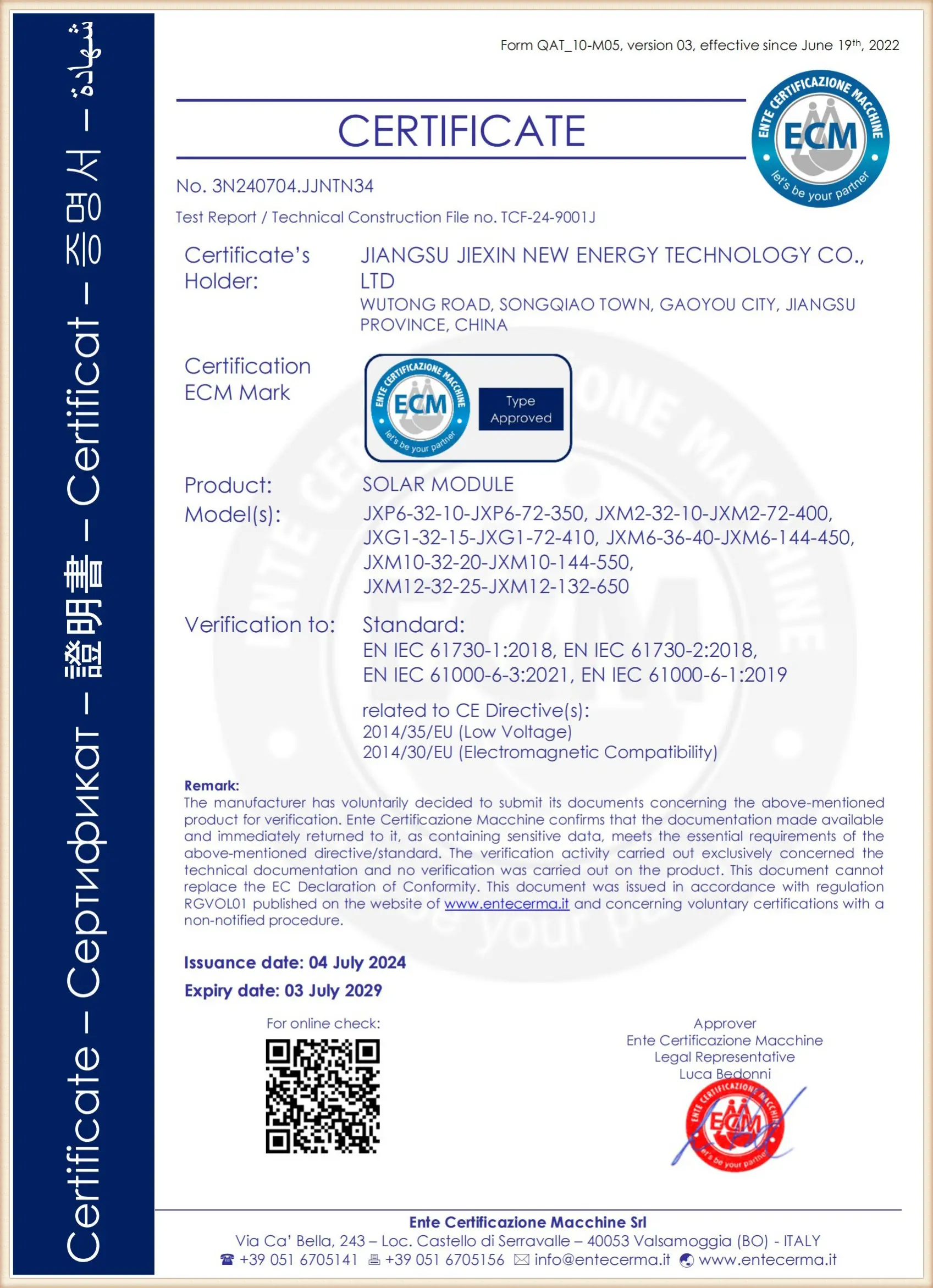
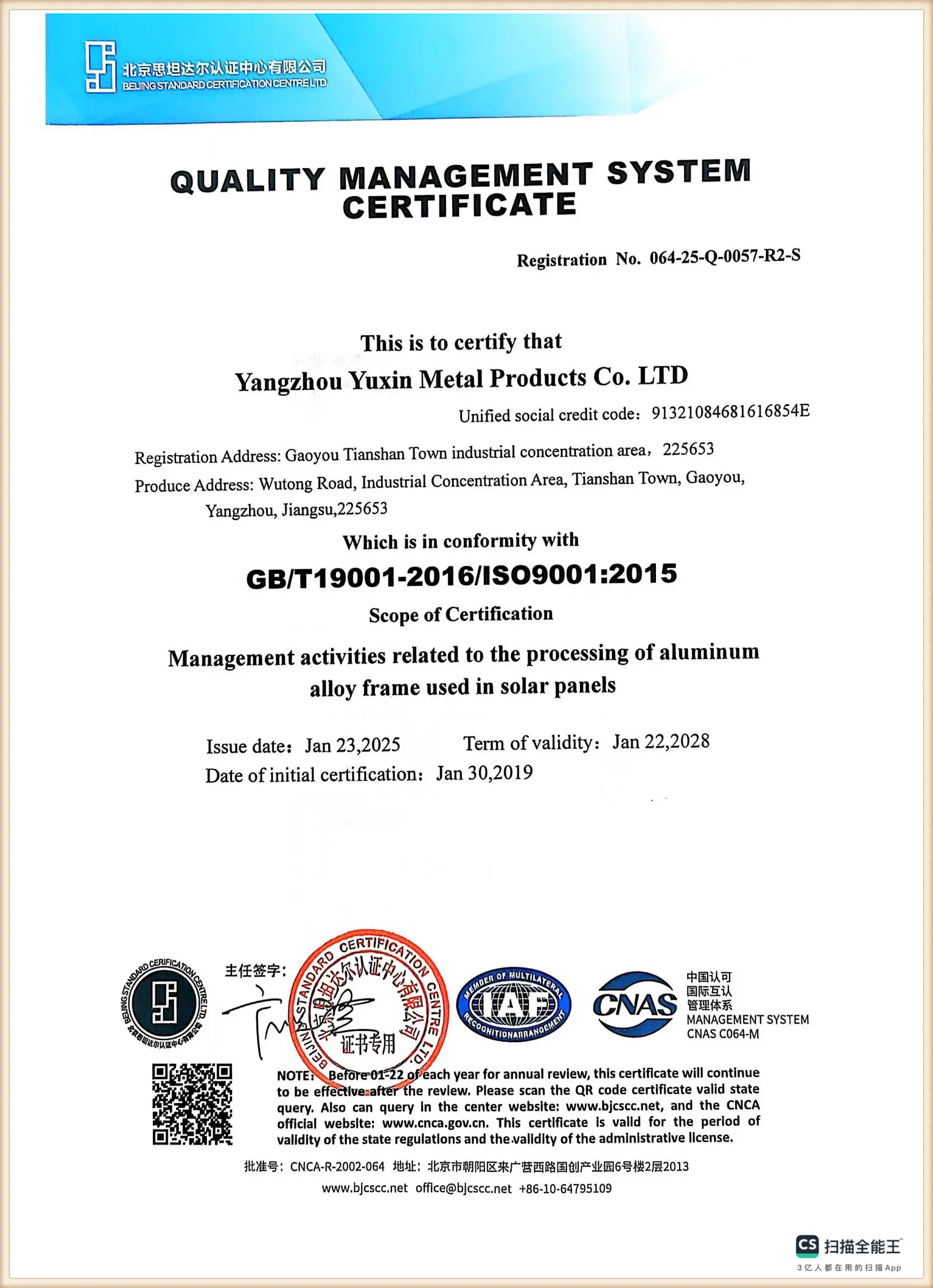
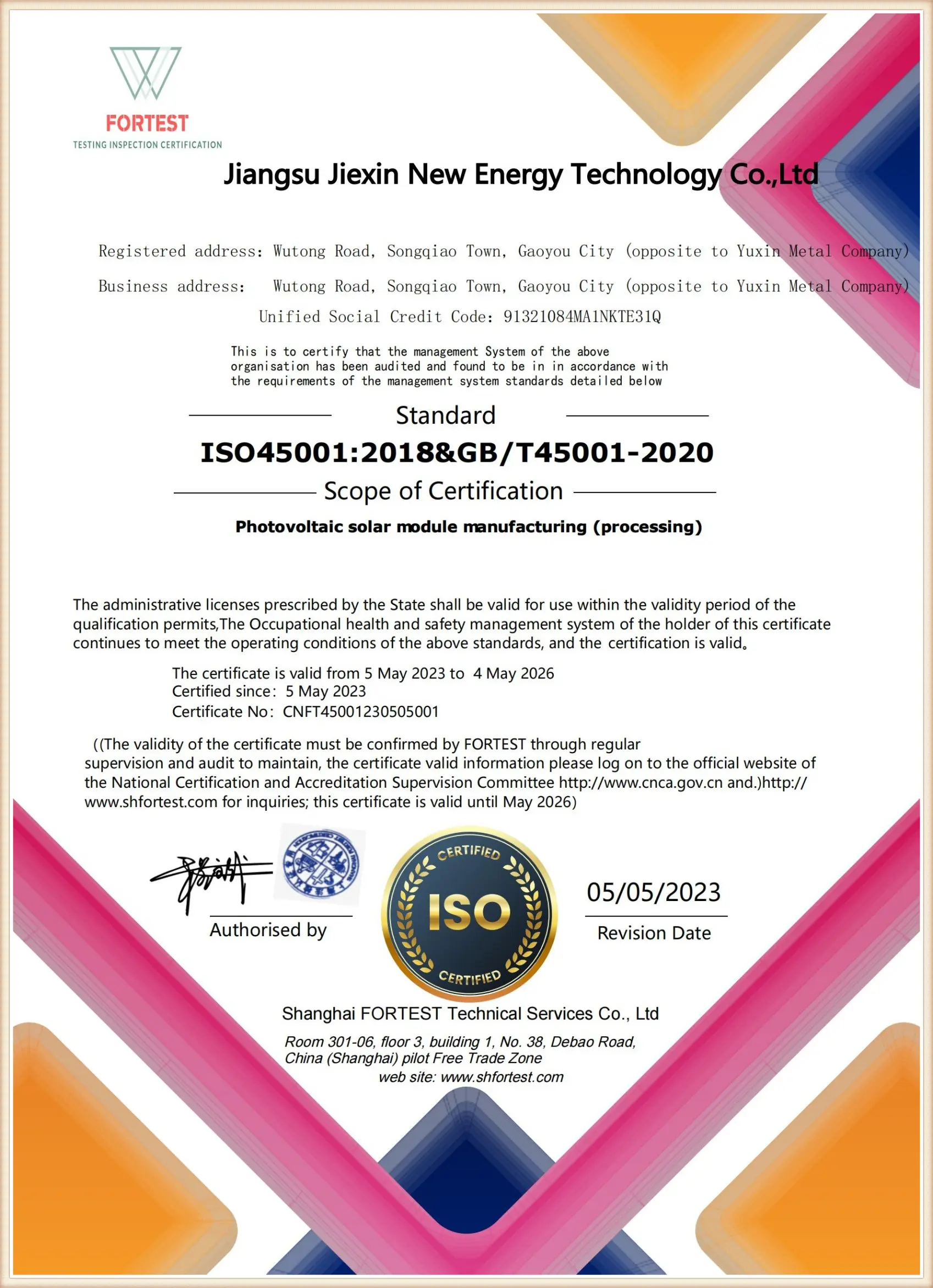
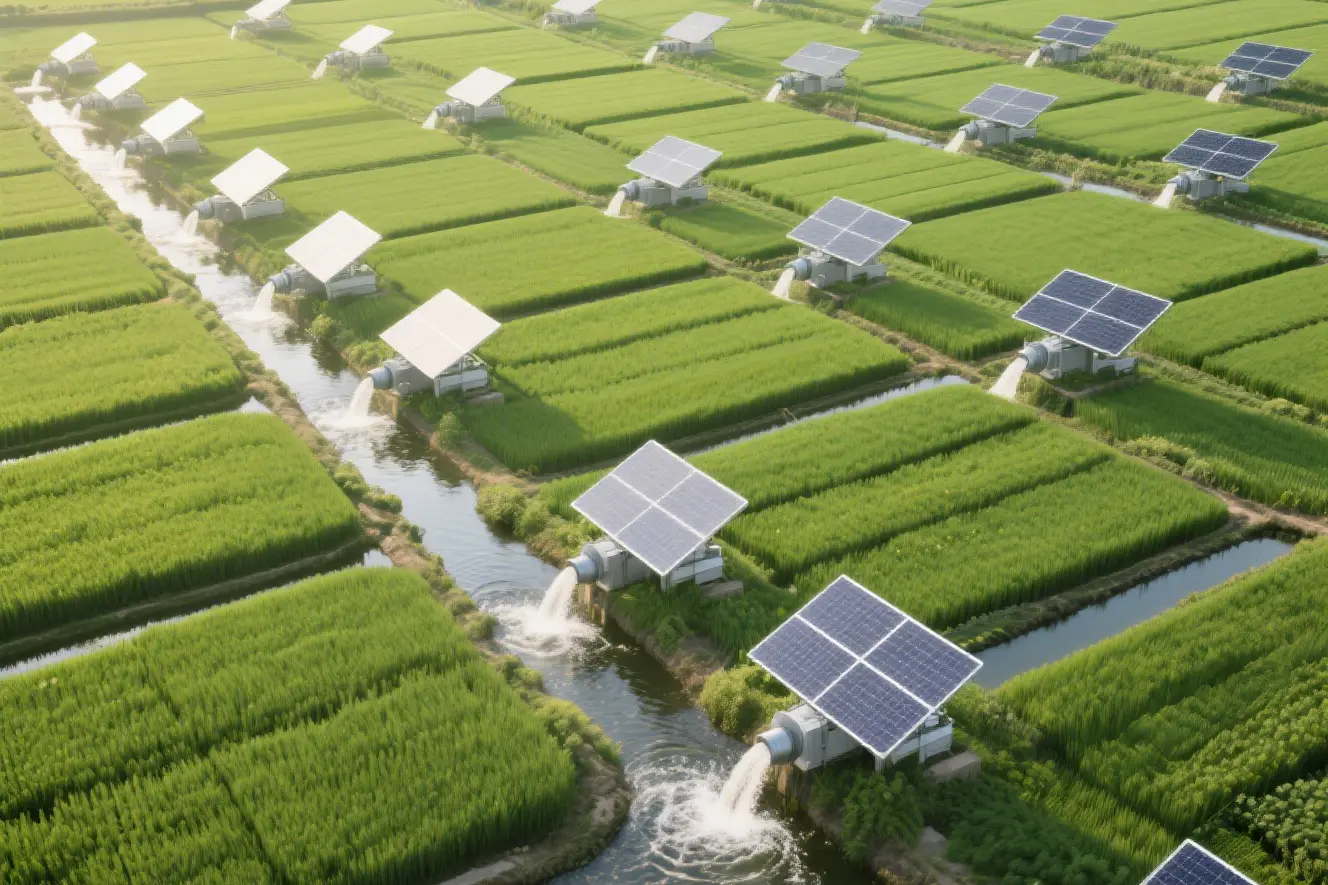
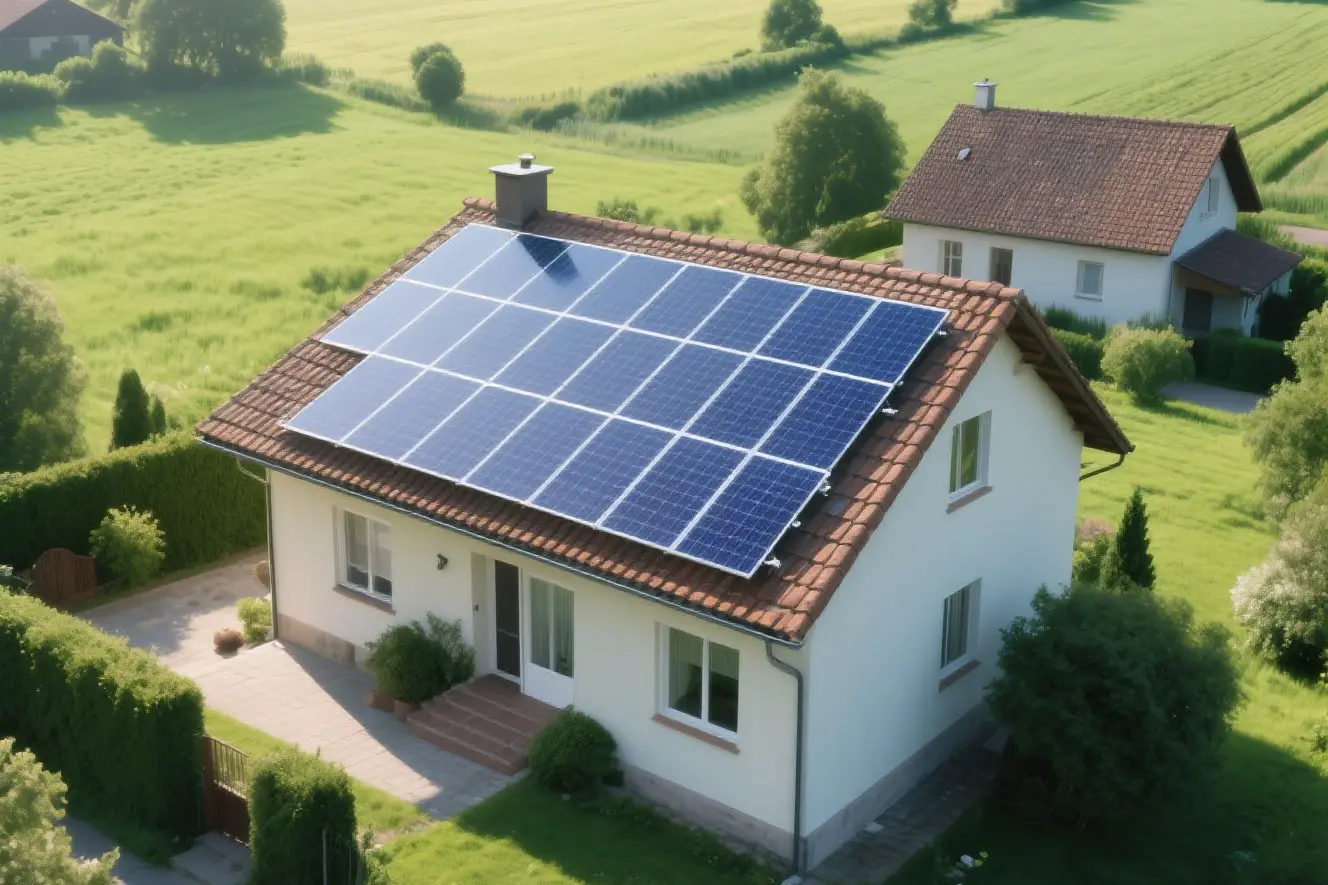
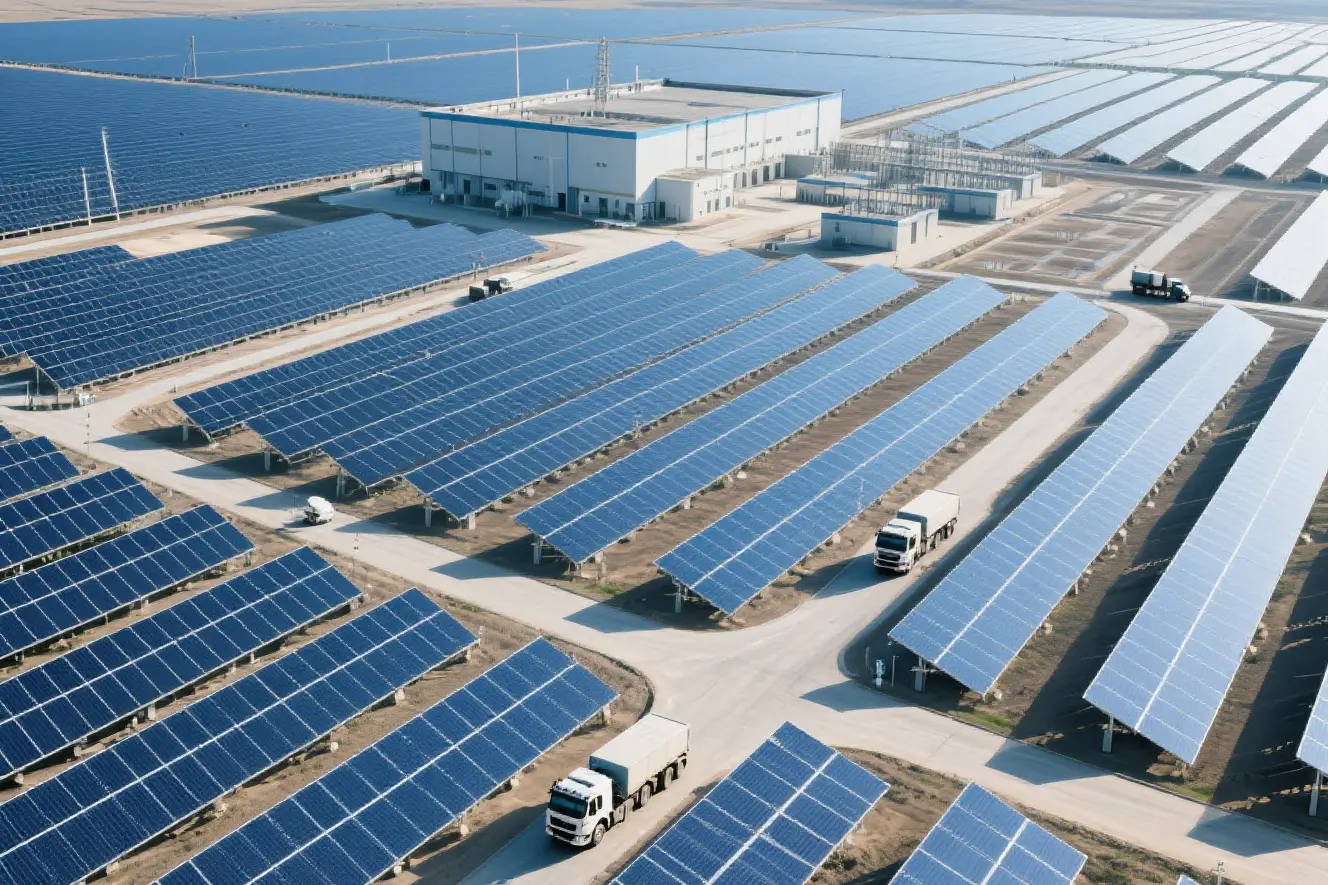
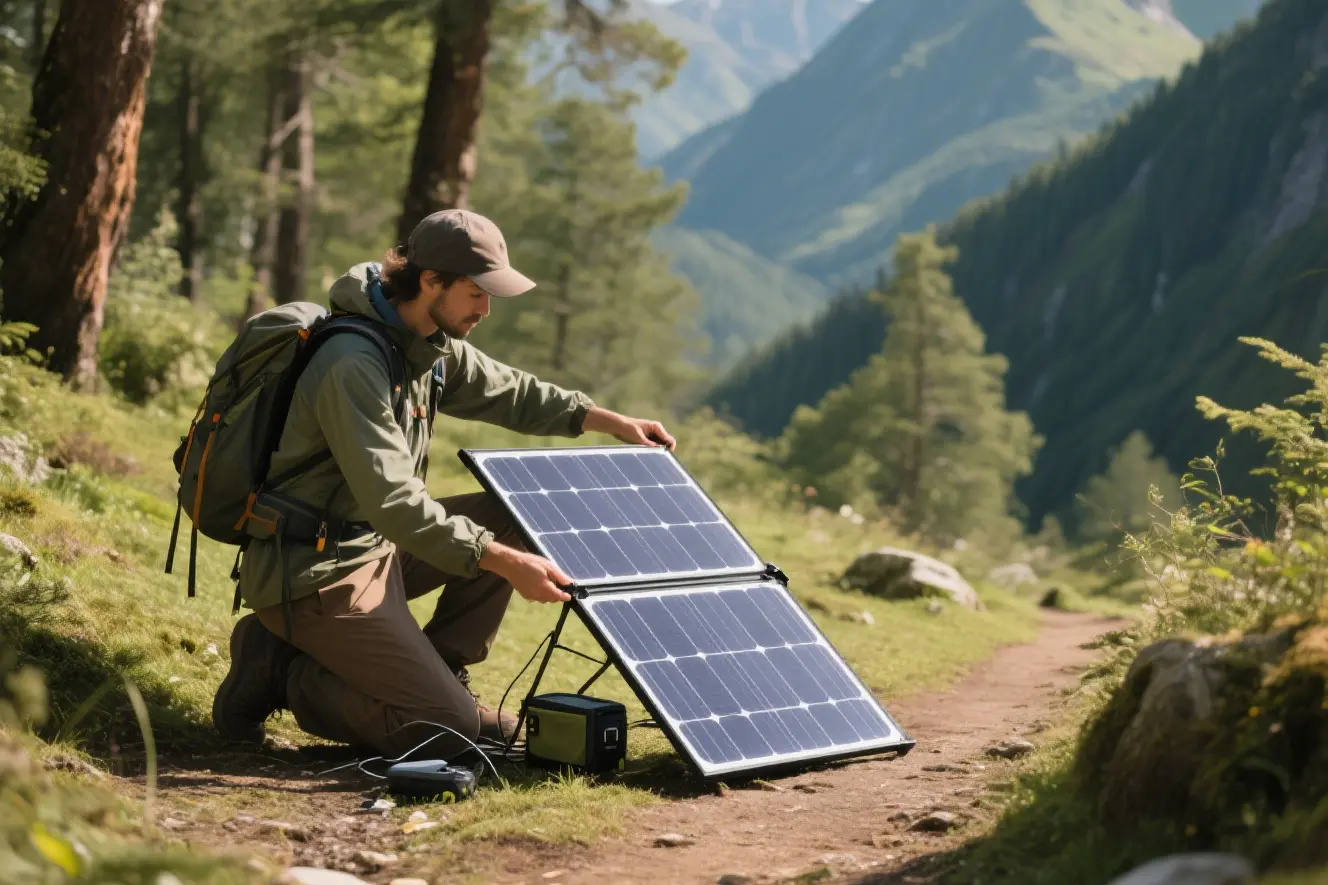
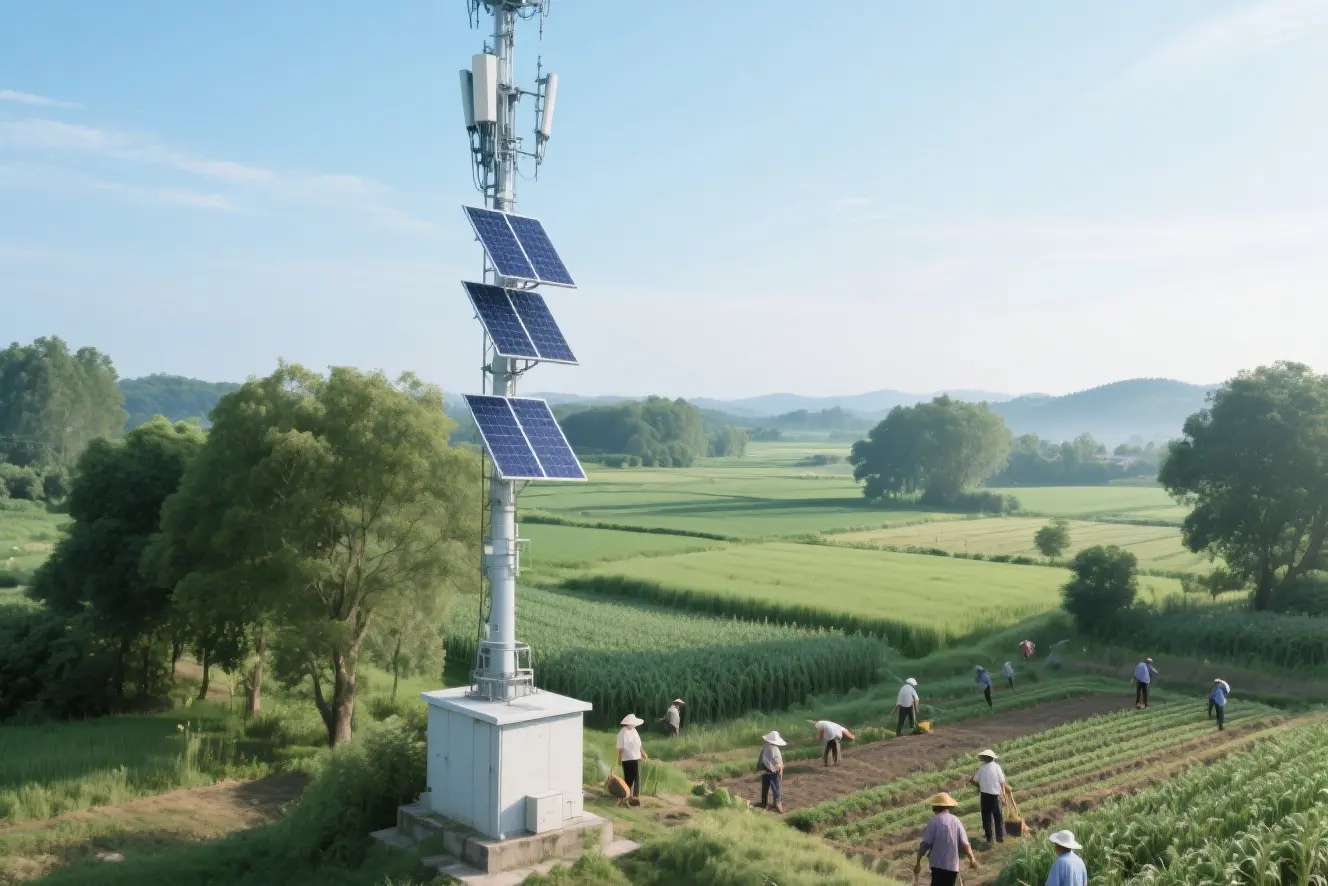
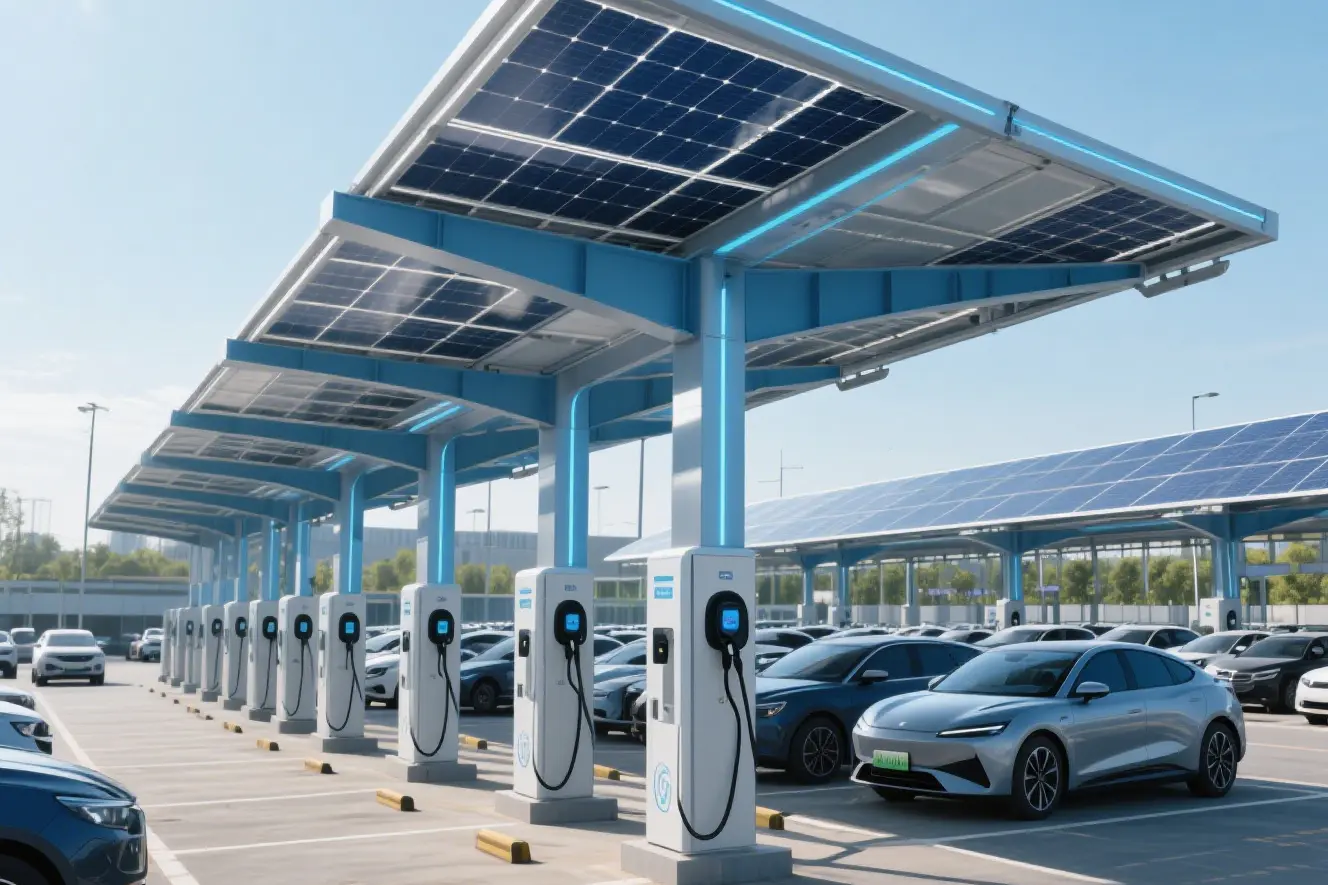
After years of hard work by Yuxin people, it has gradually formed a collectivist and diversified advantage.
Jiangsu Yuxin will keep pace with the society and the times, adhering to the core values of "pragmatic and enterprising, reform and change, people-oriented, and win-win cooperation", creating a future for employees, creating benefits for partners, and creating value for society.
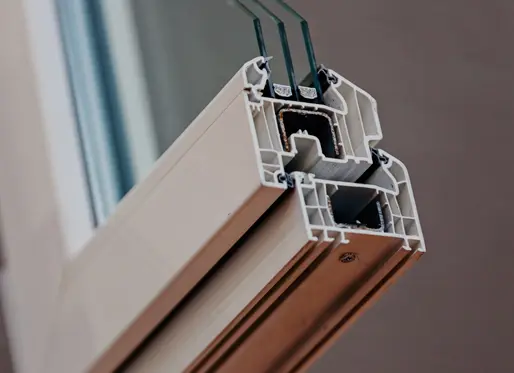
Discover the engineering factors and chemical treatments that allow frames to withstand high mechanical loads and atmospheric corrosion.
View More Details →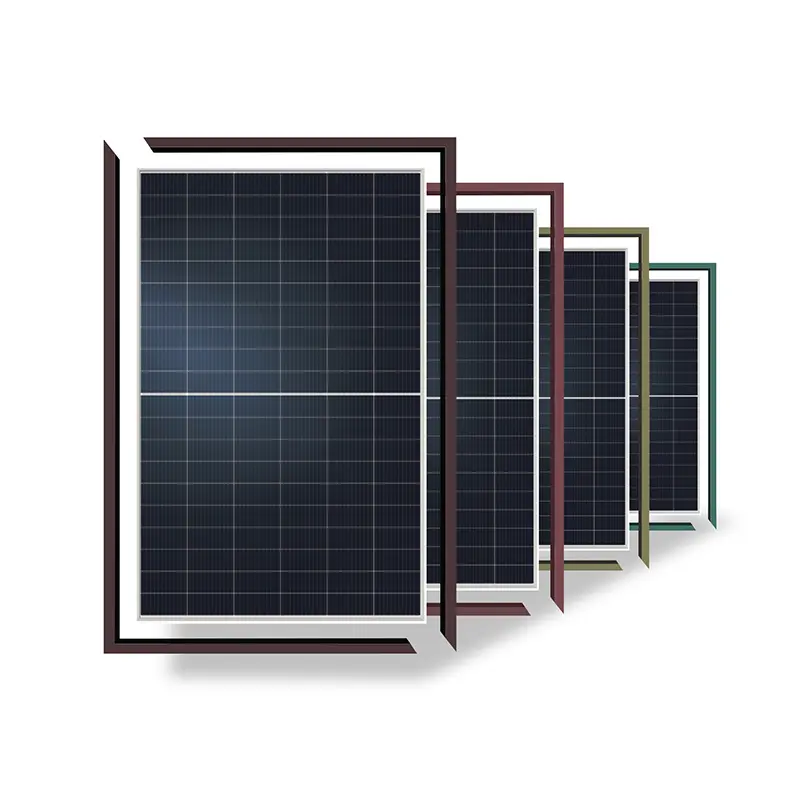
A sourcing guide analyzing certification, QA infrastructure, delivery capabilities, and raw material sourcing.
View More Details →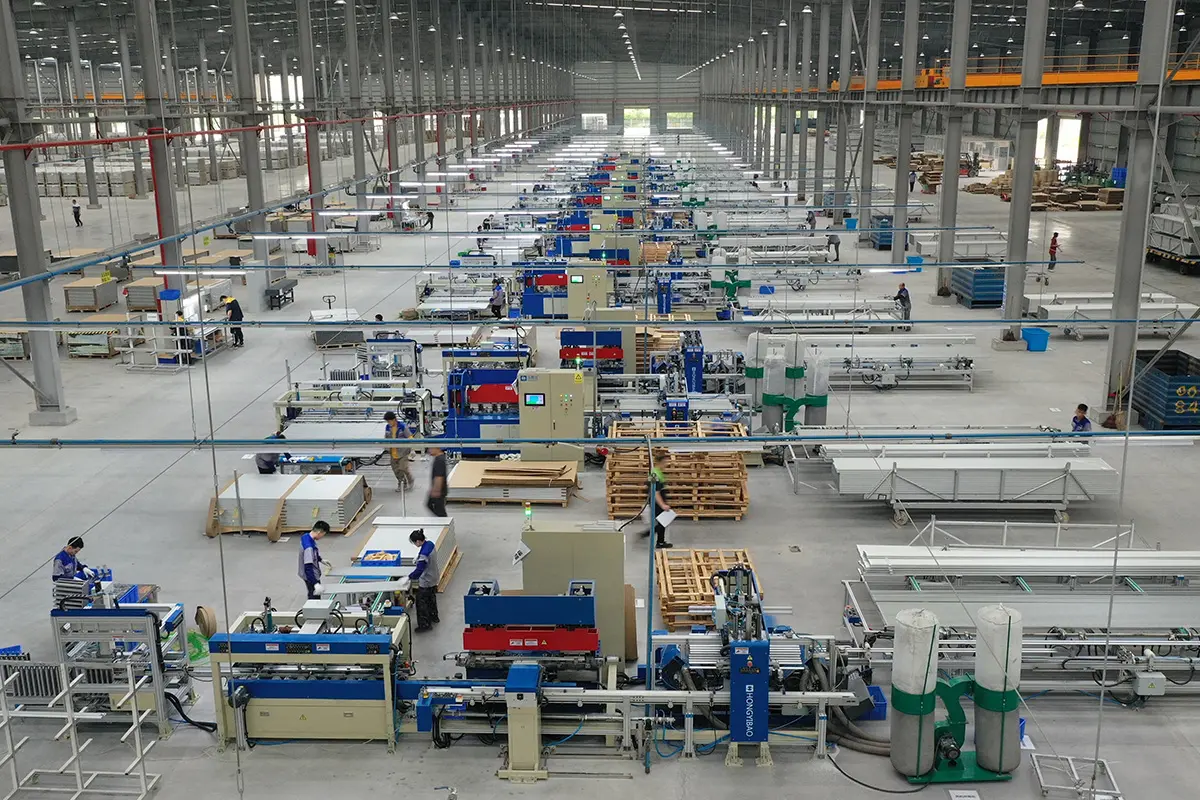
An in-depth breakdown of standard compliance, profiling measurements, and dynamic mechanical testing protocols.
View More Details →