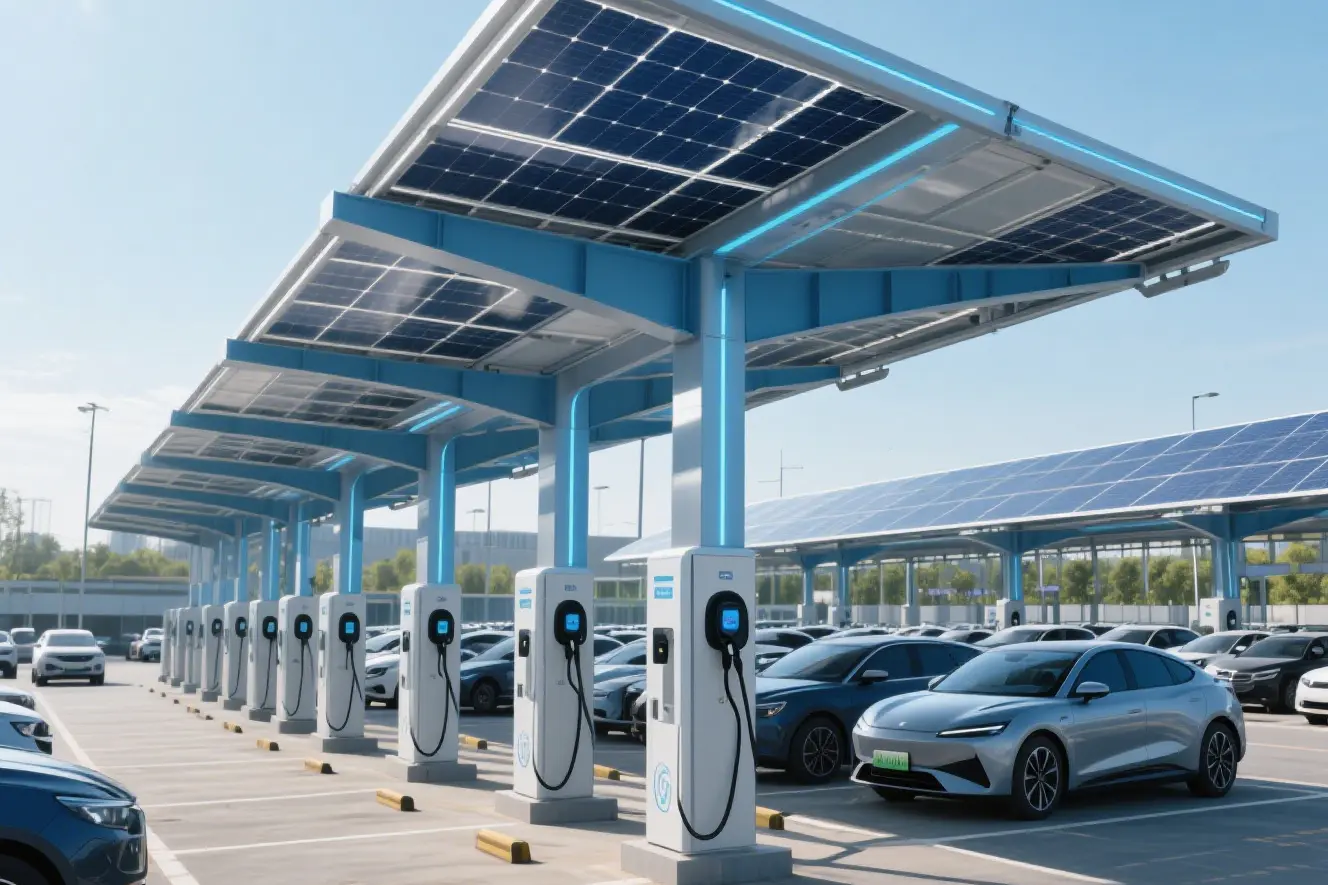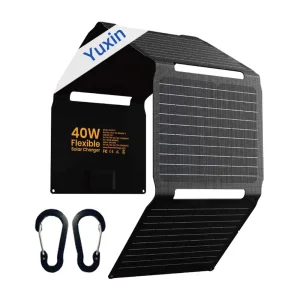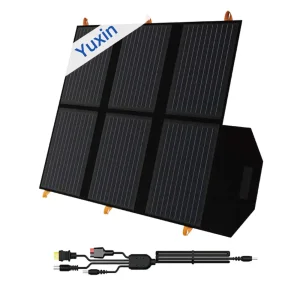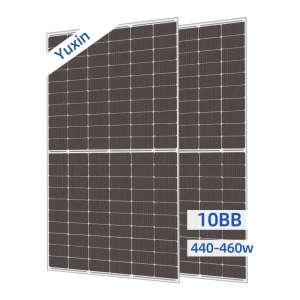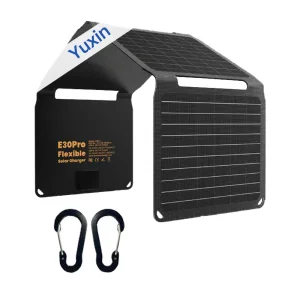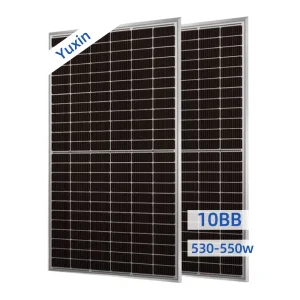
Select premium materials engineered to optimize off-grid portable power setups, mobile systems, and refrigeration configurations.
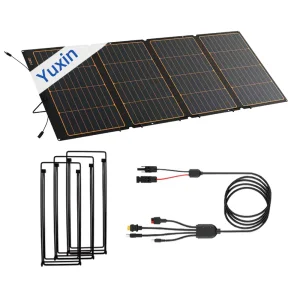
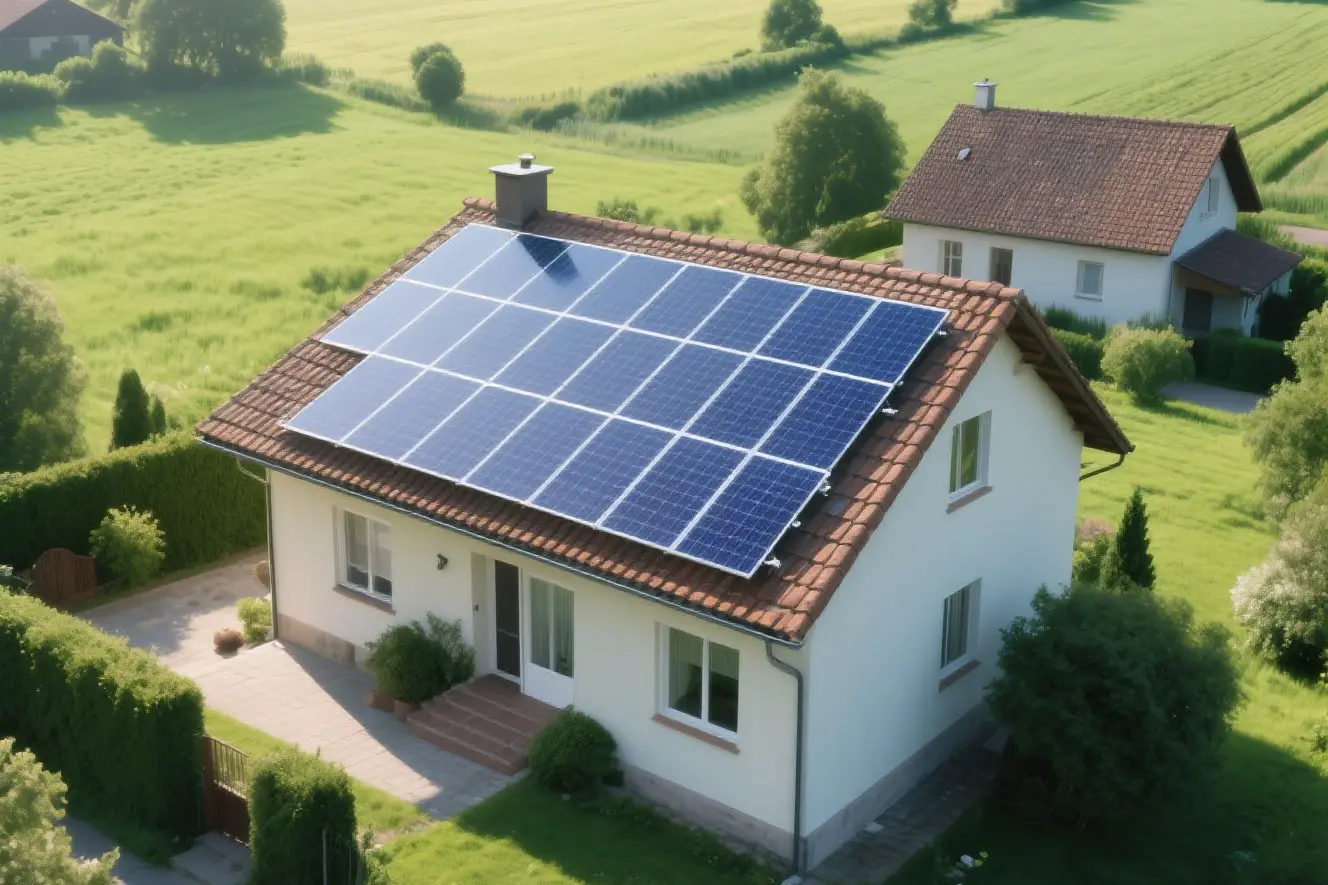
The global transition toward off-grid cold chain solutions and mobile living has dramatically increased the demand for highly reliable CE Certified Camping Fridge Solar Setups. In past years, recreational and light industrial off-grid operations relied heavily on fossil fuel generators. These generators present high noise pollution, exhaust issues, and ongoing fuel supply liabilities. Modern fleet operators, disaster relief agencies, and adventure-tourism outfits are converting their mobile fleets to self-sustaining photovoltaic structures. Solar-integrated portable refrigeration has emerged as a key pillar in the transport of temperature-sensitive medical supplies, off-grid food distribution, and long-range overlanding transport. High-efficiency monocrystalline solar modules, combined with intelligent Maximum Power Point Tracking (MPPT) regulators and lithium iron phosphate (LiFePO4) storage, deliver a reliable solution that performs even under extreme ambient conditions.
From an industrial perspective, B2B procurement professionals look for systems that mitigate the "Balance of System" (BOS) costs while maximizing solar collection. In regions like Western Europe, North America, and Australia, regulatory compliance remains paramount. Systems that lack formal CE certification expose fleet operators to substantial compliance liability. CE marking guarantees that these solar power kits conform to European Union health, safety, and environmental protection standards. This designation is essential for commercial tenders, military utility contracts, and enterprise-grade outdoor logistics frameworks.
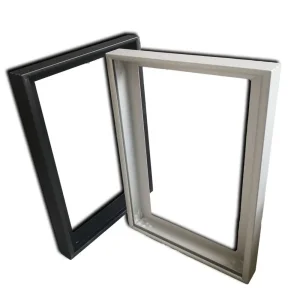
A persistent failure point in rugged mobile solar installations is mechanical degradation from wind shear, vehicle vibration, and environmental corrosion. Premium structural framing is essential. The application of Famous 6063-T5 and 6005-T6 anodized aluminum frames provides the required mechanical yield strength and flexural rigidity. This frame design prevents micro-cracking within the monocrystalline silicon matrix during transport over rough terrain.
Additionally, advanced manufacturing techniques now utilize composite structures, such as polyurethane pultruded composites, to replace traditional metals. This innovation offers weight reduction, improved thermal stability, and excellent electrical insulation. These features are highly beneficial for marine-grade off-grid setups and high-humidity equatorial operations.
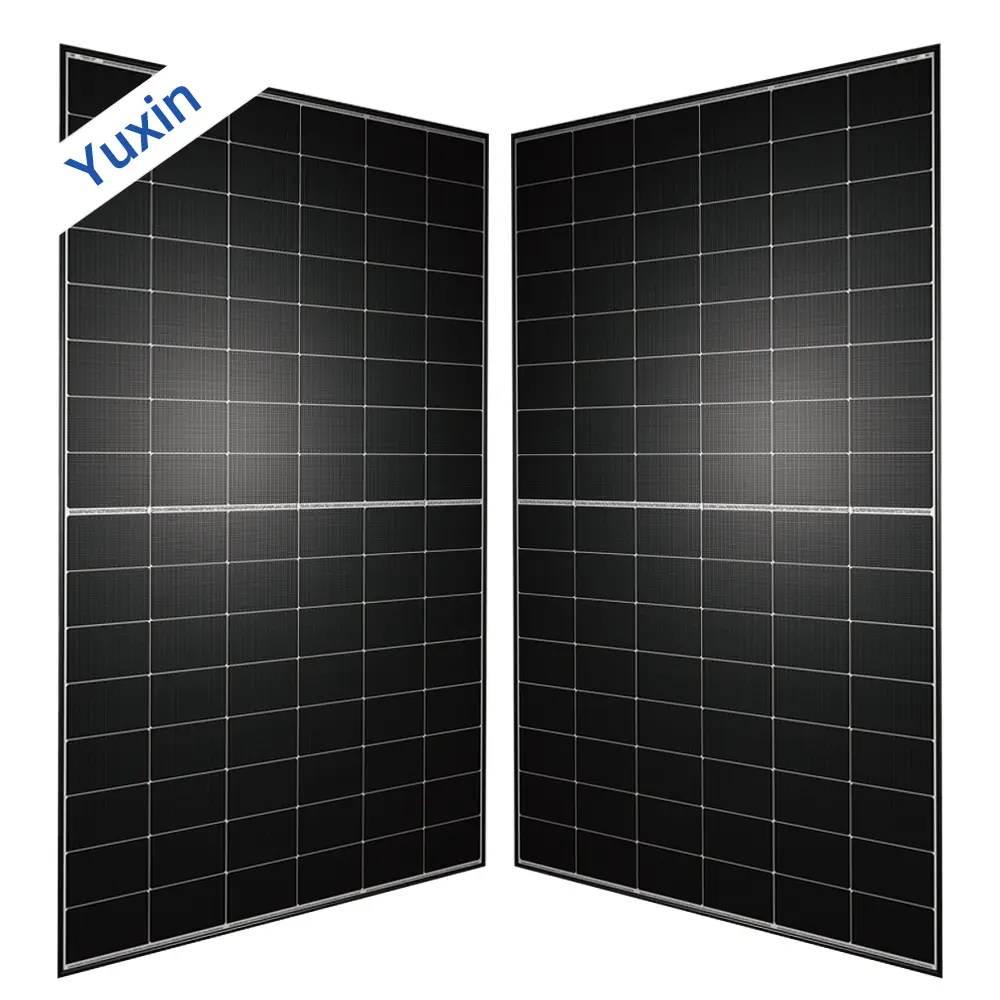
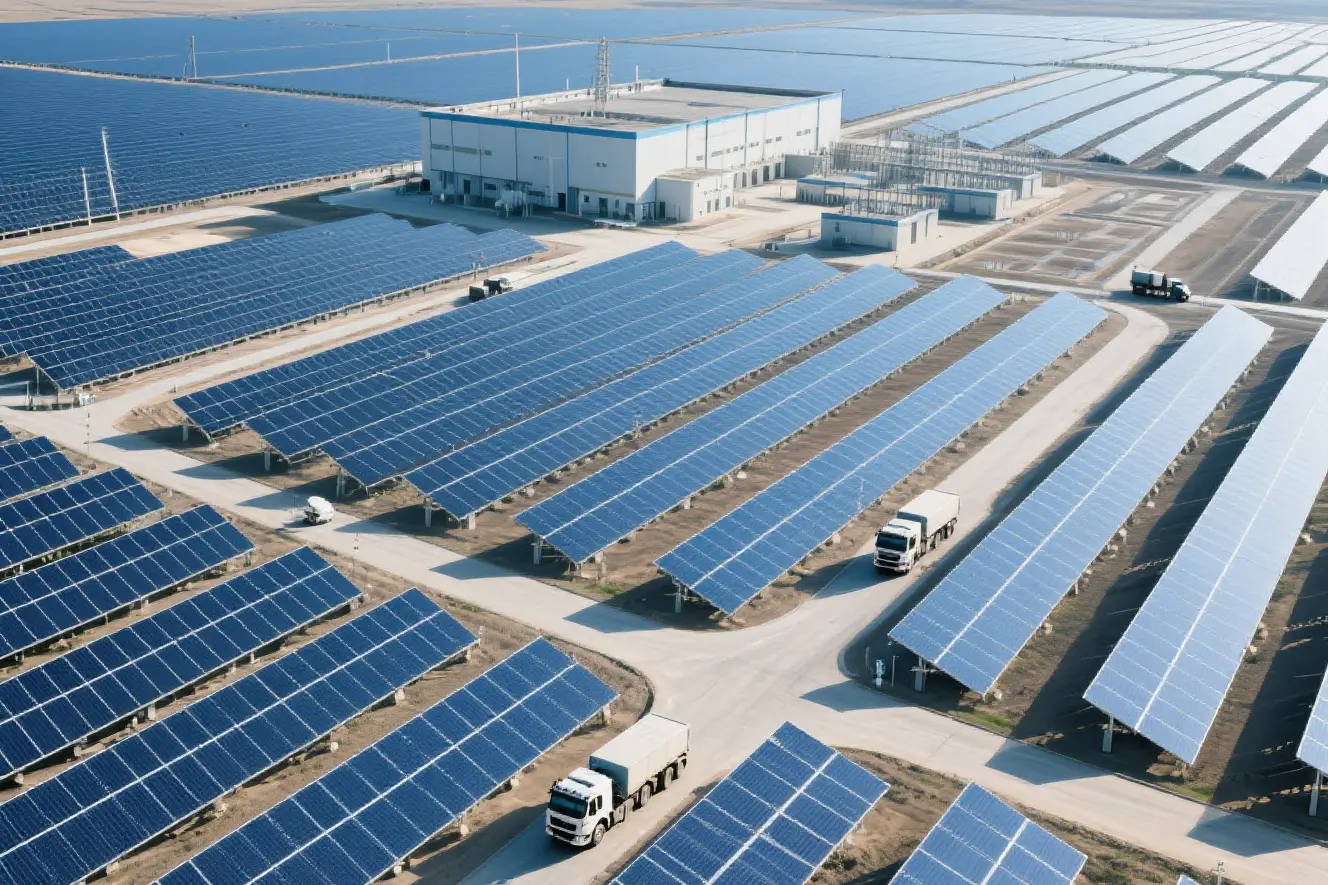
China's PV manufacturing ecosystem offers significant cost and scale benefits for international industrial buyers. By localizing raw silicon refining, ingot drawing, wafer slicing, and cell texturing within concentrated industrial clusters, Chinese manufacturers optimize production efficiency. Factories like those in the Jiangsu region integrate the entire supply chain, lowering the cost per watt for premium N-Type TOPCon and PERC solar setups.
Located in the historic and cultural city of Yangzhou, near the Beijing-Shanghai Expressway, Runyang Yangtze River Bridge, and Ningqi Railway, YUXIN benefits from a strategic geographical location that streamlines international logistics. Established in 2008, the group operates 14 specialized companies, including Jiangsu Yuxin New Energy Technology Co., Ltd. YUXIN is recognized as a National High-tech Enterprise, a Technology-based Enterprise, and one of Gaoyou City's Top 100 Private Enterprises.
The company maintains a strong commitment to quality and technical precision. Over more than a decade of growth, YUXIN has built a highly efficient manufacturing infrastructure, providing specialized industrial materials and structural frames to major solar developers globally.
For industrial buyers, engineering contractors, and government procurement teams, compliance is a core requirement. A CE certified camping fridge solar setup ensures that all component parts—ranging from the high-efficiency monocrystalline solar panels to the charge controller, battery management system (BMS), and DC cables—satisfy the necessary European health, safety, and environmental directives.
Key directives for these systems include:
Explore YUXIN's specialized clean-energy product lines, designed for industrial, residential, and portable applications.
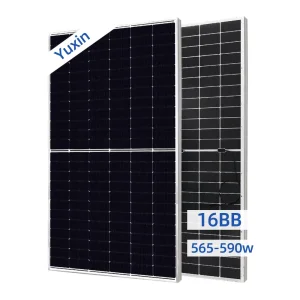
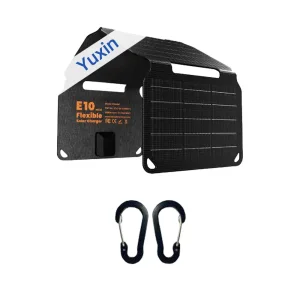
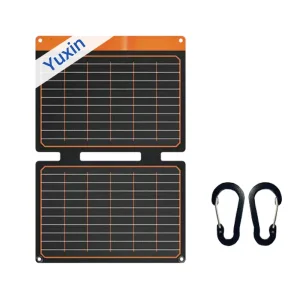
Lightweight design with transparent back panel for easy installation and reduced BOS costs.
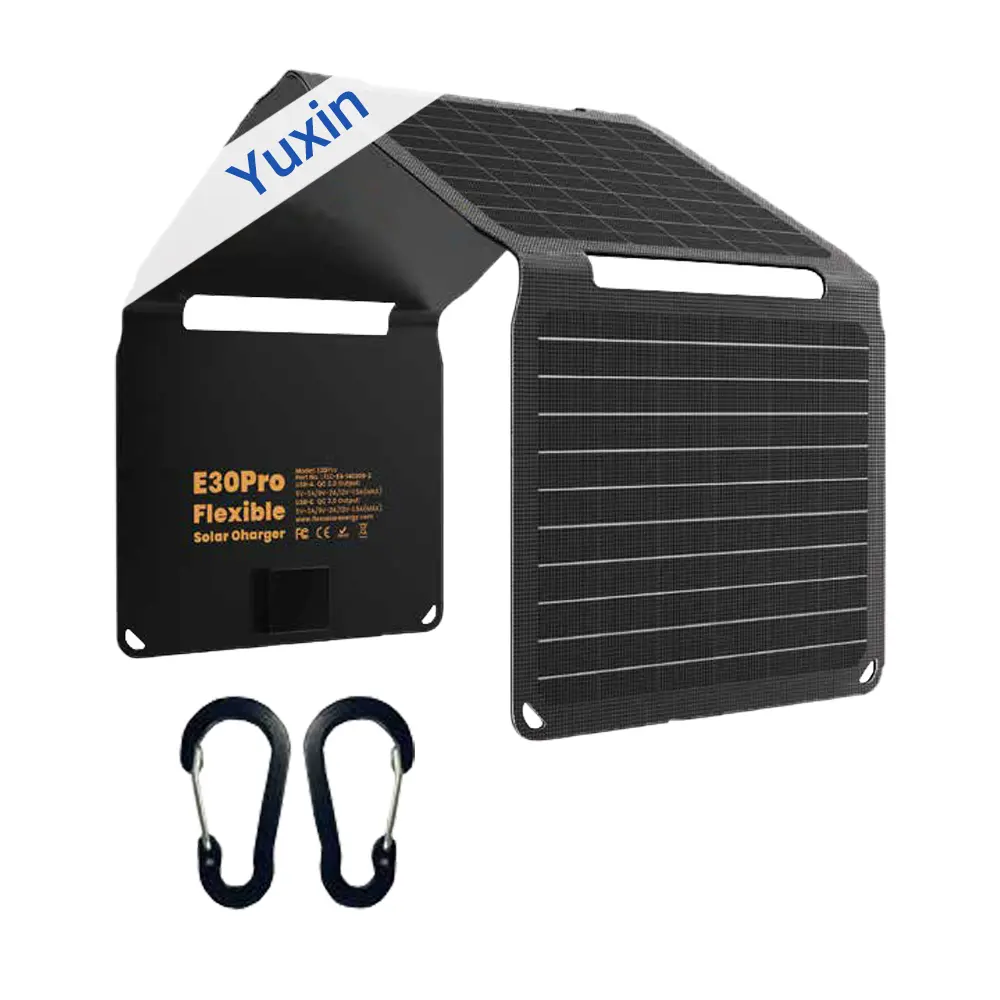
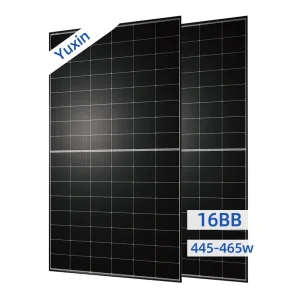
Utilizing advanced monocrystalline silicon cells, it achieves a high energy conversion efficiency of 24%.

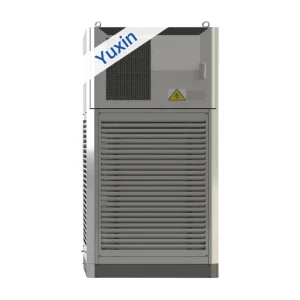
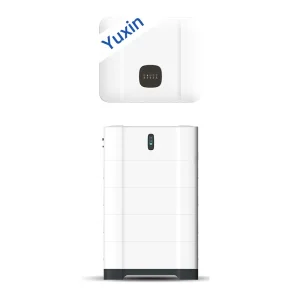
Application modes include grid-connected mode, off-grid mode, and integrated grid-connected/off-grid mode.
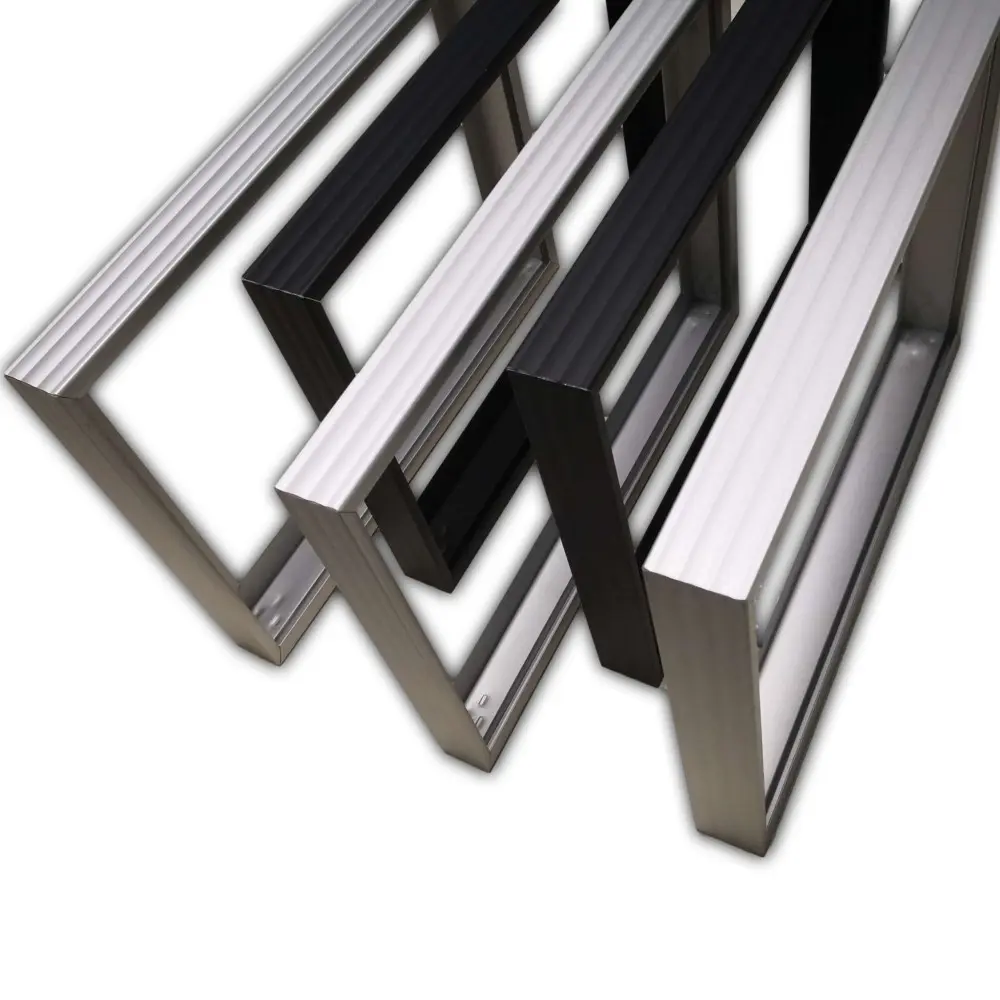
Made of high-quality anodized aluminum, it ensures superior weather resistance and a smooth, long-lasting finish.
Tested and verified by global standardization authorities, meeting strict regulatory, safety, and performance standards.
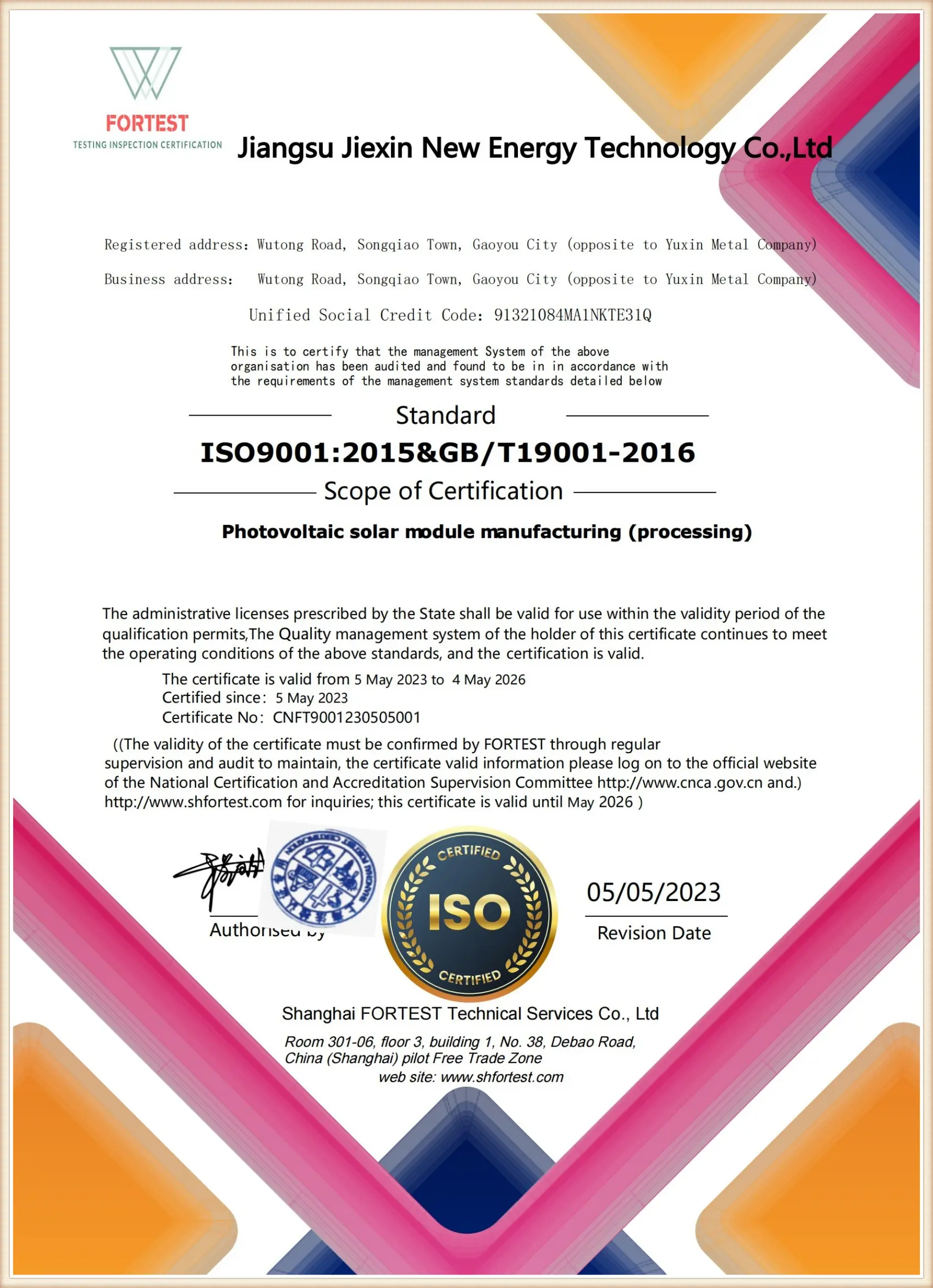
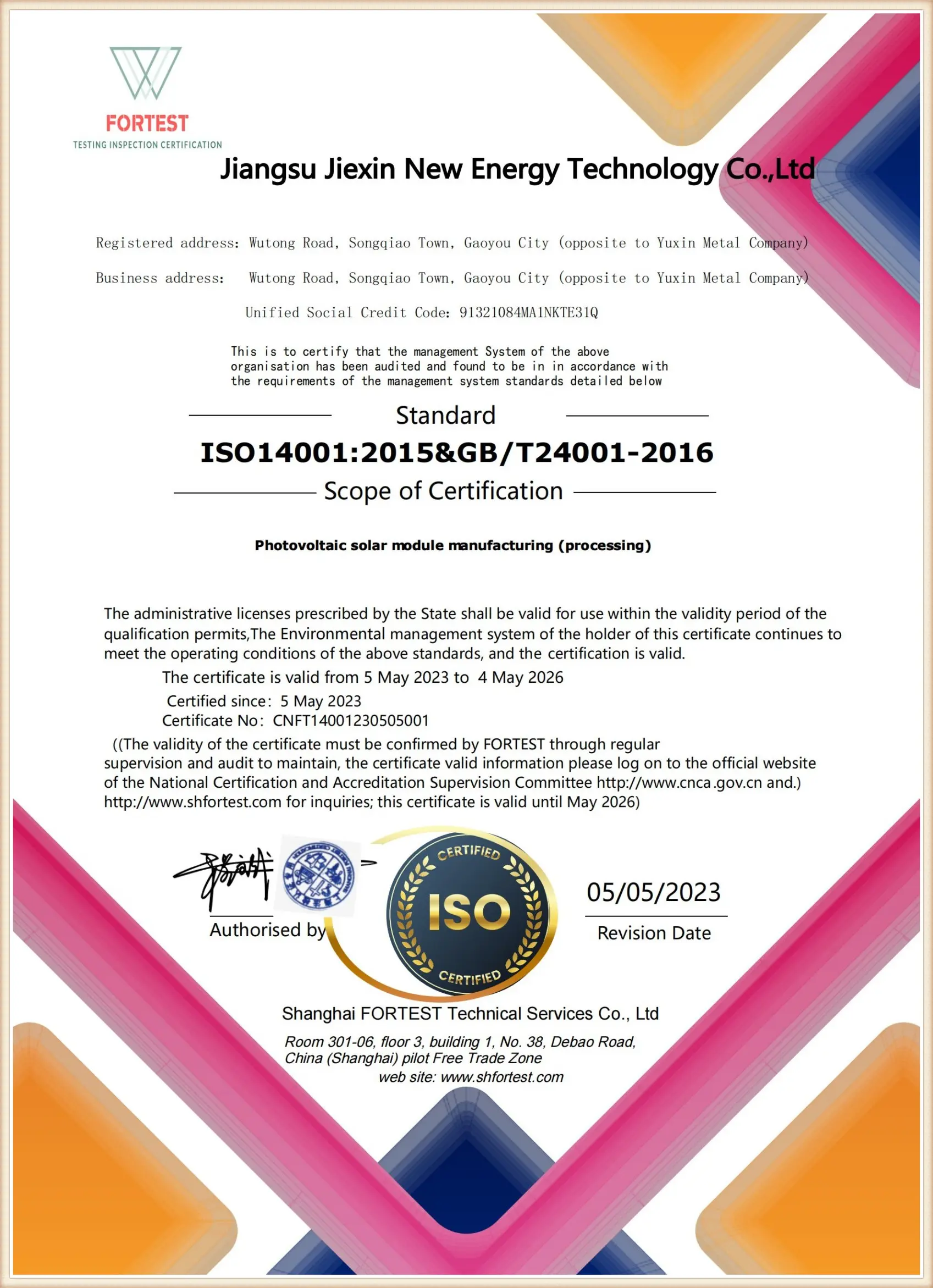
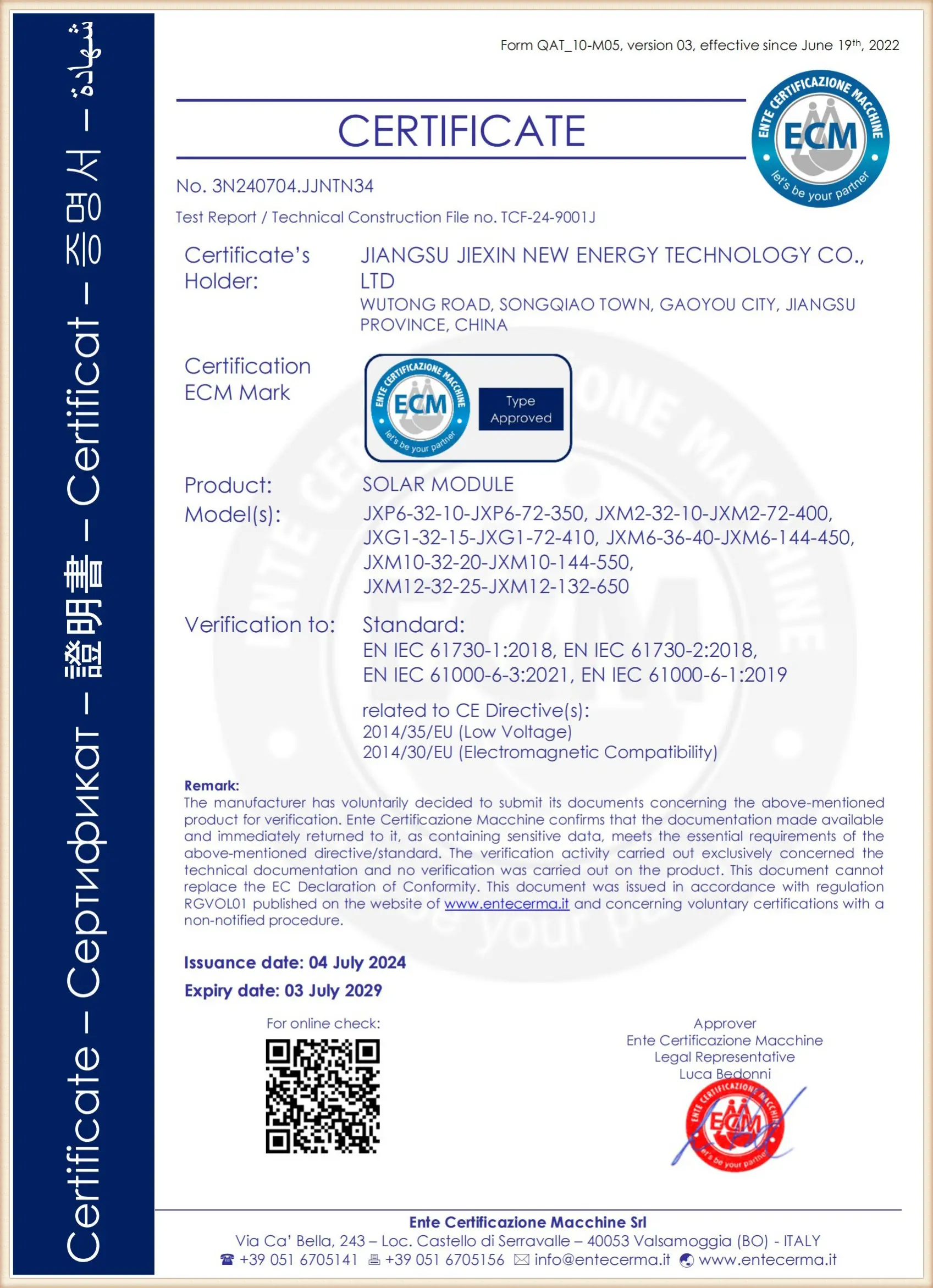
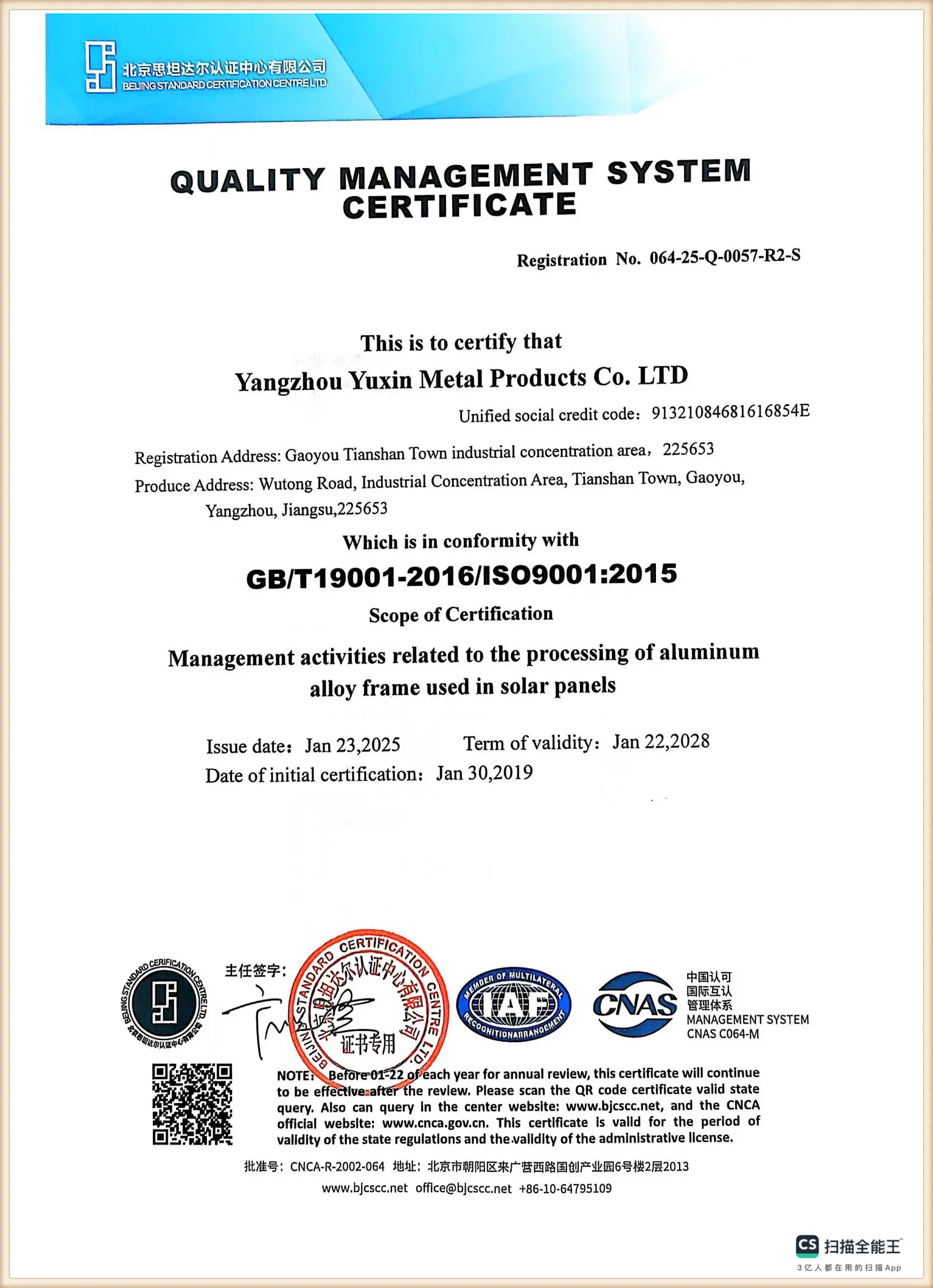
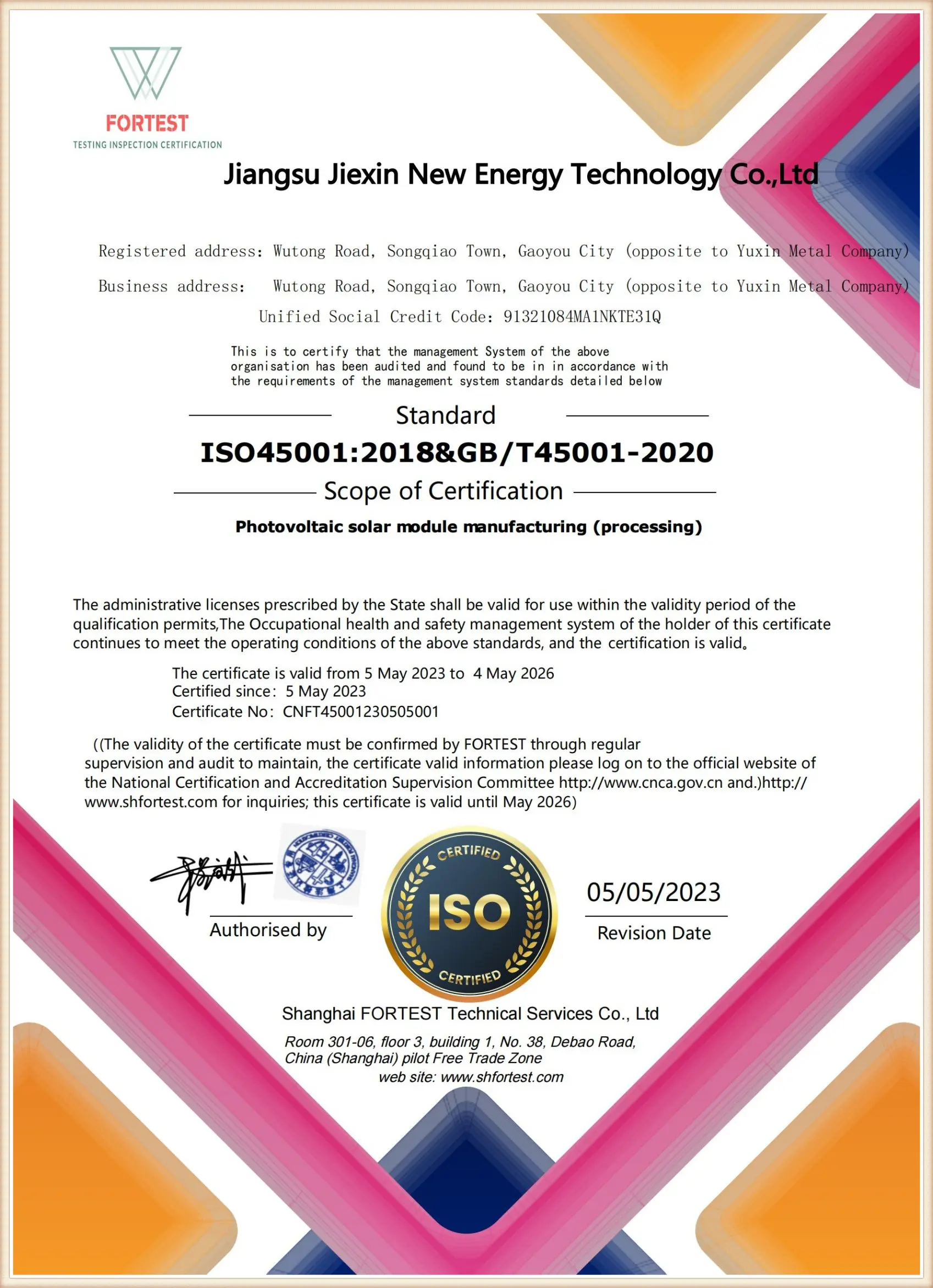
Photovoltaic solutions engineered for reliability across key commercial and industrial sectors.
Over the years, YUXIN has built strong partnerships with leading global enterprises, offering diversified engineering and supply chain advantages.

Read the latest updates on manufacturing standards, supply chain dynamics, and solar framework innovations from YUXIN.
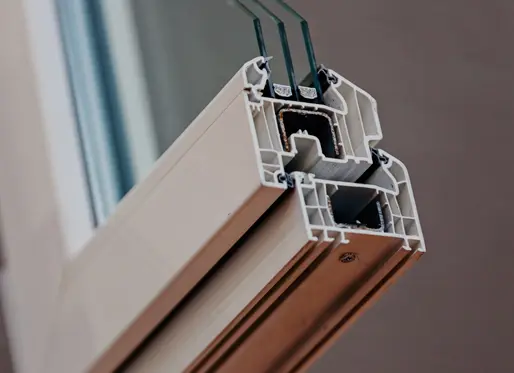
Discover the engineering requirements, material standards, and finishing options essential for long-lasting solar configurations...
View More →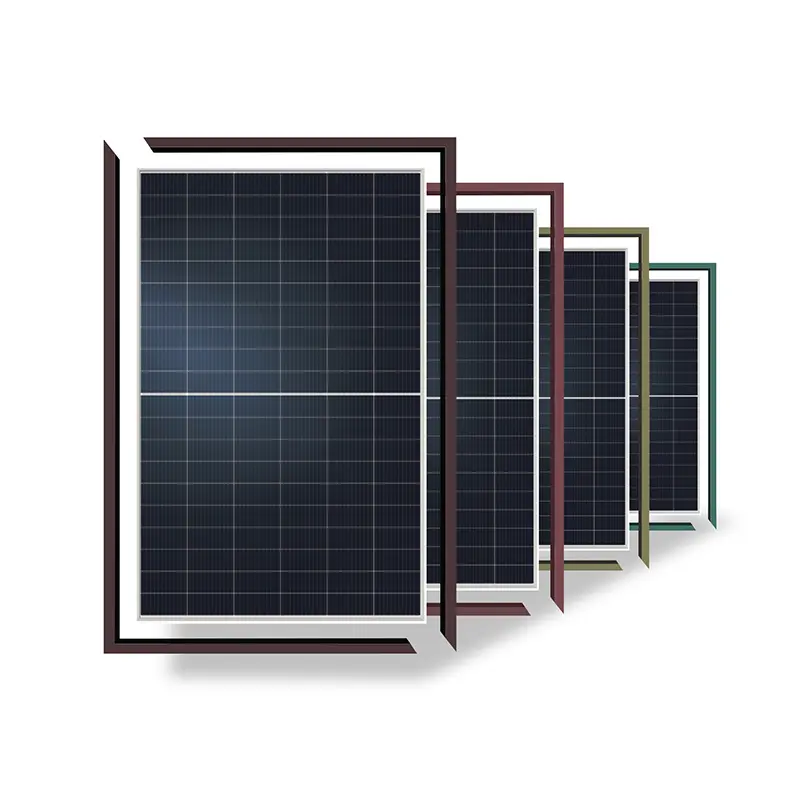
An evaluation guide for global buyers sourcing structural PV frames, focusing on factory capacities and QA standards...
View More →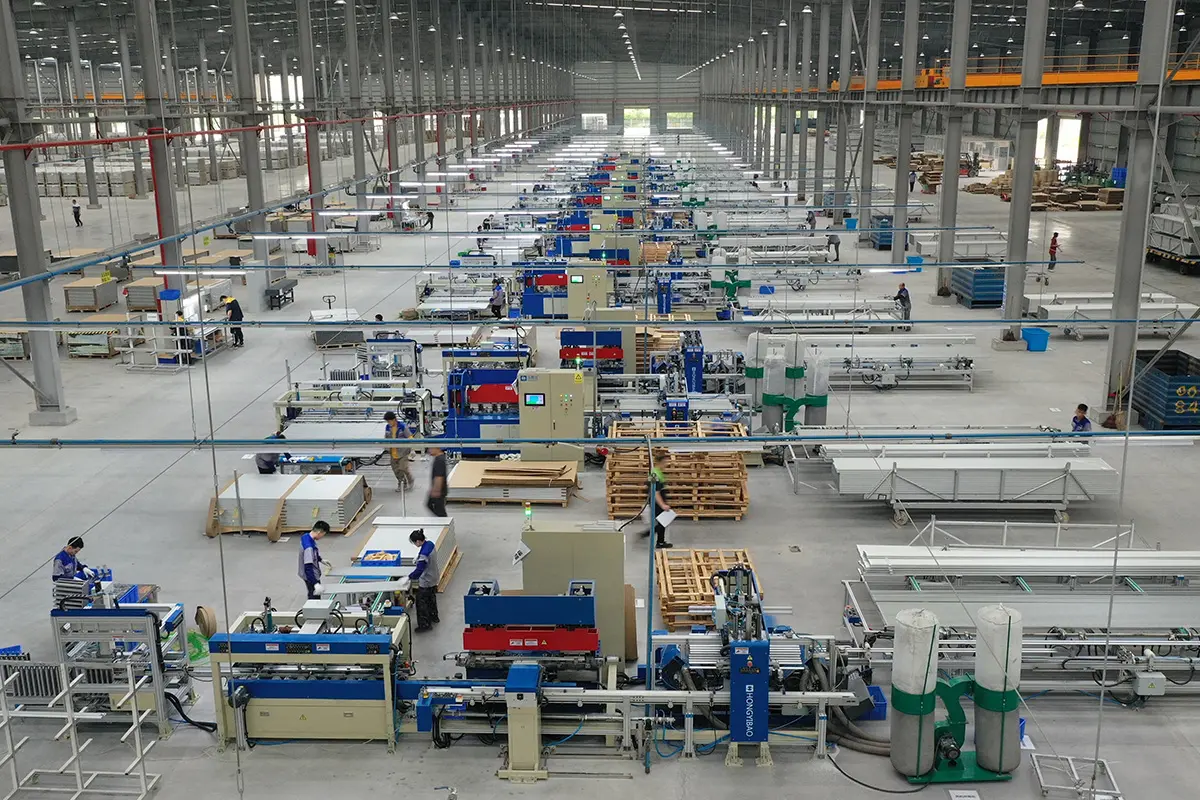
A close look at standard testing procedures, load limits, and tolerances for quality solar installations...
View More →Designing an off-grid solar power source for mobile refrigeration requires balancing generation capacity, battery storage, and daily electrical load. The system must operate reliably without draining the vehicle's starter battery.
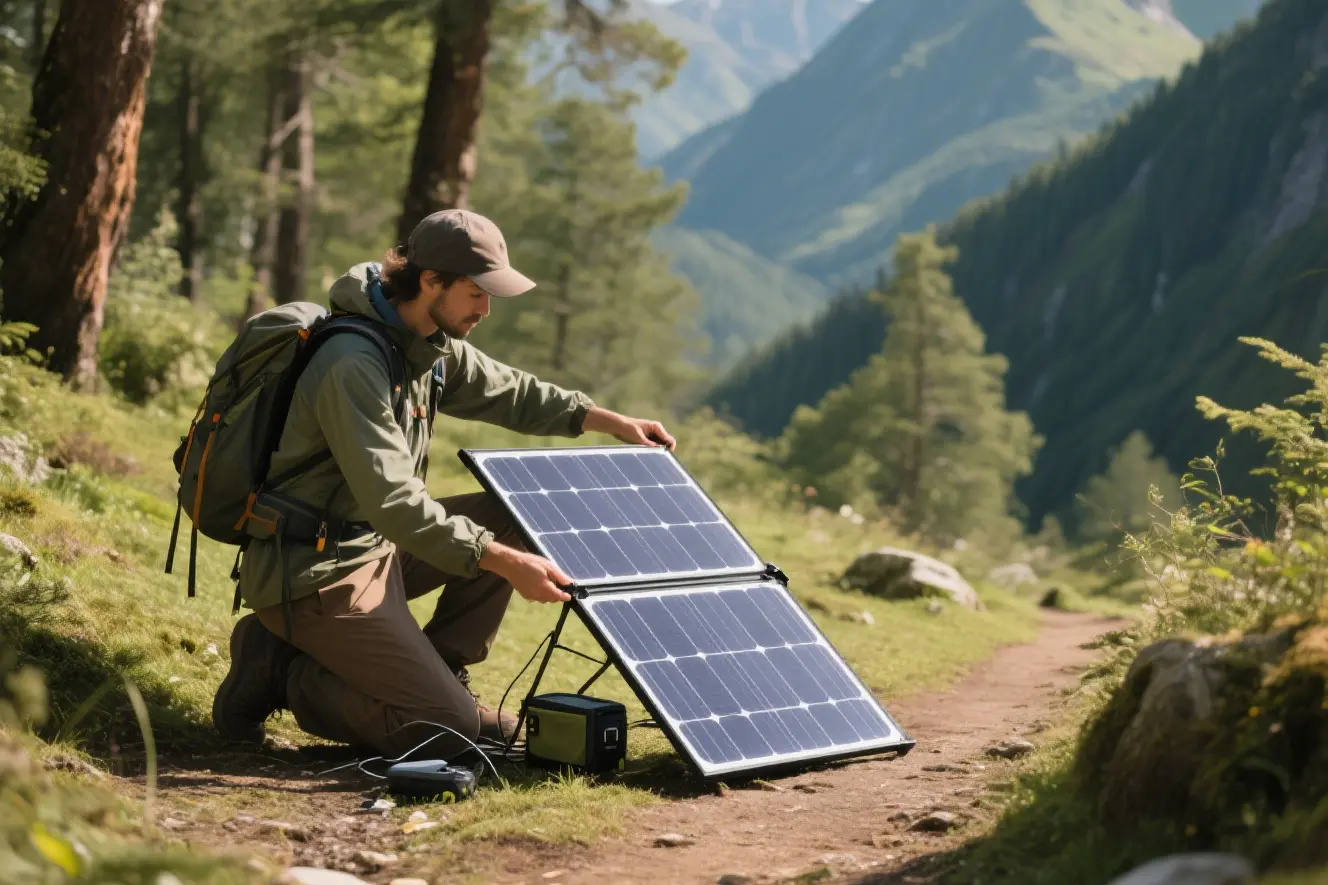
A typical 12V DC compressor-driven camping fridge (such as a 40L to 75L model) consumes between 0.8 and 2.2 Amp-hours (Ah) per hour under normal operating conditions. This equates to approximately 10A to 26A per day at 12V, translating to 120Wh to 312Wh of daily electrical energy consumption. Ambient temperature, how often the door is opened, and insulation quality all affect actual draw. In high ambient heat (exceeding 35°C), energy demands can double. To ensure continuous operation, the solar array must be sized to replace this energy within a typical 4-hour window of peak sunlight.
Using N-Type half-cell monocrystalline dual-glass modules offers significant performance benefits for mobile applications. Monocrystalline cells feature a uniform crystalline structure, enabling conversion efficiencies up to 24%. Half-cut cell designs reduce internal electrical resistance and minimize power losses from shading. Dual-glass encapsulation provides structural protection, safeguarding cells against wind pressure and mechanical stress.
A high-quality Maximum Power Point Tracking (MPPT) solar charge controller is essential for off-grid refrigeration. Unlike basic Pulse Width Modulation (PWM) regulators, MPPT controllers actively track and adjust the input voltage to extract maximum power from the solar panel, improving system efficiency by up to 30%. This is particularly beneficial in overcast conditions or during early morning and late afternoon hours.
B2B procurement professionals must weigh system performance against total cost of ownership. Sourcing directly from OEM factories in China allows buyers to customize component specifications and reduce middleman markups. For bulk orders, custom branding, specific cable setups, and customized mounting brackets can be integrated directly during production, simplifying final assembly.
Technical answers to help buyers evaluate, specify, and procure commercial-grade mobile solar setups.
Browse our complete selection of certified hardware, structural framing, and portable solar modules for global distribution.