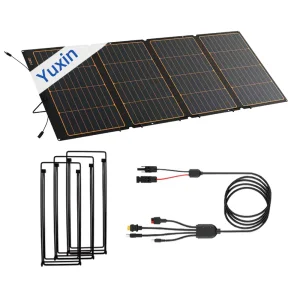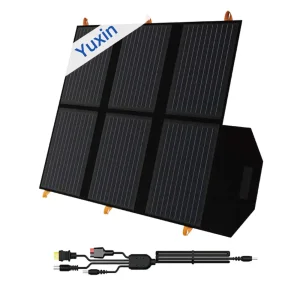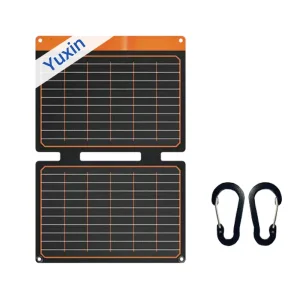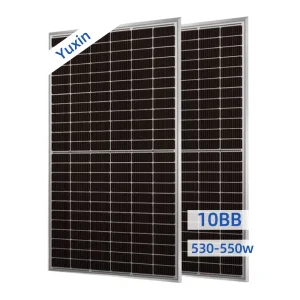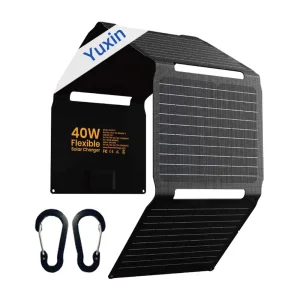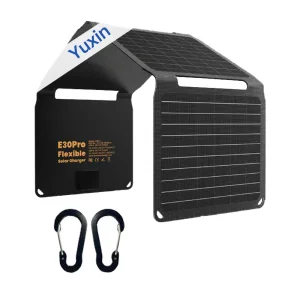
The global transition toward decentralized clean energy infrastructure has catalyzed a major paradigm shift. No longer limited to casual outdoor recreation, portable solar power systems and matched high-capacity battery units have emerged as vital assets for emergency response, field telecommunications, distributed agricultural hubs, and mobile defense units. In this rapidly expanding macro-environment, safety margins must be strictly maintained under intense mechanical and thermal stresses.
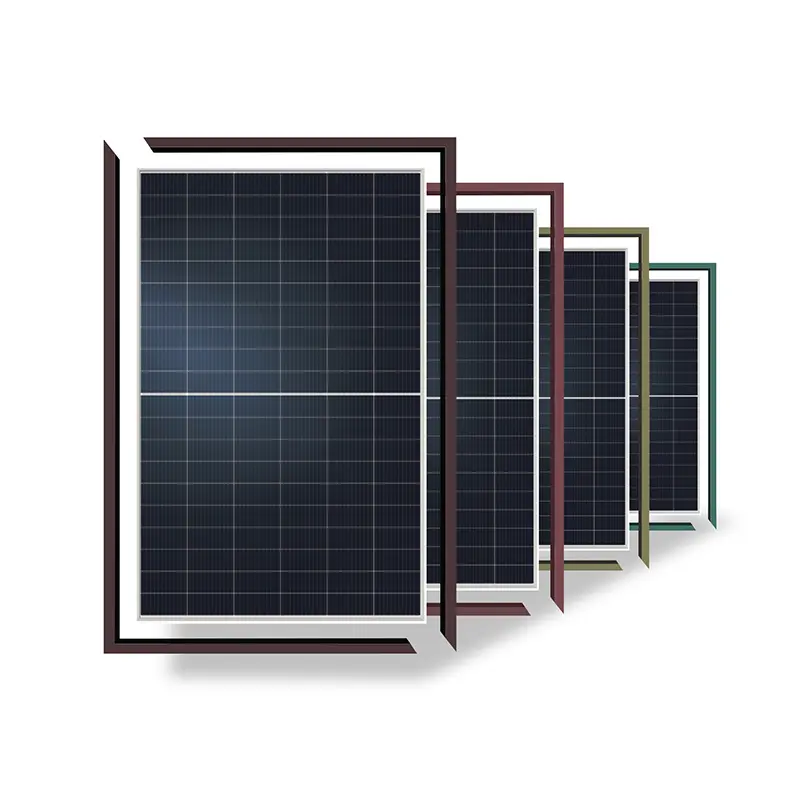
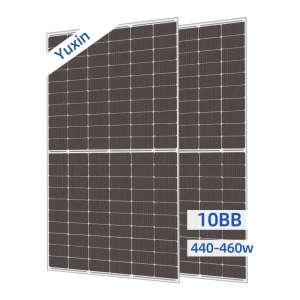
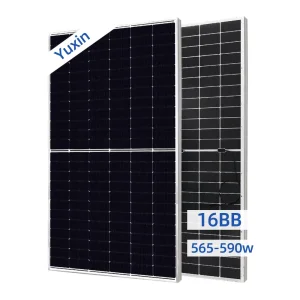
As global power grids face increasing stress from climate volatility, industrial buyers require rugged, lightweight microgrids. Advanced monocrystalline solar panels configured with half-cell architectures (e.g., 10BB and 16BB) are critical to capturing diffuse solar irradiance. When combined with dynamic Battery Management Systems (BMS), these configurations guarantee high efficiency, prolonged cycle lives, and minimal system balancing (BOS) costs. By implementing integrated frame solutions—utilizing both anodized aluminum profiles and sustainable polyurethane composites—manufacturers ensure that heavy-duty PV arrays withstand wind load demands up to 2400 Pa and snow loads of 5400 Pa.
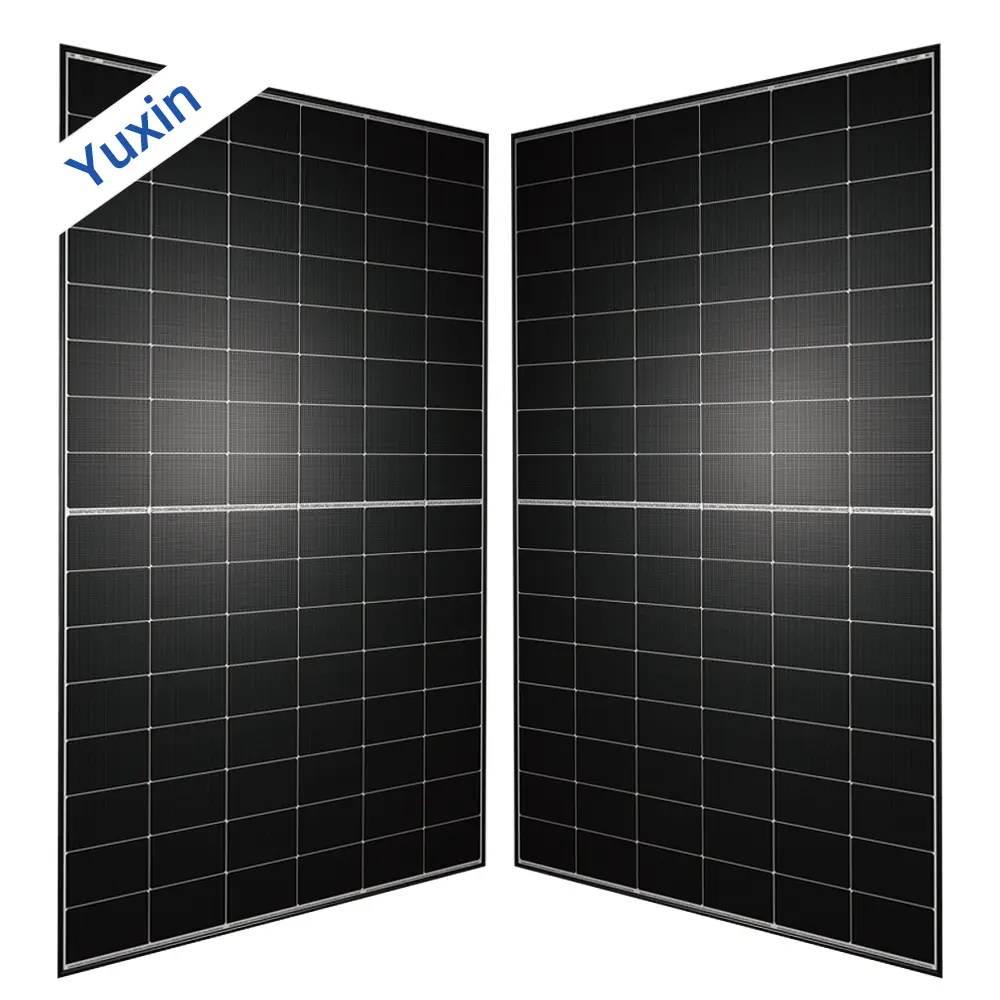
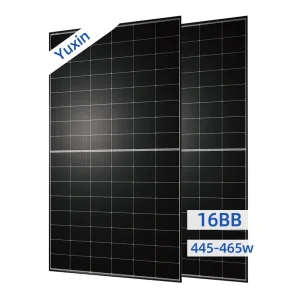
Lightweight design with transparent back panel for easy installation and reduced BOS costs.
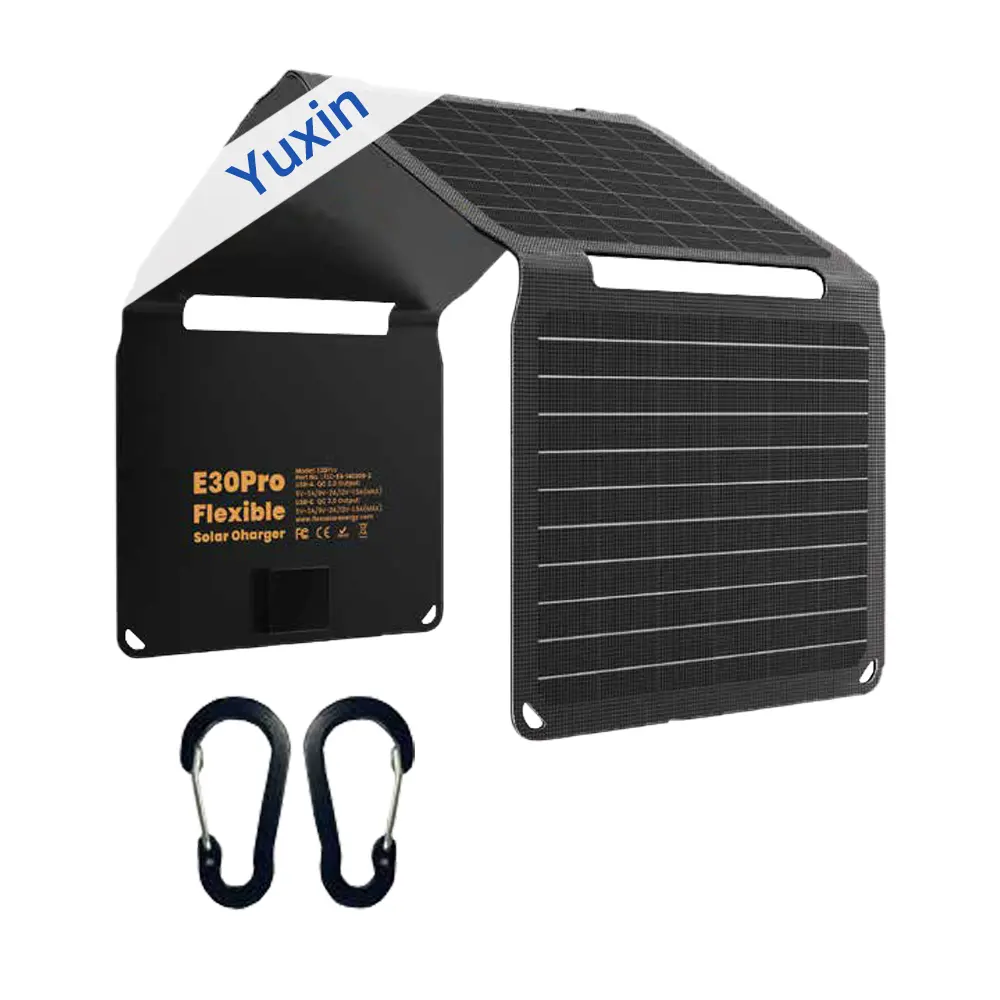
Utilizing advanced monocrystalline silicon cells, it achieves a high energy conversion efficiency of 24%.
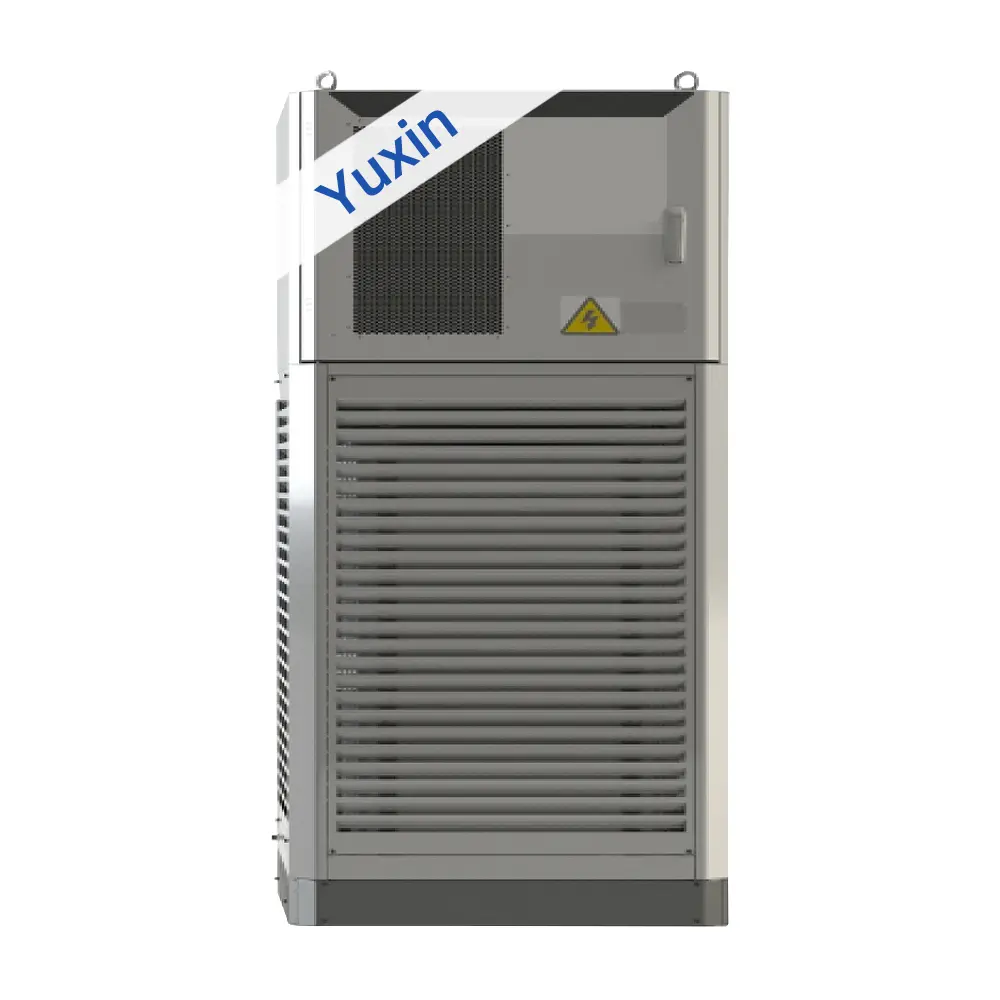
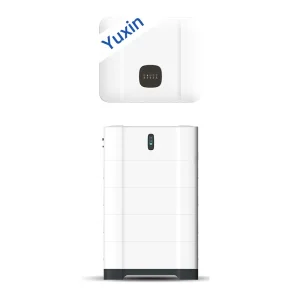
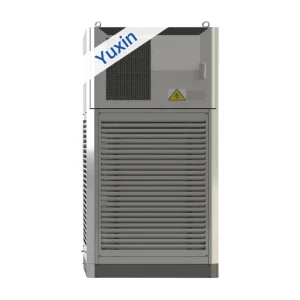
Application modes include grid-connected mode, off-grid mode, and integrated grid-connected/off-grid mode.
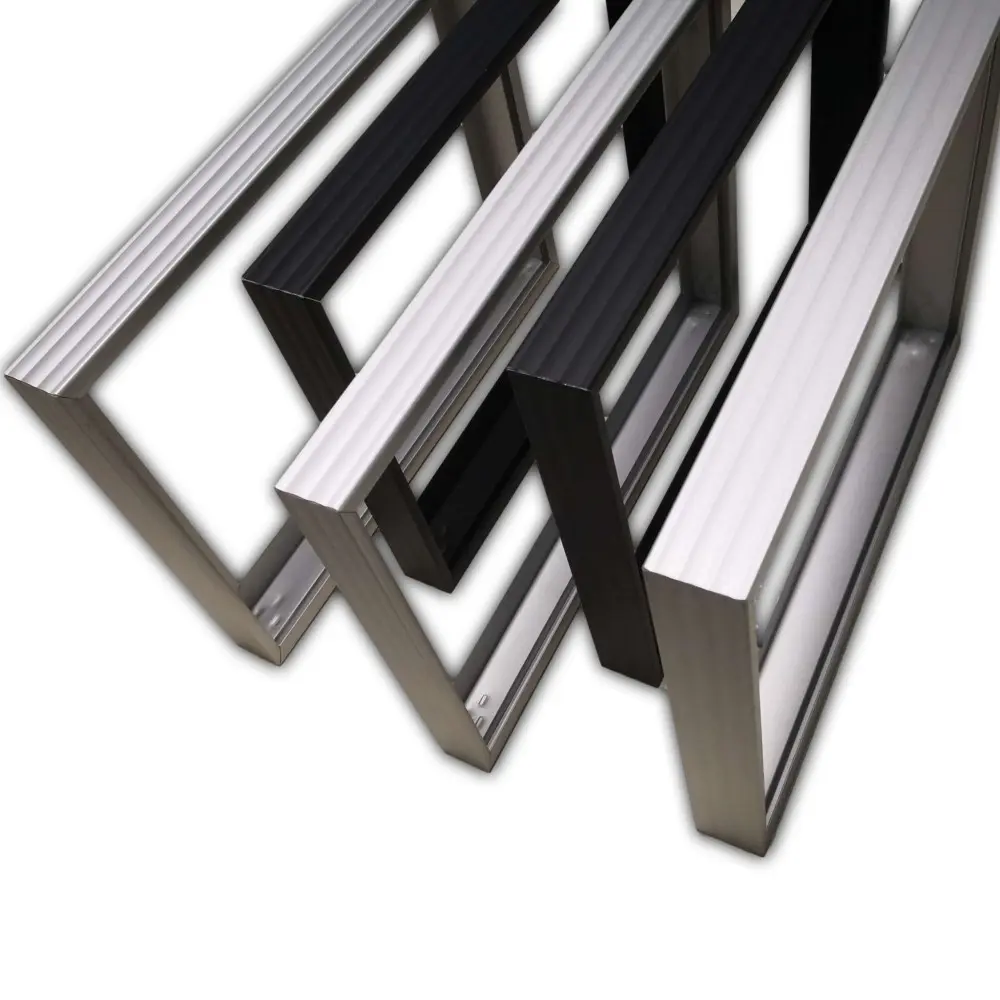
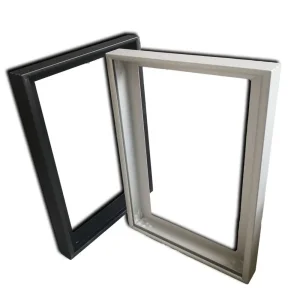
Made of high-quality anodized aluminum, it ensures superior weather resistance and a smooth, long-lasting finish.
The commercial landscape for off-grid PV integration requires strict adherence to international safety metrics. In Europe and the Americas, compliance is an absolute requirement for distribution. Importers look for suppliers who provide comprehensive certifications, including CE Certification, IEC 62133, and UN38.3 compliance for lithium energy cells. These protocols verify safety during air transport and operational stability under extreme thermal fluctuations (-20°C to 60°C).
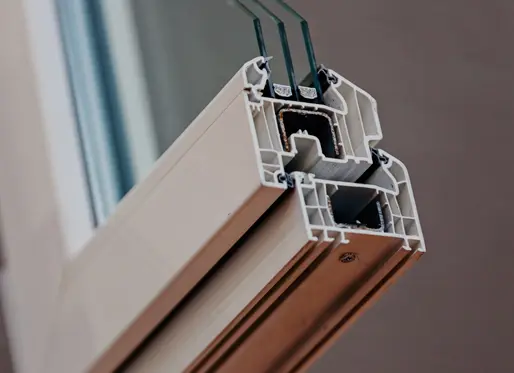
To prevent degradation in coastal or high-humidity regions, top-tier PV structural components rely on specialized finishes. Standard 6063-T5/6005-T6 anodized aluminum extrusion frameworks offer excellent corrosion protection, while newly developed polyurethane pultruded composites improve insulation and minimize weight. These material advancements enable solar structures to maintain electrical isolation even in wet conditions, protecting system investments and reducing ground-fault risks.
Precision, Quality, and Safety - Your Photovoltaic Materials Expert
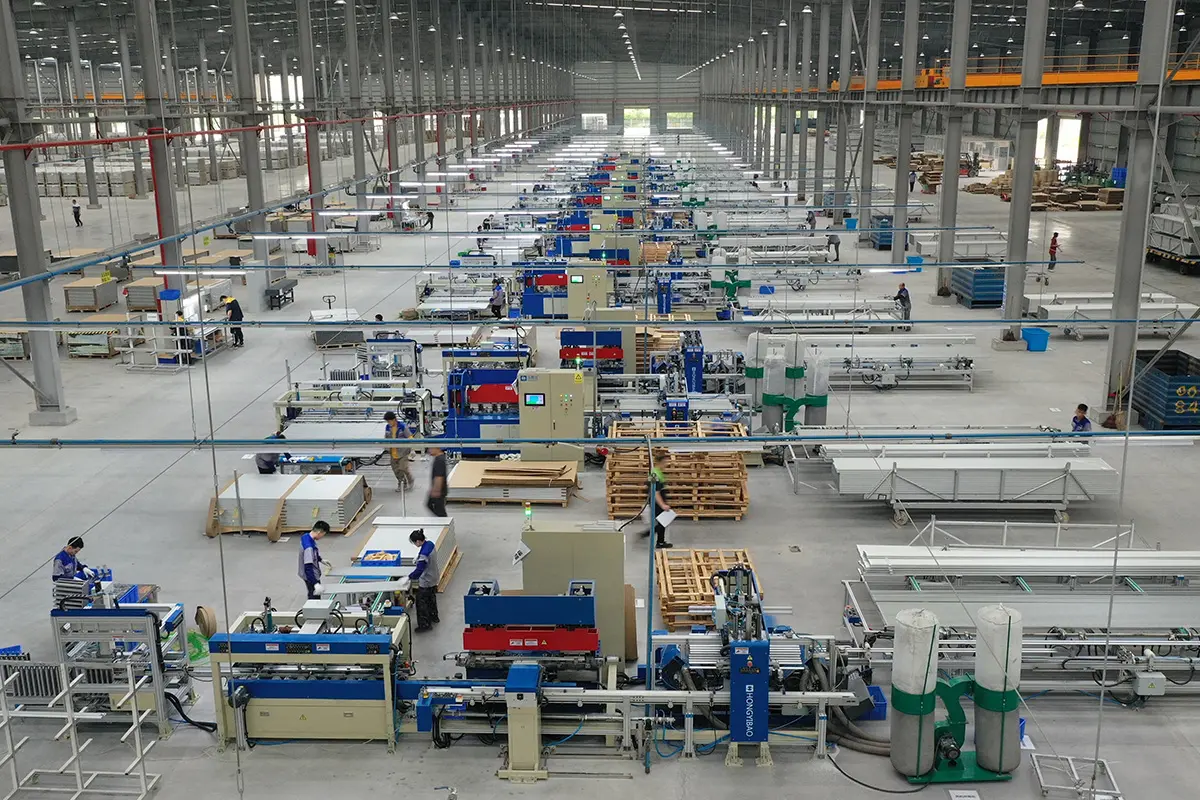
Located in the scenic historical and cultural ancient city of Yangzhou, close to the Beijing-Shanghai Expressway, Runyang Yangtze River Bridge, and Ningqi Railway, the group has a superior geographical location and convenient transportation. The group was established in 2008 and has 14 multi-field companies under its jurisdiction, including Jiangsu Yuxin New Energy Technology Co., Ltd. We are recognized as a National High-tech Enterprise, a Technology-based Enterprise, and one of Gaoyou City's Top 100 Private Enterprises.
Production Lines
Sales Revenue
Export Tons
Annual Tons Out
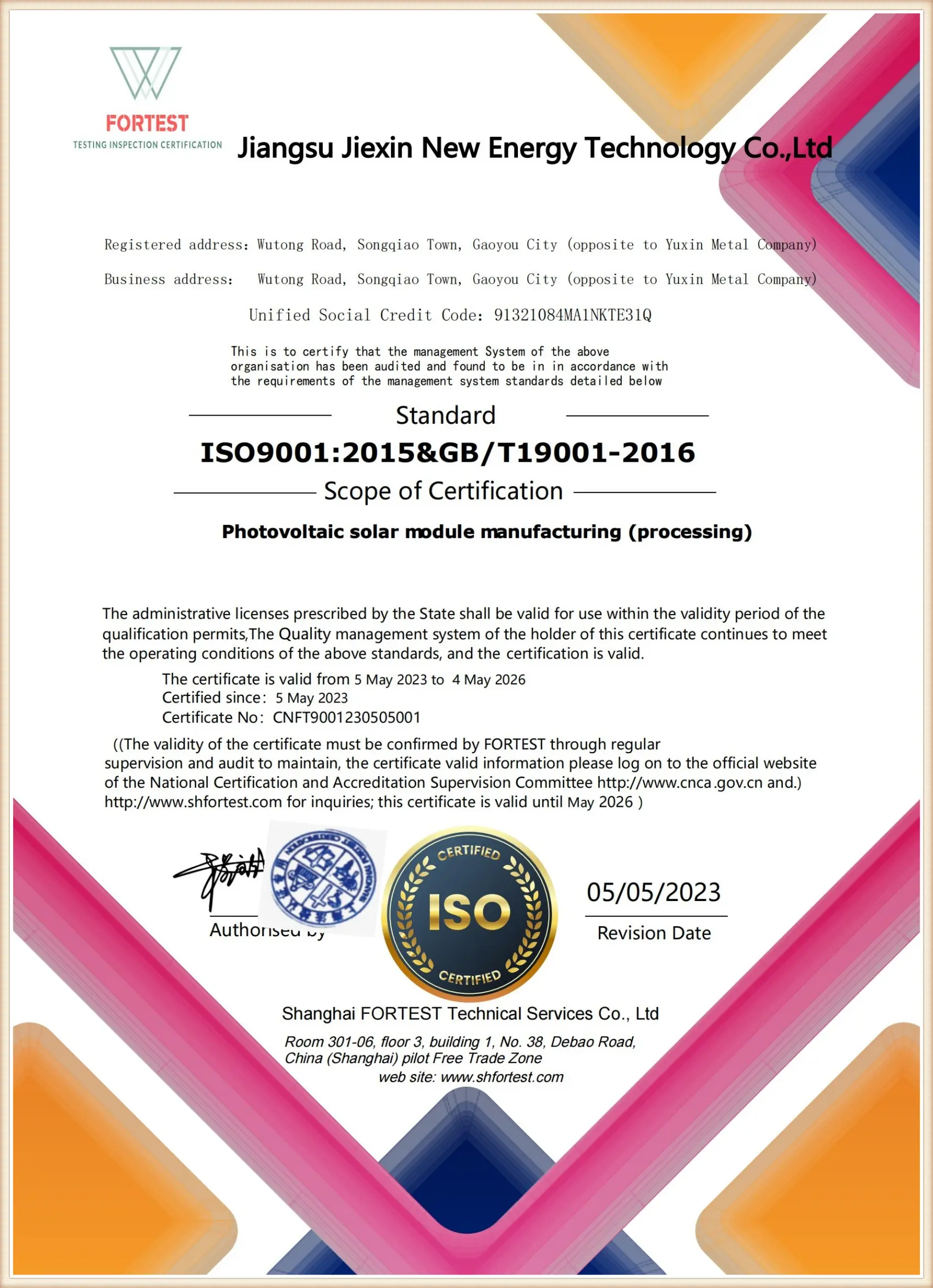
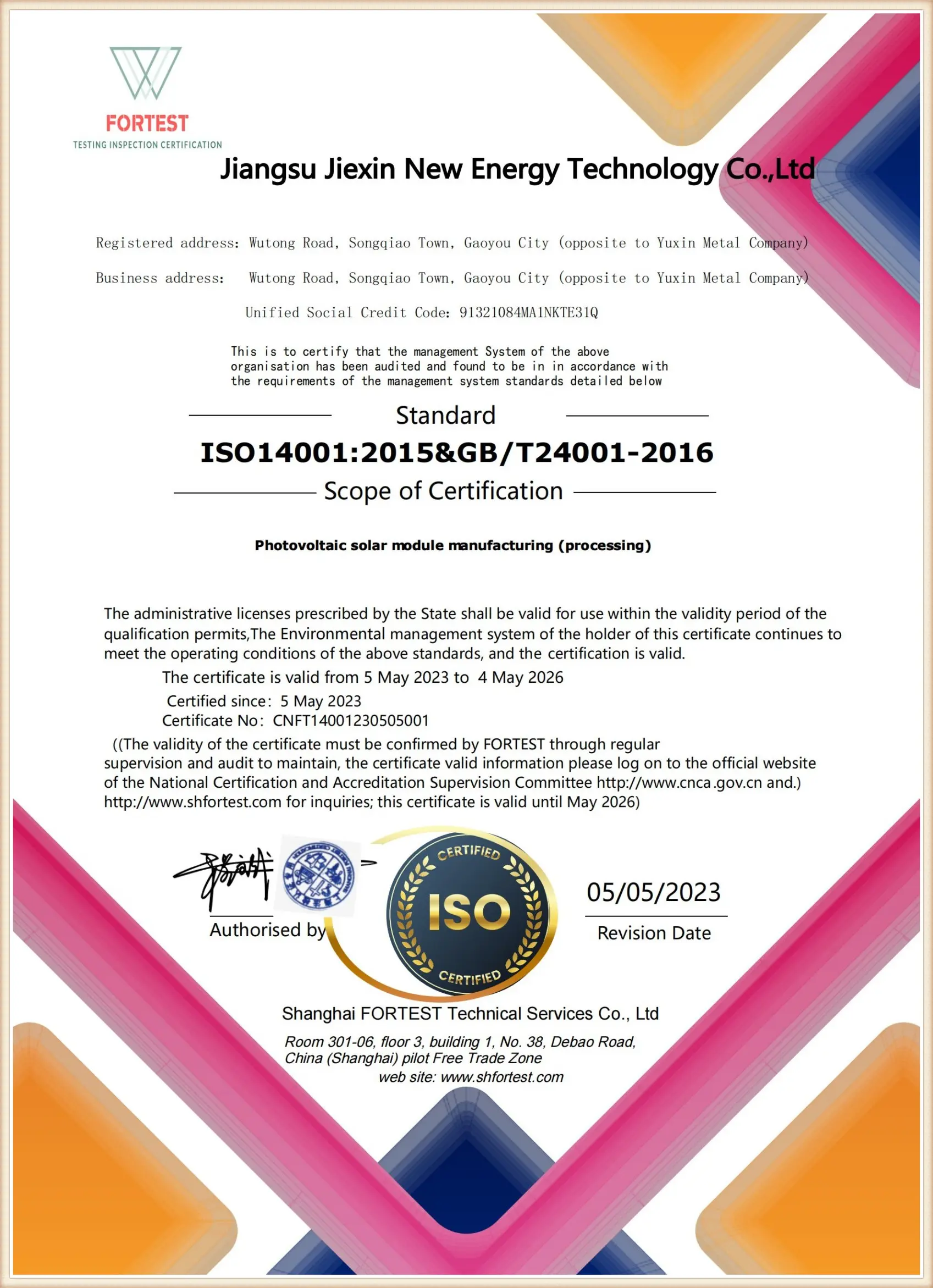
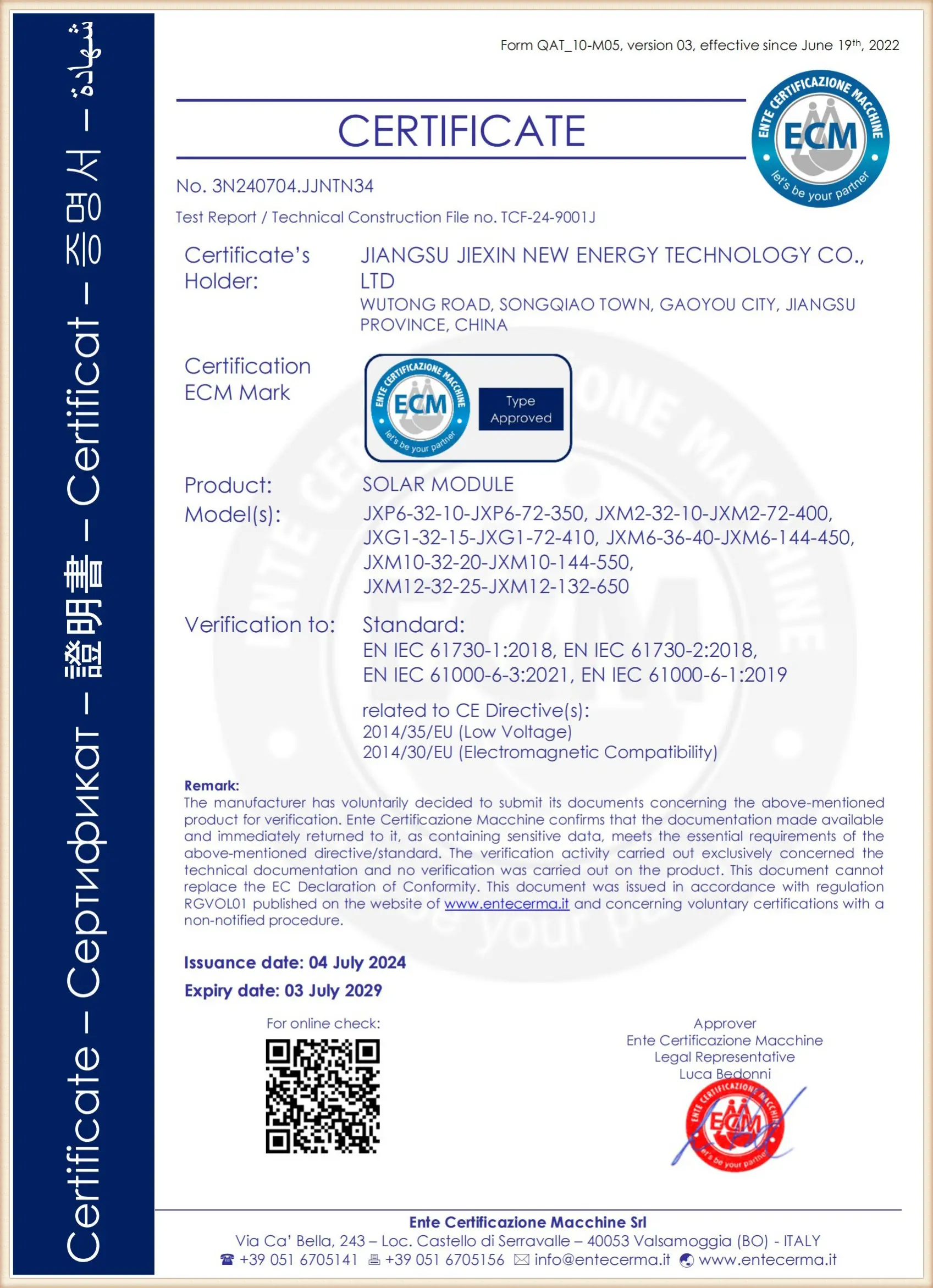
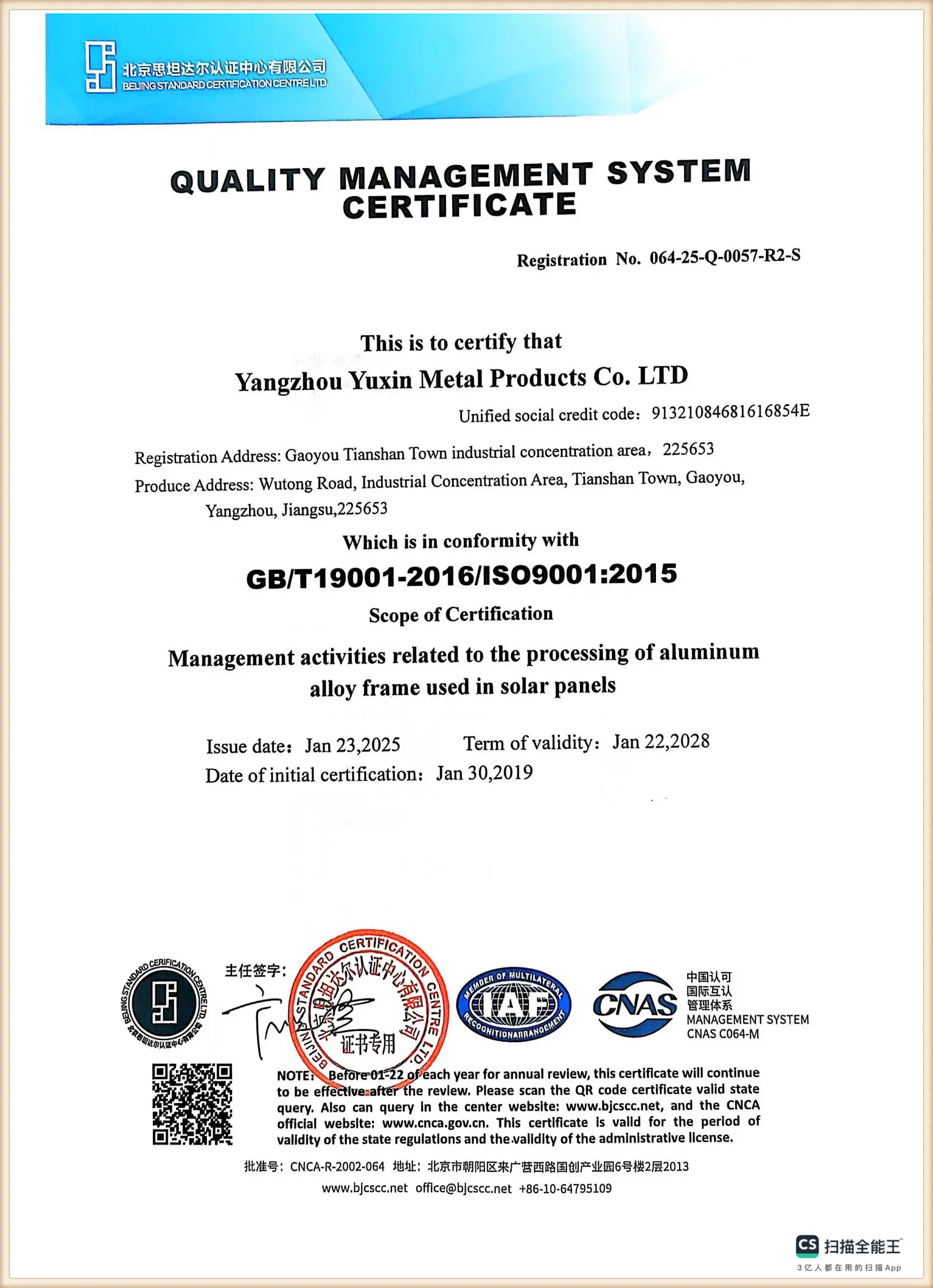
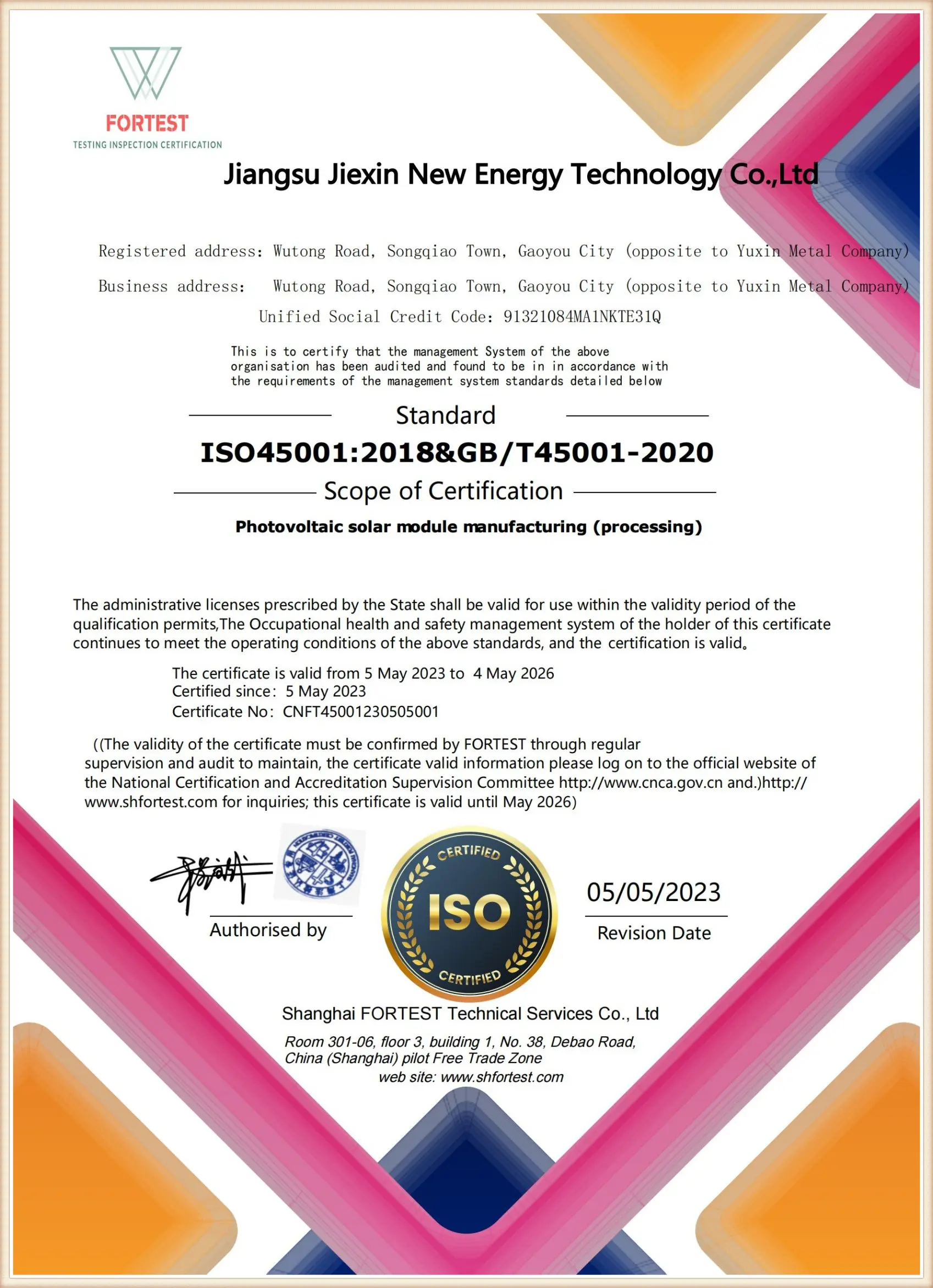
Deploying commercial and industrial energy products requires matching systems to regional regulations. Within the European Union, CE Certification indicates compliance with key regulatory directives: the Low Voltage Directive (LVD) 2014/35/EU, the Electromagnetic Compatibility (EMC) Directive 2014/30/EU, and safety standard EN 62619 for industrial lithium batteries. These regulations verify that portable off-grid systems will not interfere with communication hardware, spark during operation, or hazardously overheat under high load profiles.
Selecting high-quality mounting components prevents installation fatigue and degradation in rugged locales. Utilizing composite materials and 6063-T5 aluminum framing reduces weight, simplifying remote deployment while maintaining structural integrity. These materials insulate electrical wiring from grounding paths, minimizing leakages in rainy or humid settings. For regional installations in environments prone to high wind loads, structural engineering ensures continuous service without breakdown.
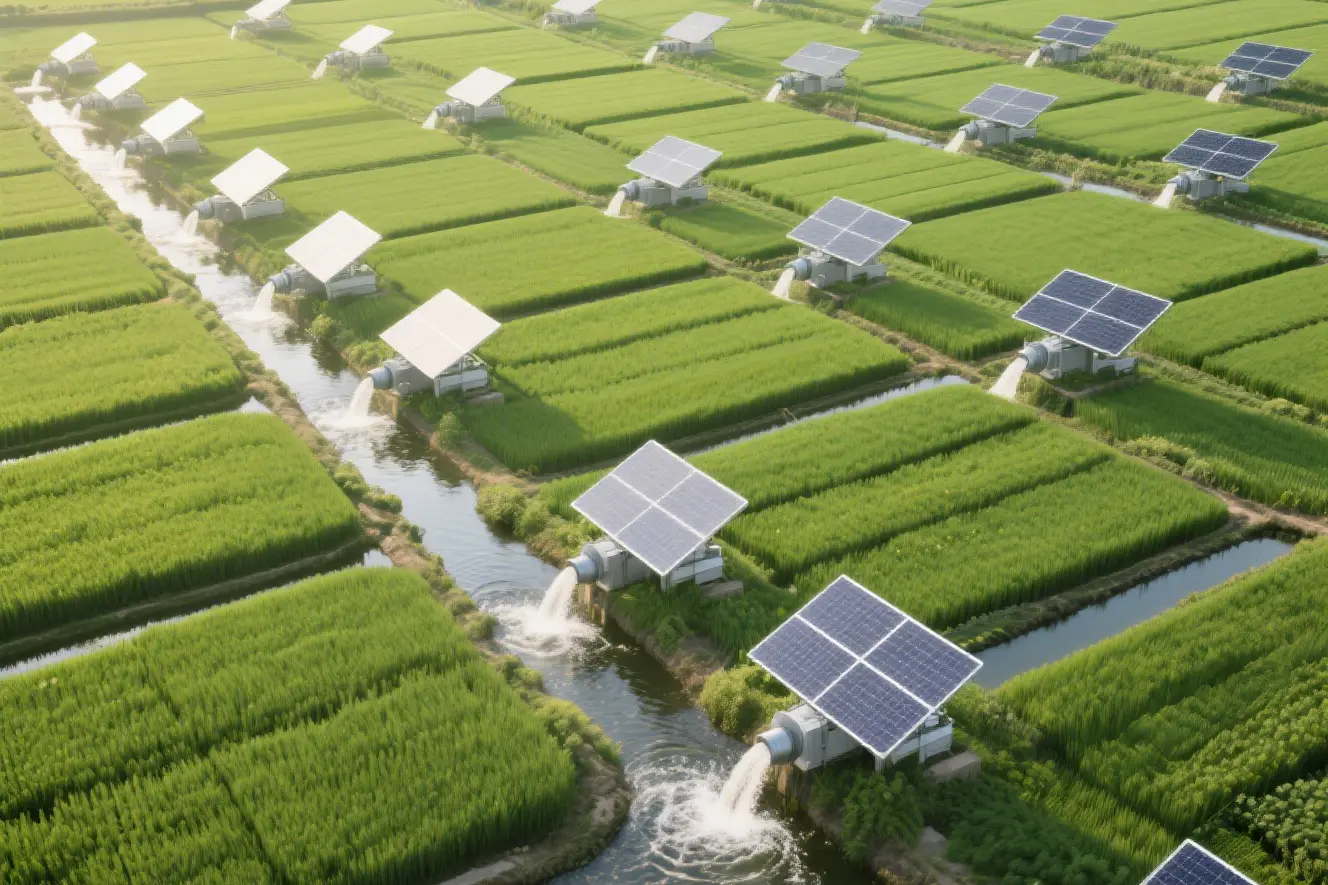
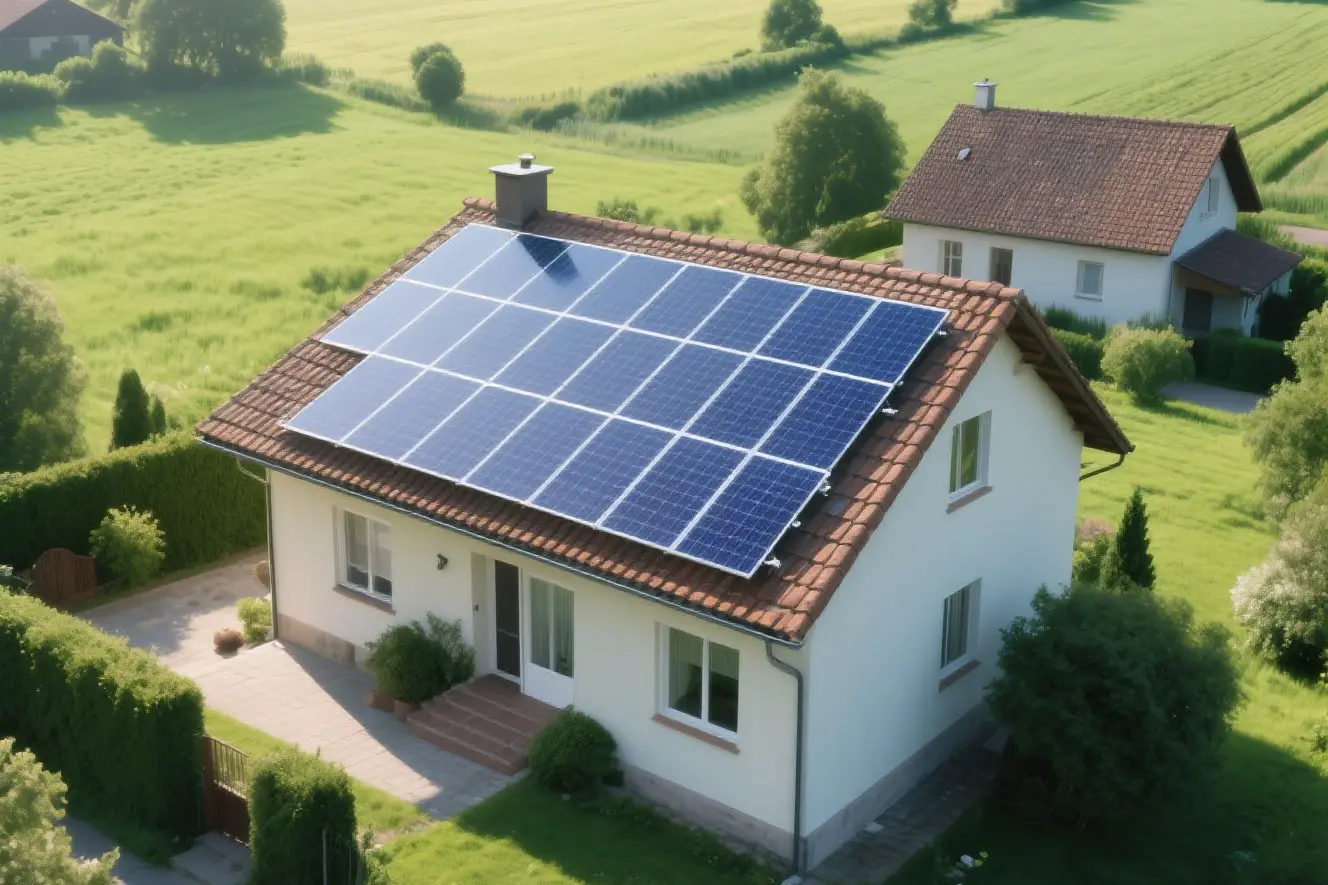
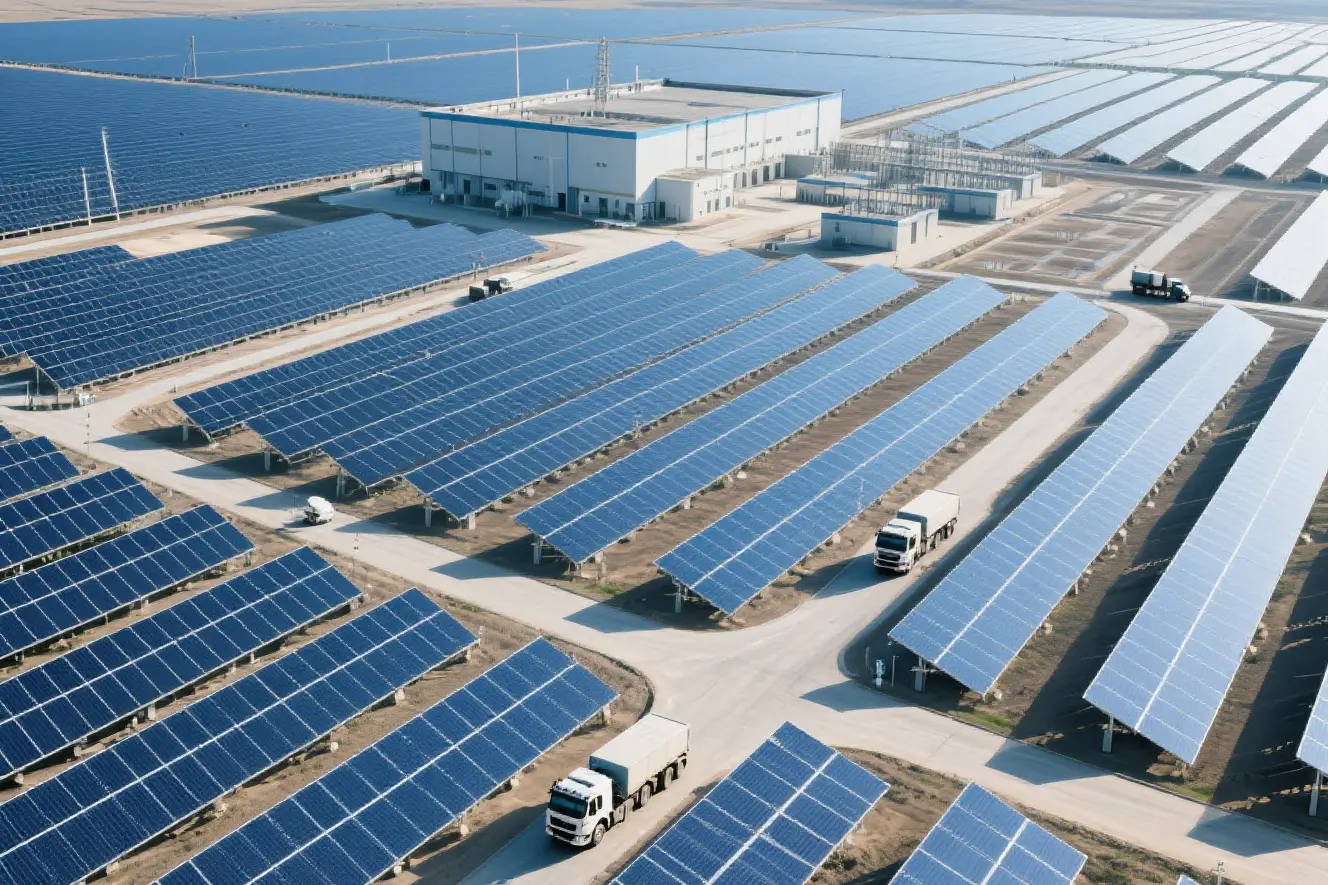
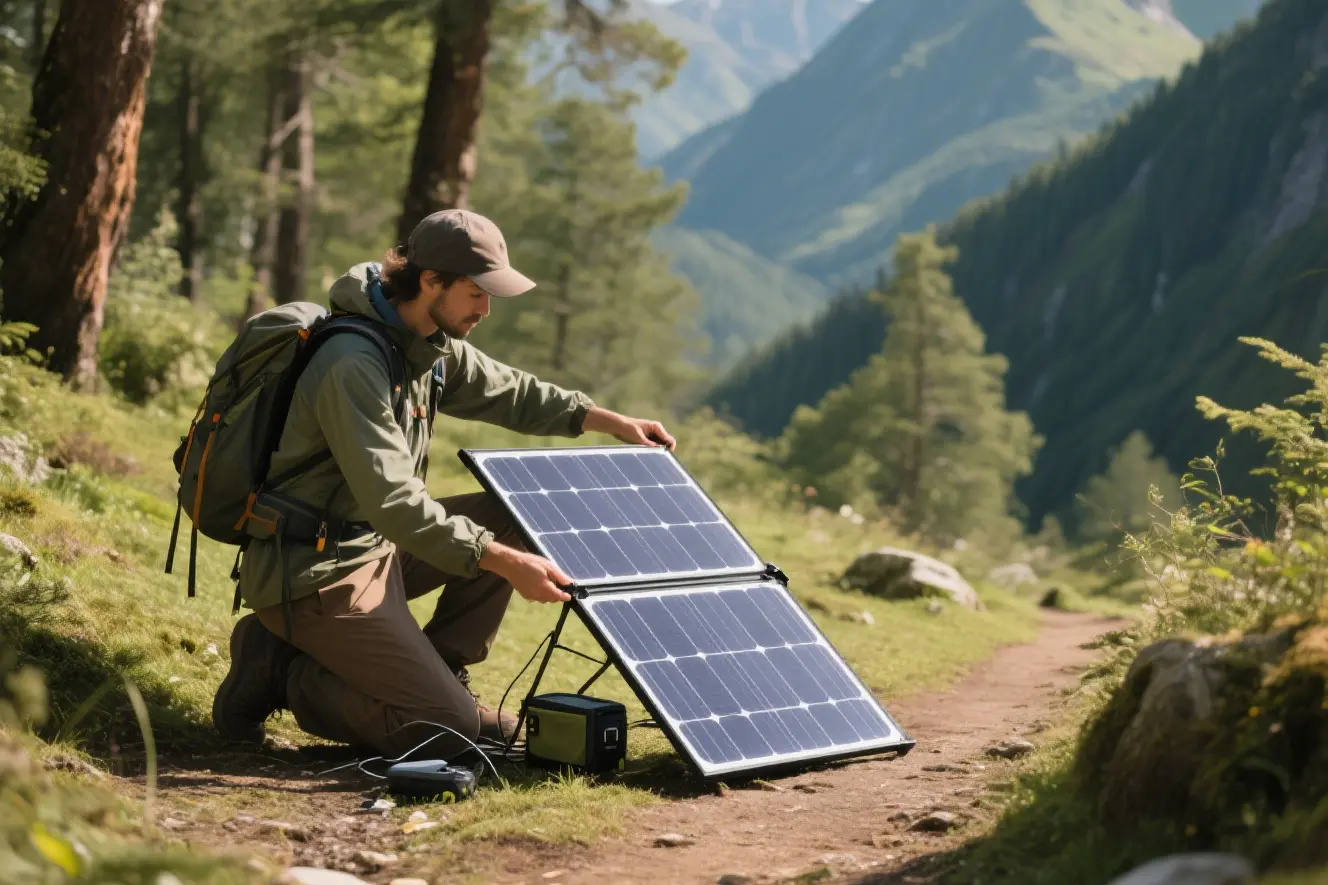
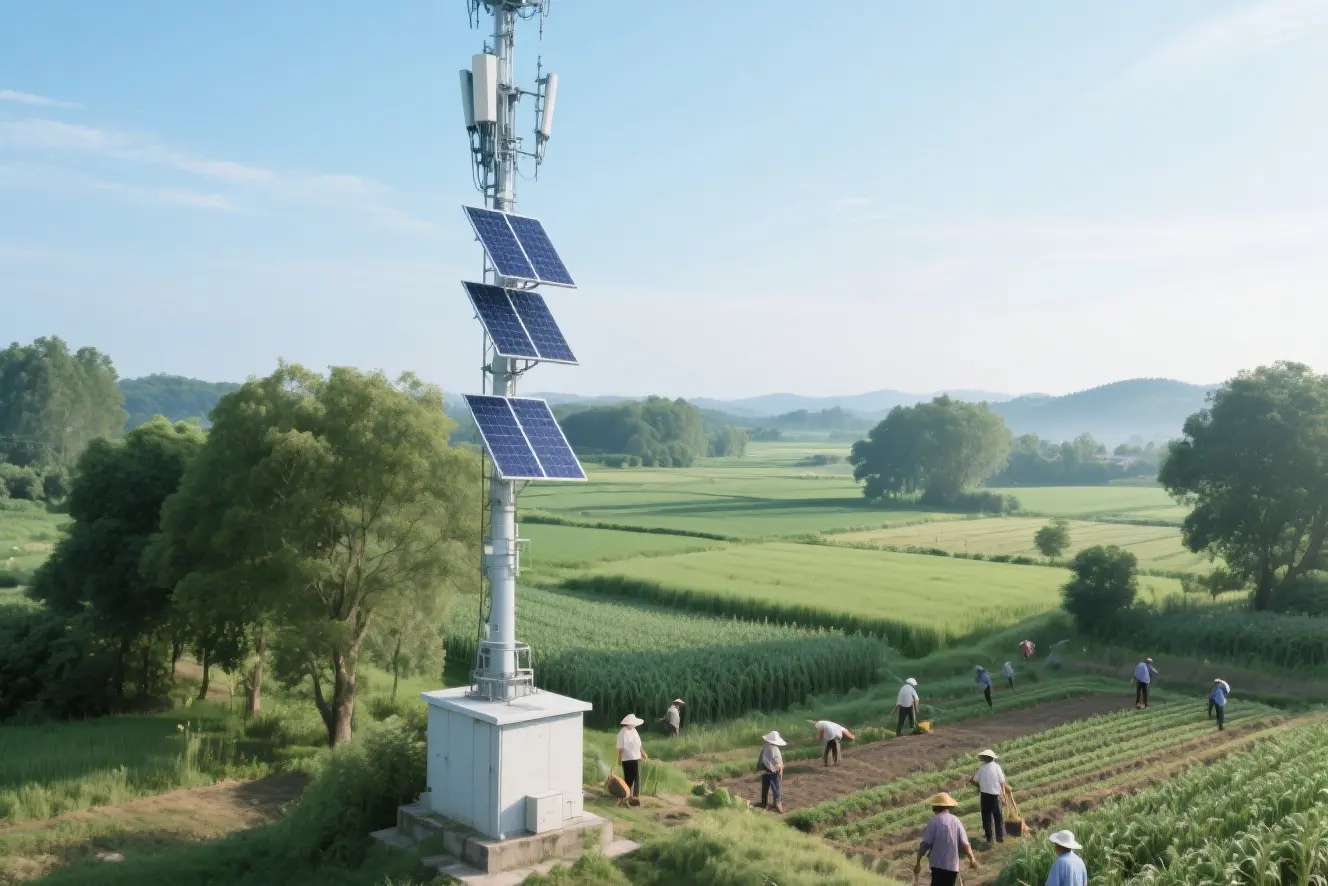
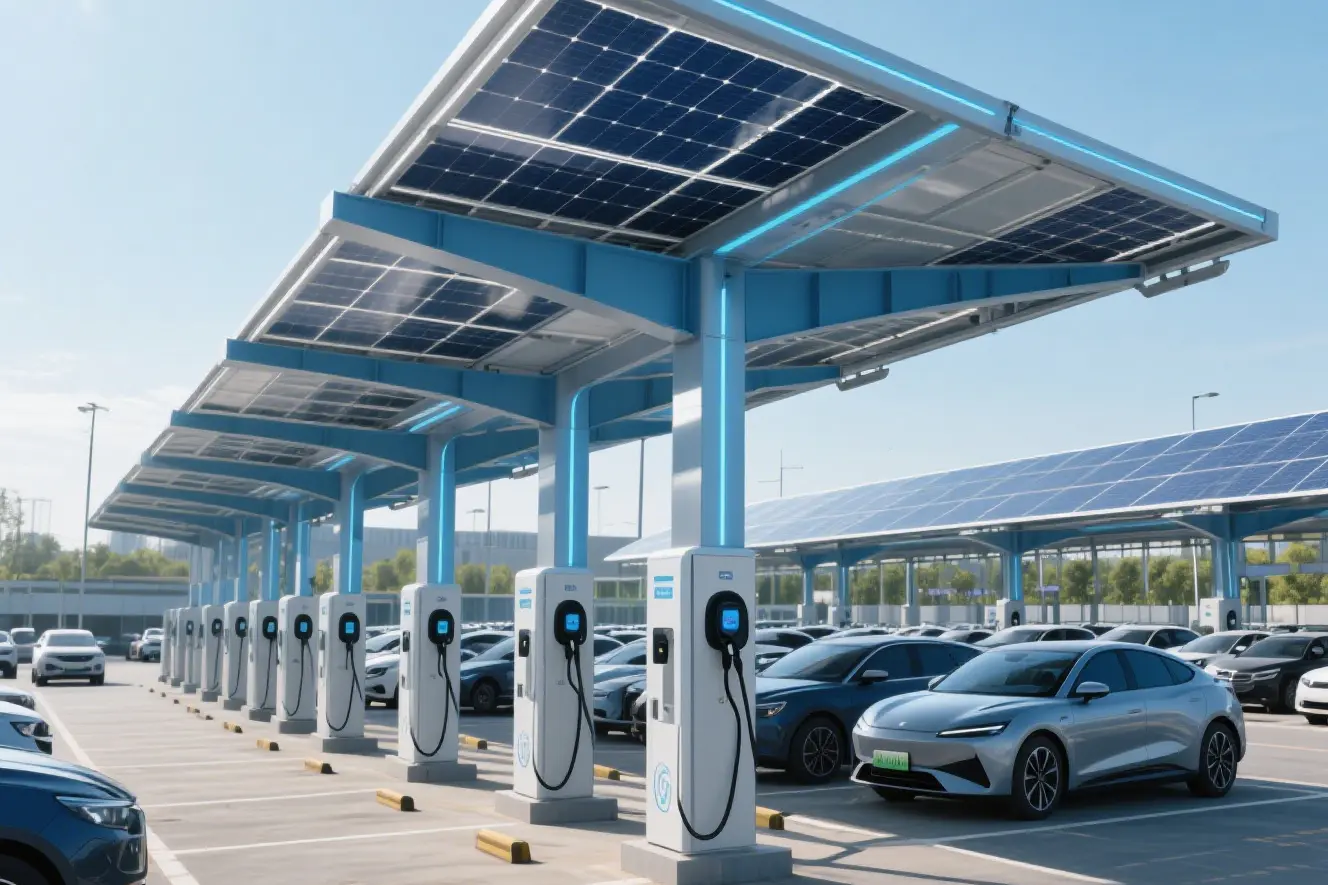
The roadmap for next-generation off-grid energy storage involves improving chemistry and enhancing structural integration. Monocrystalline silicon panels are moving toward N-type TOPCon and heterojunction (HJT) cell architectures, pushing commercial conversion efficiencies past 25.5%. These cells feature a low temperature coefficient, maintaining consistent power output during intense summer operations.
For battery systems, integration with intelligent BMS enables IoT monitoring. Users can track cell voltage, temperature profiles, and state of charge (SoC) parameters remotely. In structural design, replacing traditional framing with lightweight polyurethane pultruded components reduces structural weight, simplifying mobile system setup without sacrificing mechanical strength.
1. Why is CE Certification critical for batteries used in camping and outdoor solar installations?
CE certification indicates that battery systems meet EU health, safety, and environmental standards. For lithium-ion energy cells, this requires compliance with directives like EN 62619, which evaluates safety under conditions of thermal abuse, short-circuit, overcharge, and mechanical impact. Without this certification, import customs can seize shipments, and insurers may decline coverage in the event of an operational accident.
2. How do N-type TOPCon modules compare to traditional PERC solar panels in hot outdoor environments?
N-type TOPCon cells feature improved passivation and low recombination losses, resulting in conversion efficiencies exceeding 22.5% compared to around 20-21% for standard PERC. Furthermore, TOPCon solar cells offer a lower temperature coefficient (-0.30%/°C) than PERC (-0.35%/°C), enabling them to maintain higher power outputs during peak summer temperatures.
3. What benefits do polyurethane composite frames offer compared to anodized aluminum frames?
Anodized aluminum frames (typically 6063-T5) offer excellent structural rigidity and ease of machining. However, polyurethane pultruded composites provide lower thermal conductivity, eliminating thermal bridging in extreme climates. They also offer excellent electrical insulation, reducing leakage currents and grounding-fault risks in wet outdoor installations.
4. What parameters are evaluated during UN38.3 testing for transport safety?
UN38.3 testing verifies that batteries remain stable during transport. It includes 8 testing modules: altitude simulation, thermal testing, vibration exposure, shock resistance, external short-circuit testing, impact/crush resistance, overcharge protection, and forced discharge safety. Passing these tests is required for both air and ocean freight logistics.
5. Can portable emergency generators be integrated directly with domestic home solar storage setups?
Yes, via compatible hybrid inverters or dual input charge controllers. For example, systems like the 8000T~15KT-10HS household units support grid-connected, off-grid, and mixed operations. These systems accept power inputs from both residential rooftop arrays and portable power sources, providing versatile energy backup during grid outages.