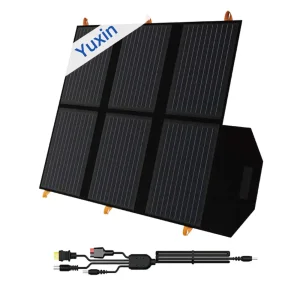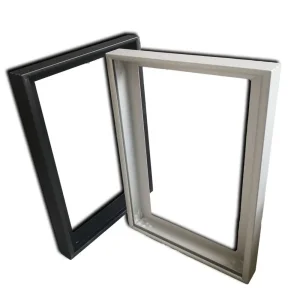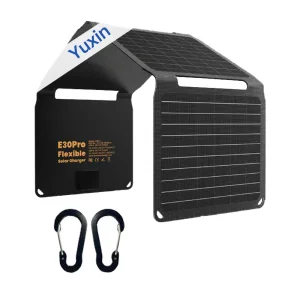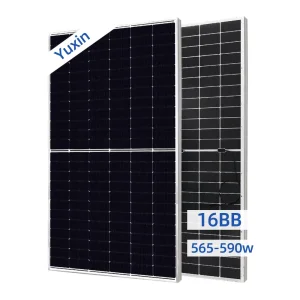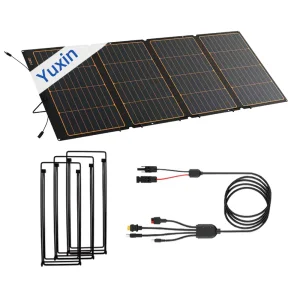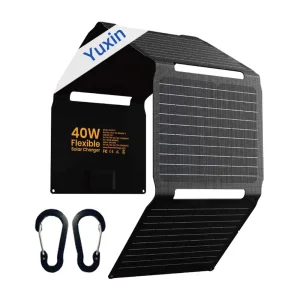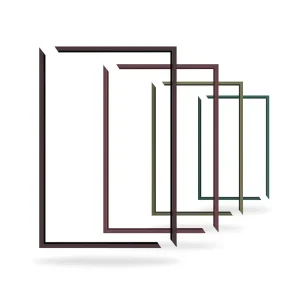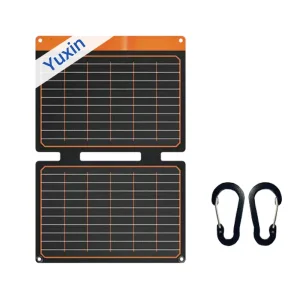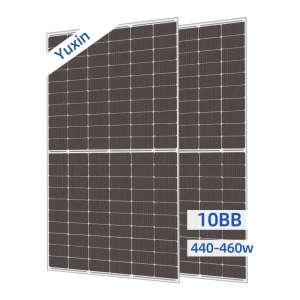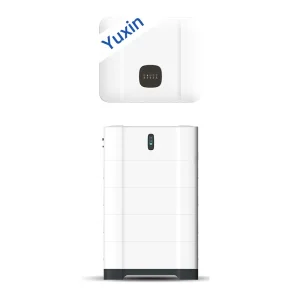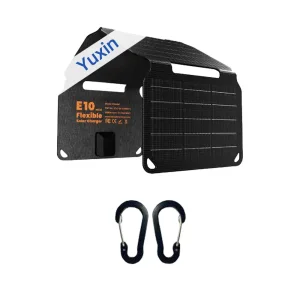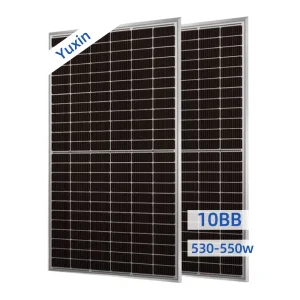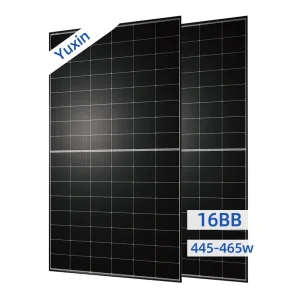
Engineered for absolute off-grid efficiency, our hardware options are built to empower robust, high-performance solar-powered irrigation and power deployment profiles.
How leading municipalities, commercial properties, and smart farms integrate autonomous, off-grid water deployment systems.
Modern municipalities face the dual challenge of declining water reserves and inflating power costs. Implementing solar-powered sprinkler controllers reduces grid dependency to absolute zero. By pairing monocrystalline PV systems with advanced LoRaWAN telemetry, municipal facilities program and regulate zone-specific cycles without relying on local power grids or high-maintenance AC routing.
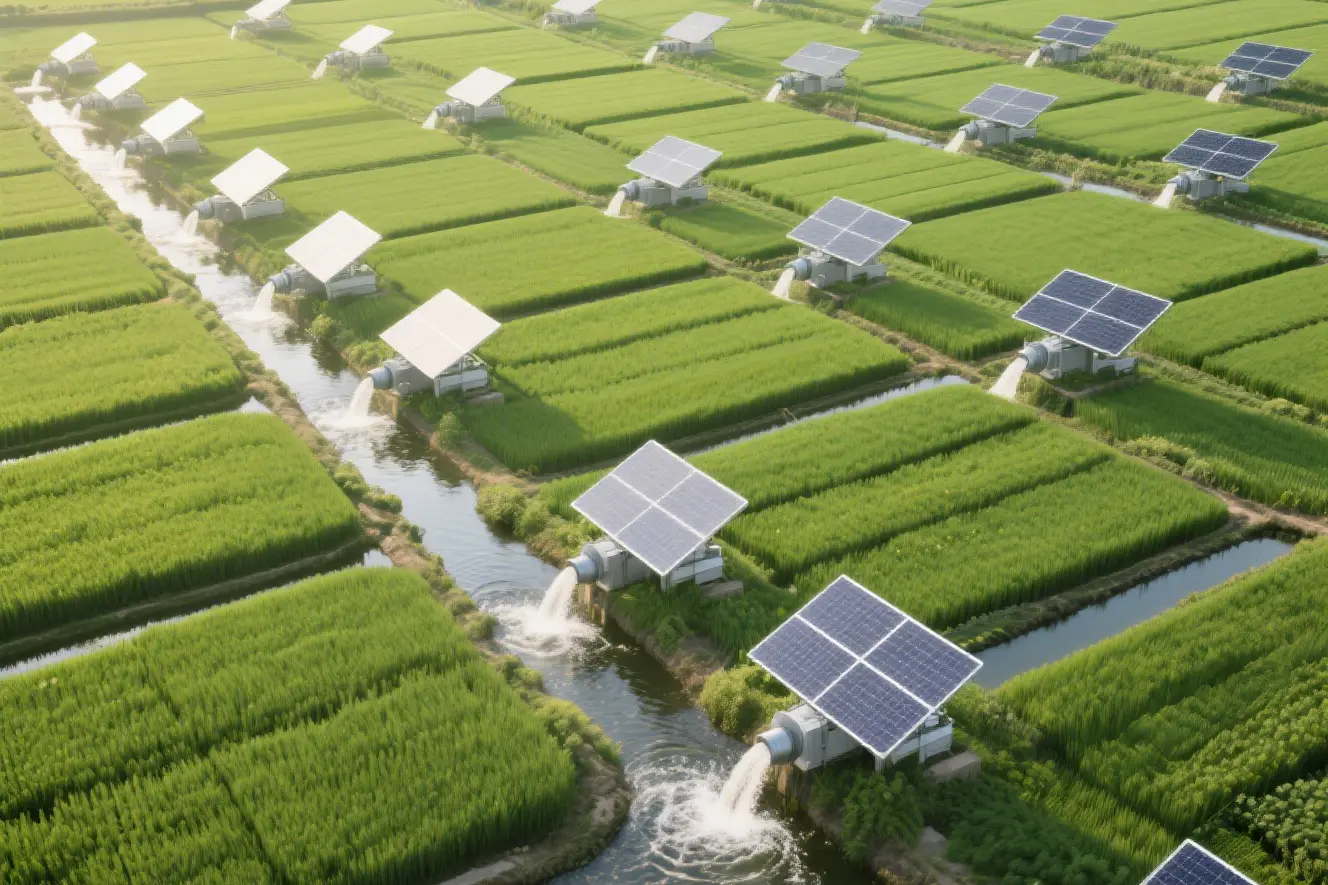
Large-scale farming demands precise water budgets to prevent soil salinization and run-off. Solar-powered controller systems calculate soil moistures and direct hydraulic valves dynamically. Harnessing proprietary solar technologies allows these agricultural controllers to run continuously in remote, off-grid regions, integrating seamlessly with drip lines, pulse systems, and high-pressure pivots.
Deploying irrigation in post-mining lands or re-forestation zones is traditionally a logistics nightmare. Fully self-contained solar controllers drive latching solenoid valves utilizing minimal daily solar energy storage. These controllers resist harsh weather elements, operating reliably under extreme dust, mud, and fluctuating UV conditions without the requirement for routine battery swaps.
"According to global sustainability frameworks, moving agricultural and landscape infrastructure to automated, weather-predictive off-grid irrigation can conserve up to 35% more freshwater compared to manual, schedule-based cycles."
The transition toward eco-efficient smart irrigation is rapidly expanding across the globe. Driven by strict water preservation mandates in North America, Australia, and parts of Europe, key commercial buyers demand high-performance equipment that survives decades under the sun. Finding a reliable solar powered sprinkler controller manufacturer means checking for robust physical engineering, superior cell efficiency, and strong protective housings.
As a leading supplier in global solar materials, Jiangsu Yuxin New Energy Technology Co., Ltd. (YUXIN) has contributed critical photovoltaic engineering solutions since 2008. Our experience in advanced monocrystalline, N-type TOPCon bifacial modules, and structural anodized aluminum frames enables us to understand the extreme demands placed on outdoor equipment. By providing the structural backing and solar frames that survive tough outdoor exposures, we ensure your smart controller hardware maintains structural seal integrity, protecting sensitive internal circuits from thermal expansion and water intrusion.
Explore the foundational components that define our commercial solar capabilities.
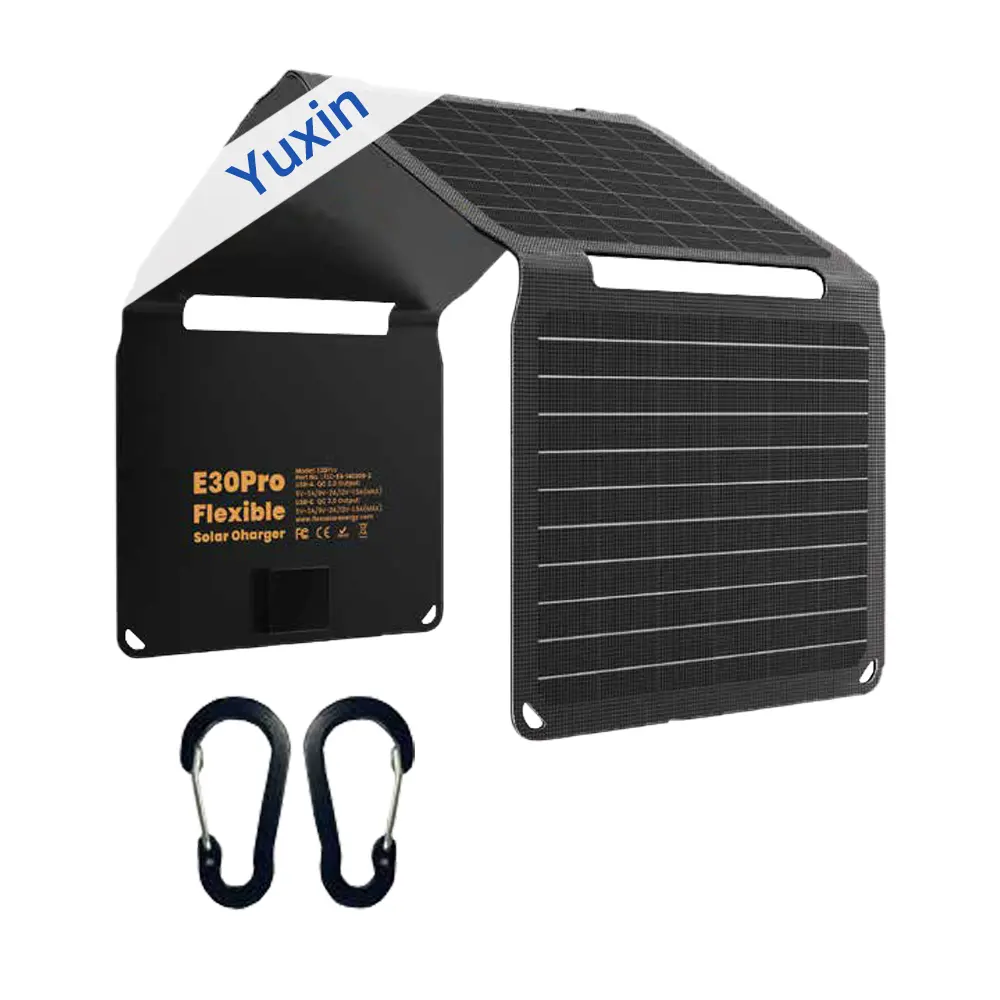
Lightweight design with transparent back panel for easy installation and reduced BOS costs.
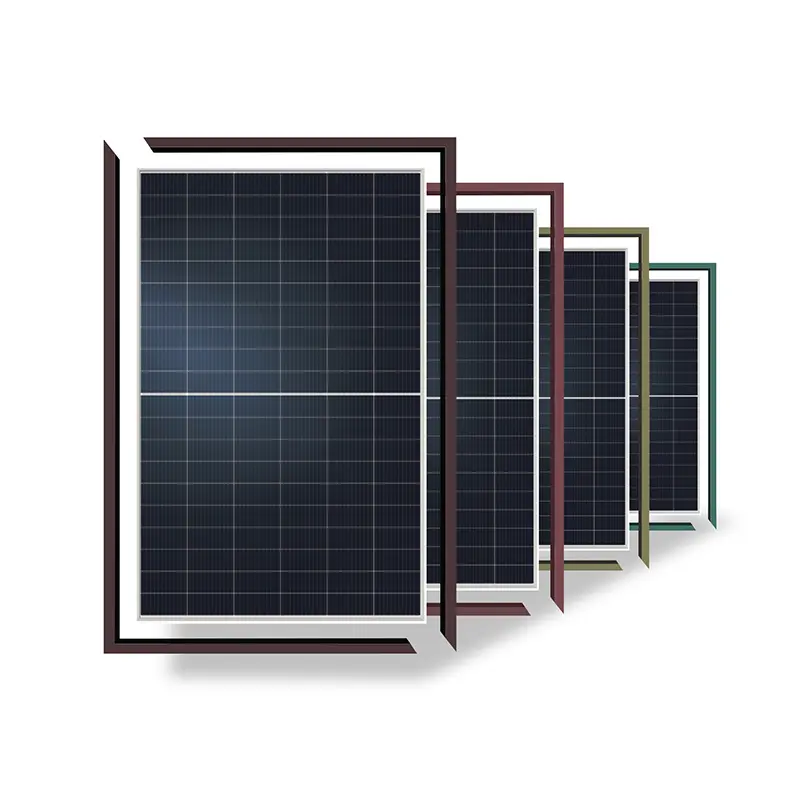
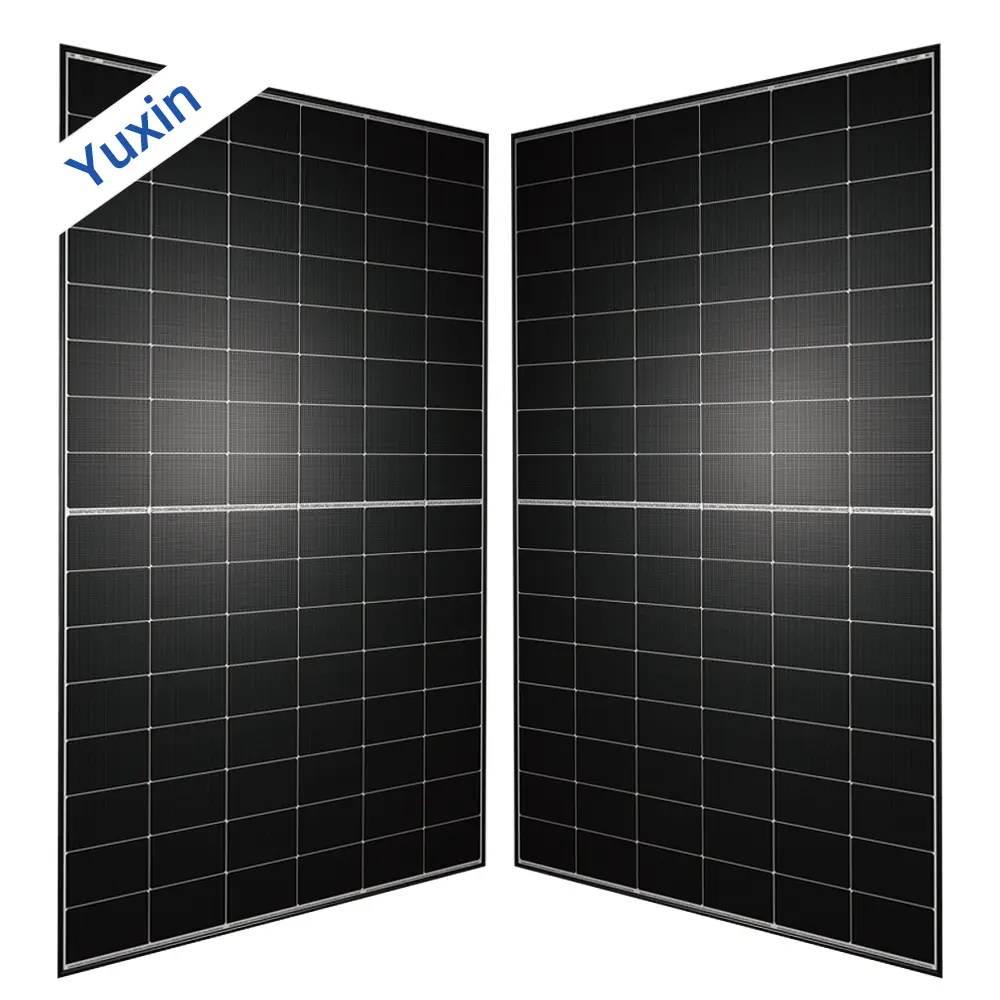
Utilizing advanced monocrystalline silicon cells, it achieves a high energy conversion efficiency of 24%.

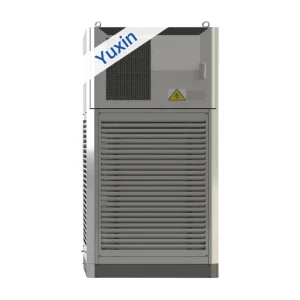
Application modes include grid-connected mode, off-grid mode, and integrated grid-connected/off-grid mode.
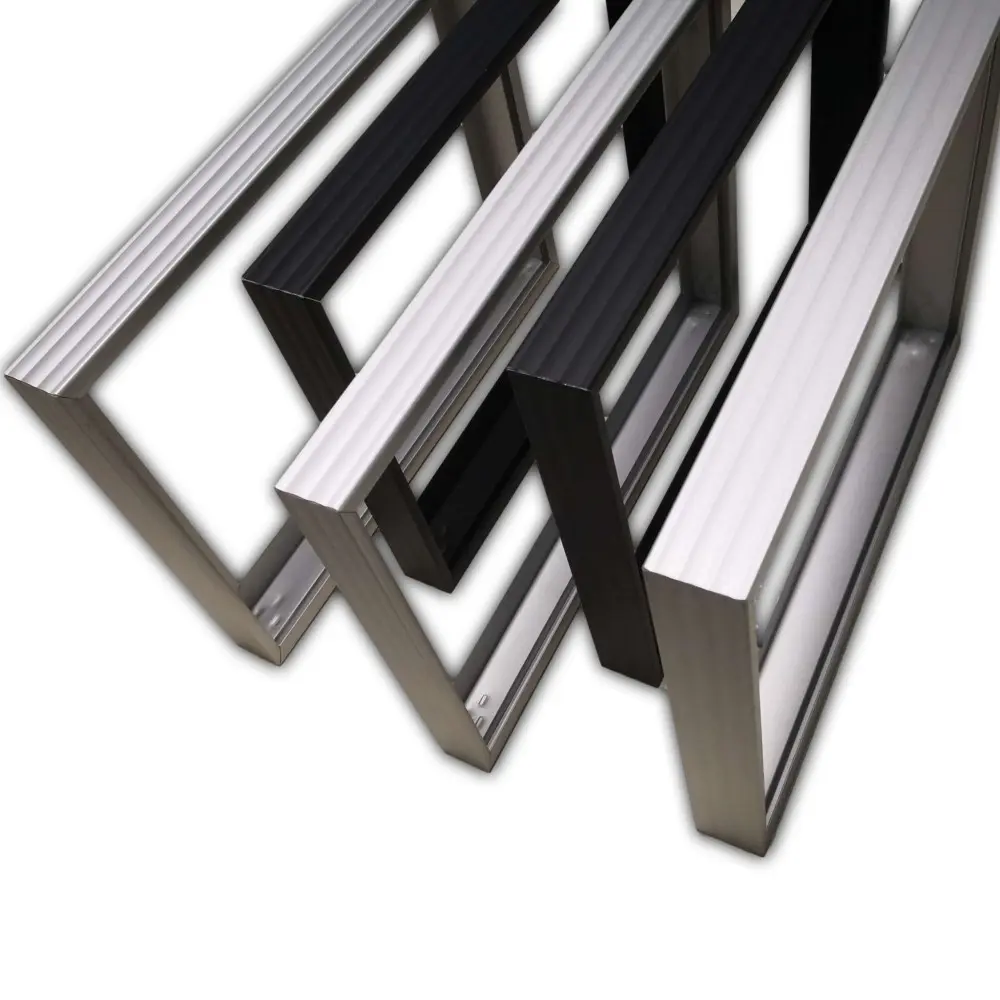
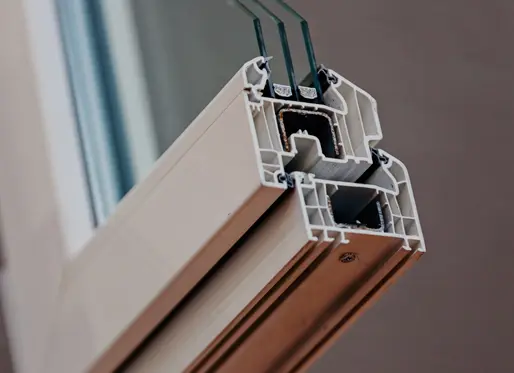
Made of high-quality anodized aluminum, it ensures superior weather resistance and a smooth, long-lasting finish.
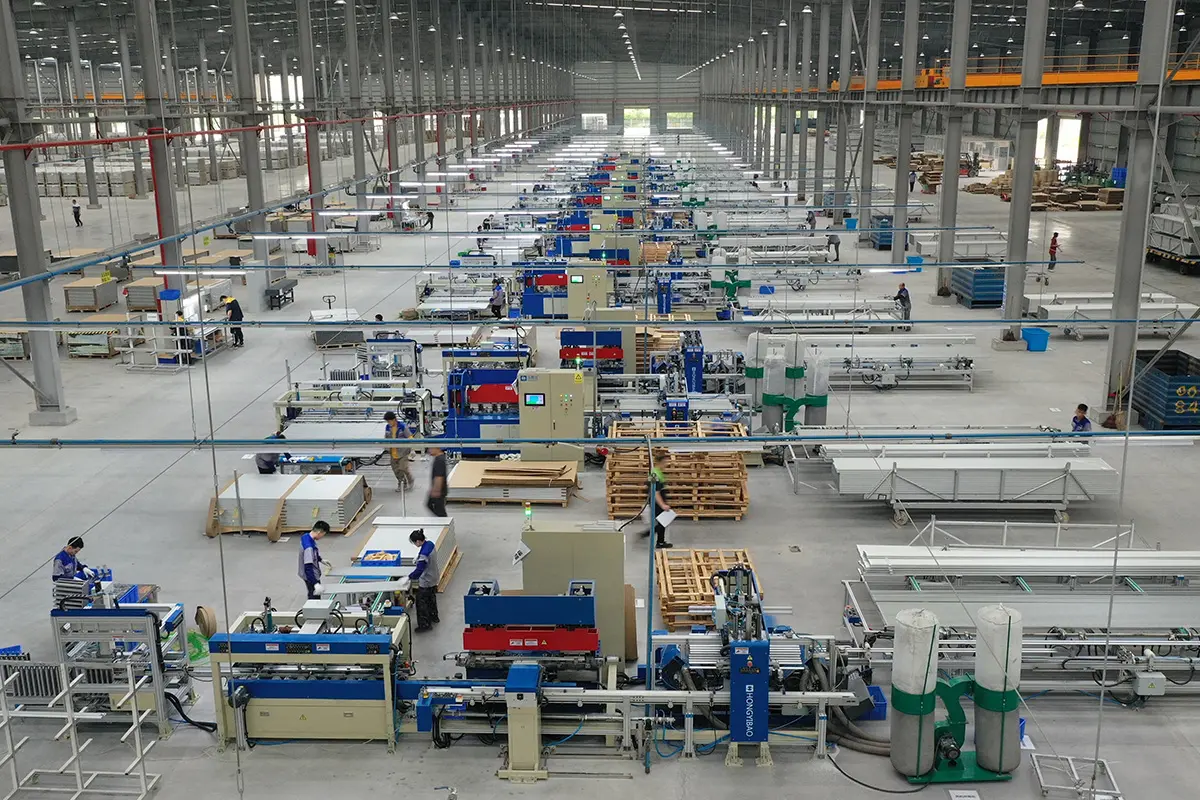
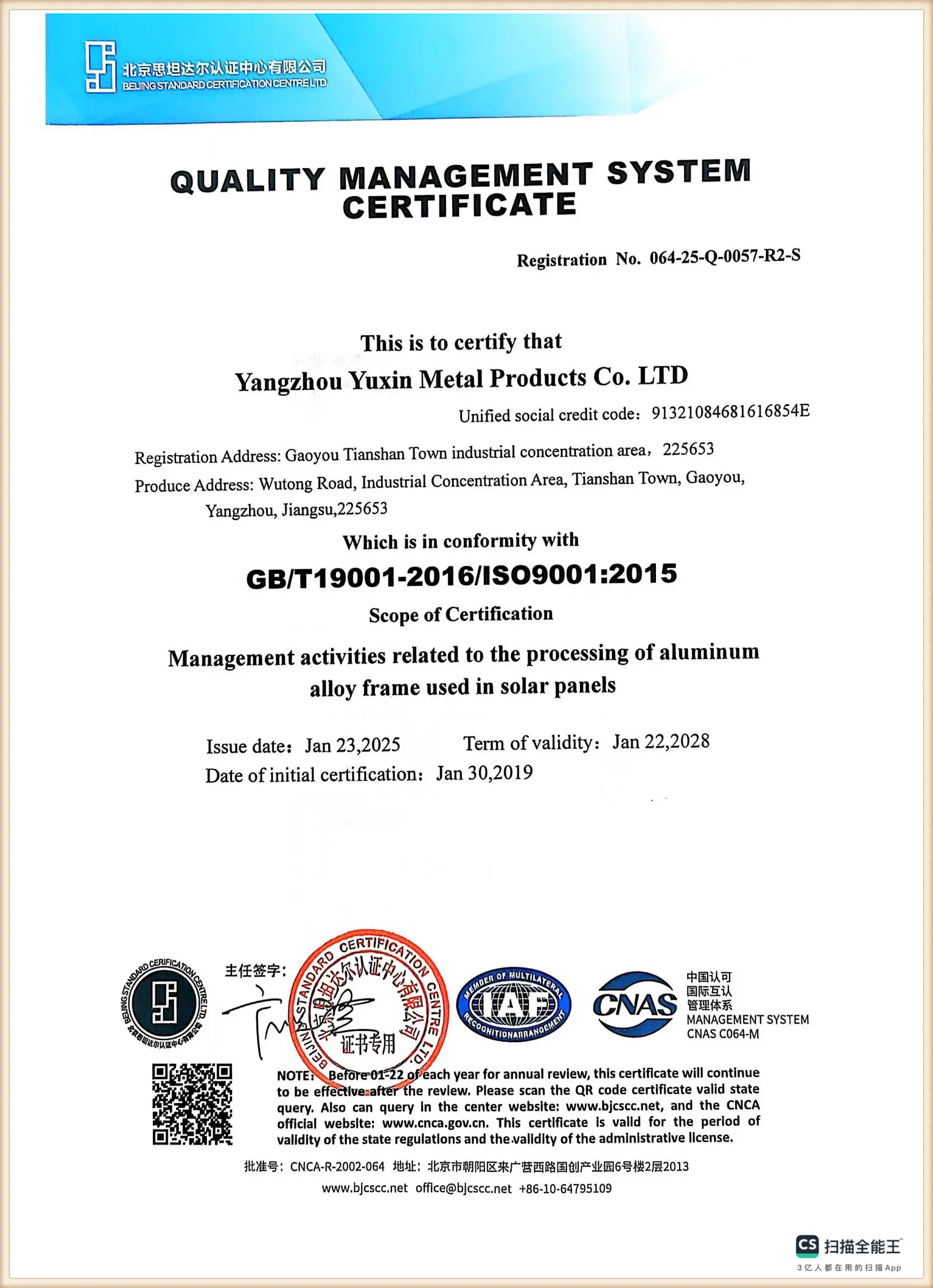
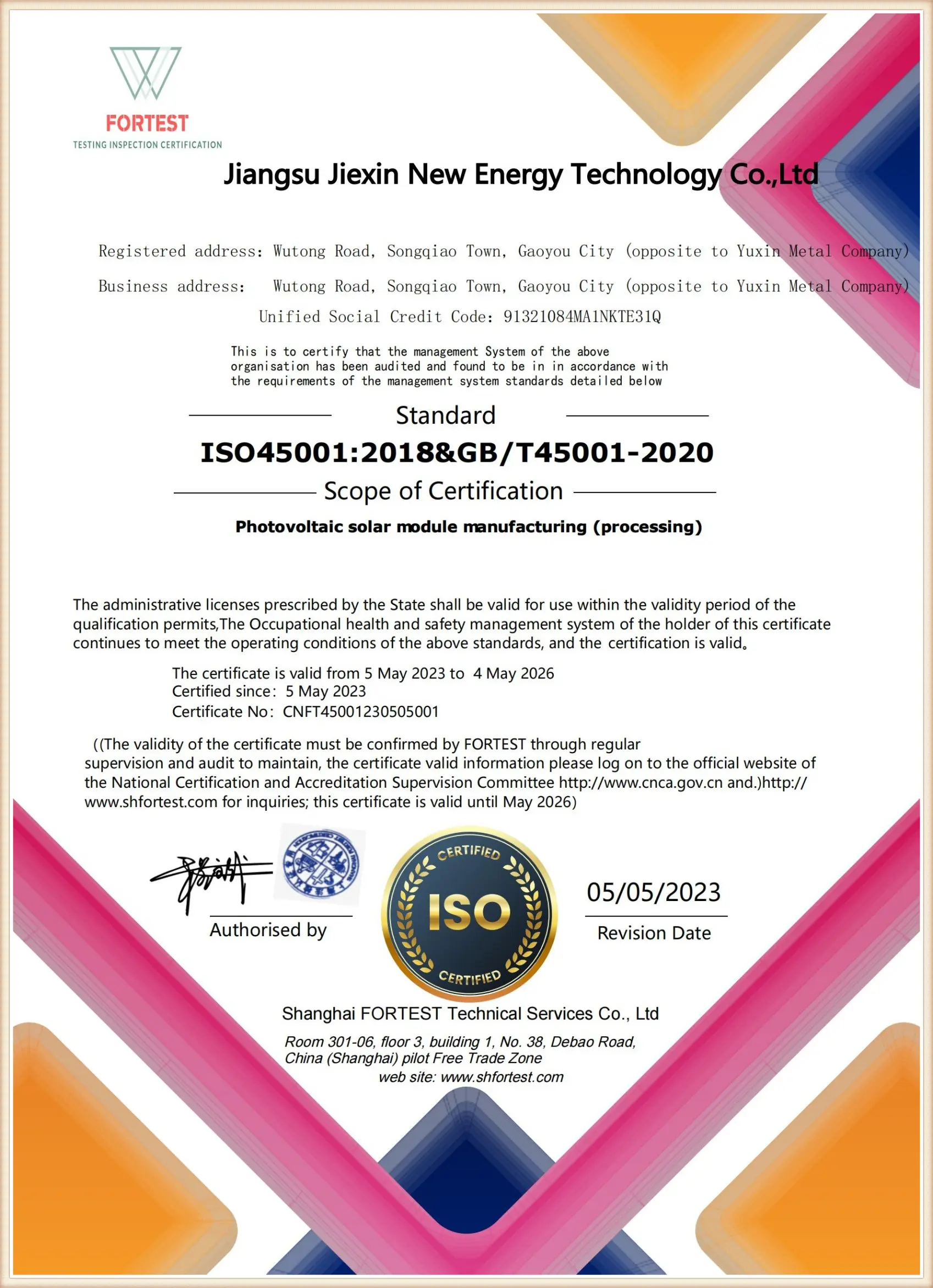
Our manufacturing pipelines and structural components meet international quality benchmarks for outdoor resilience.
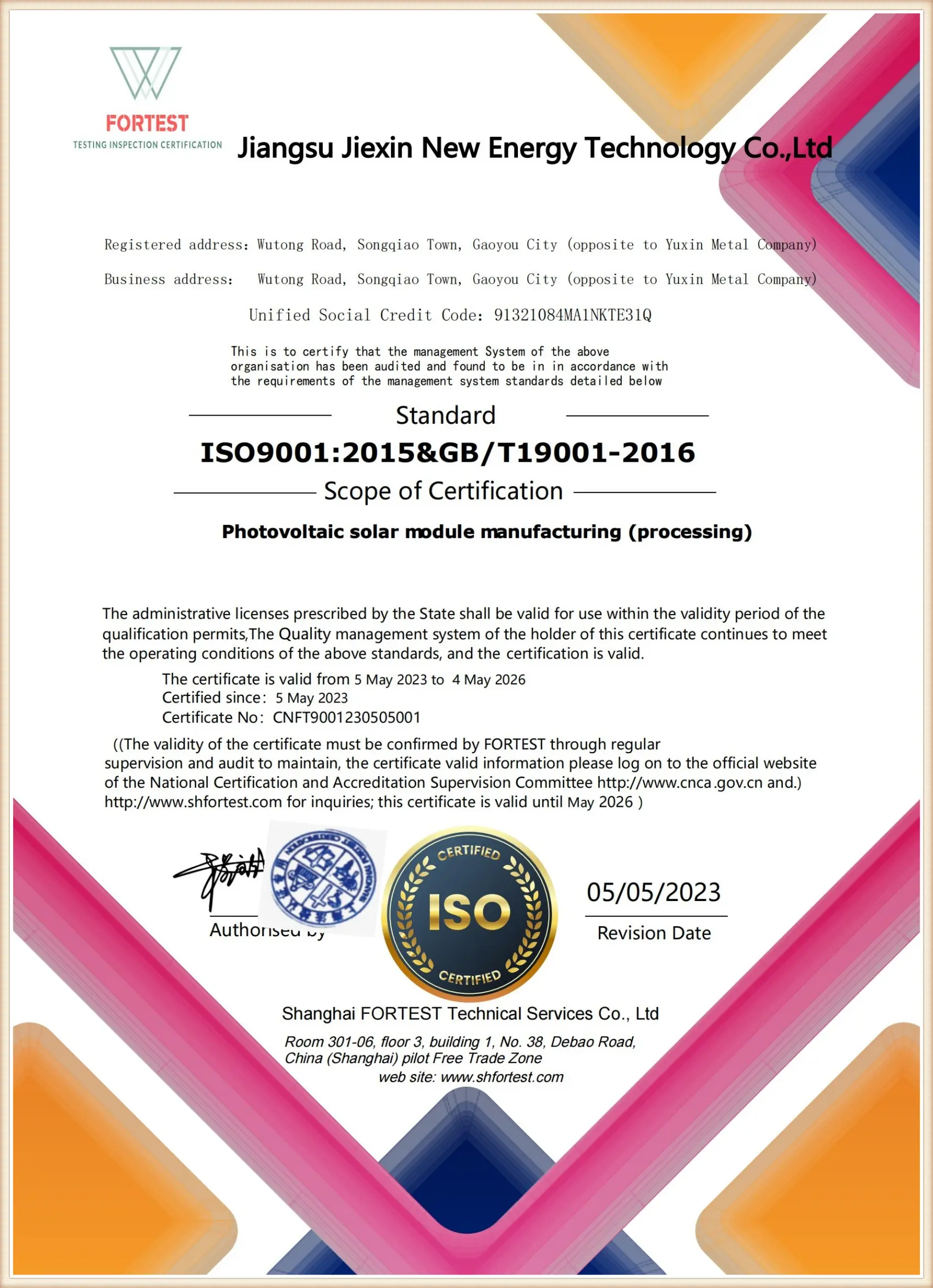
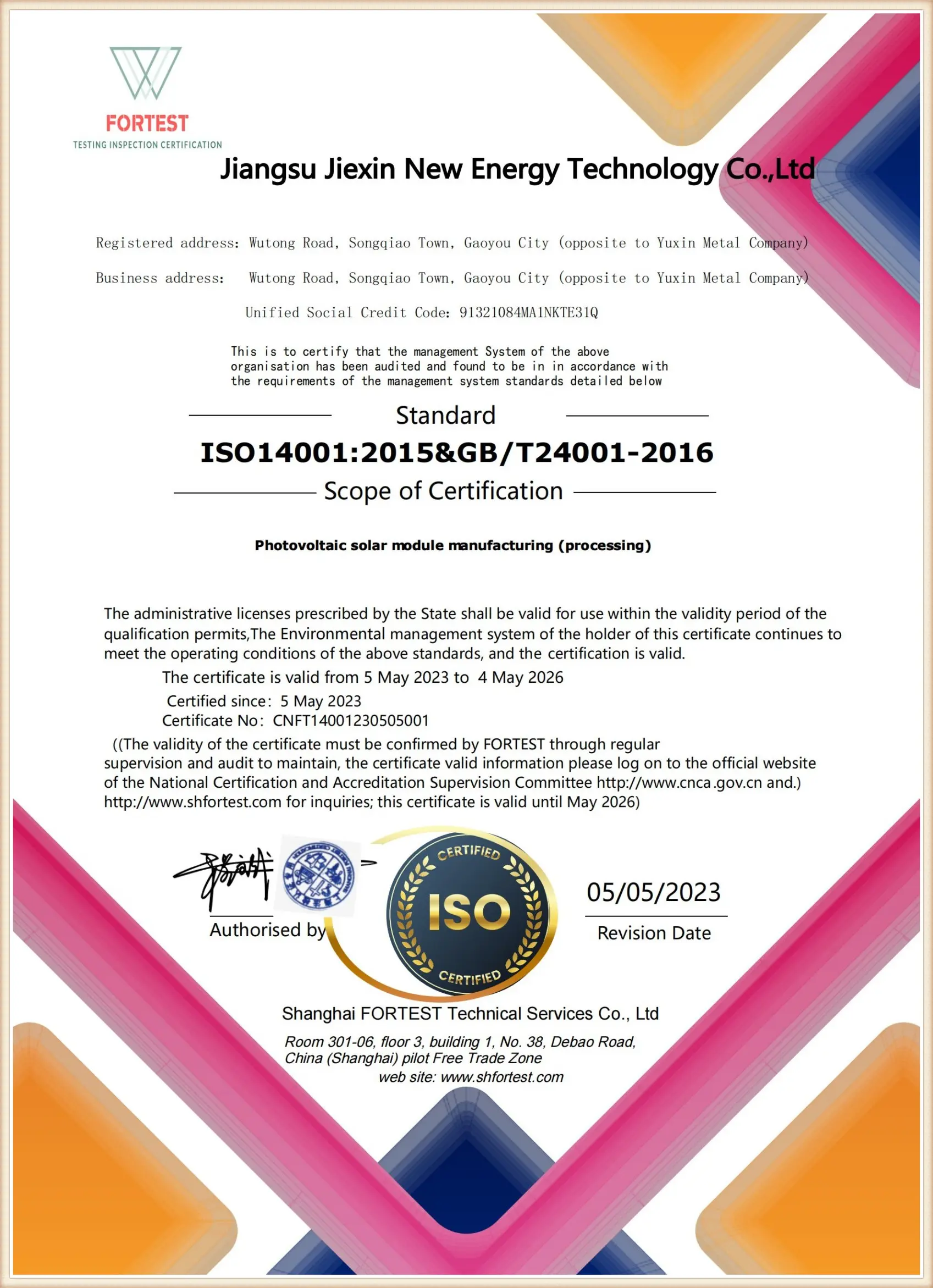
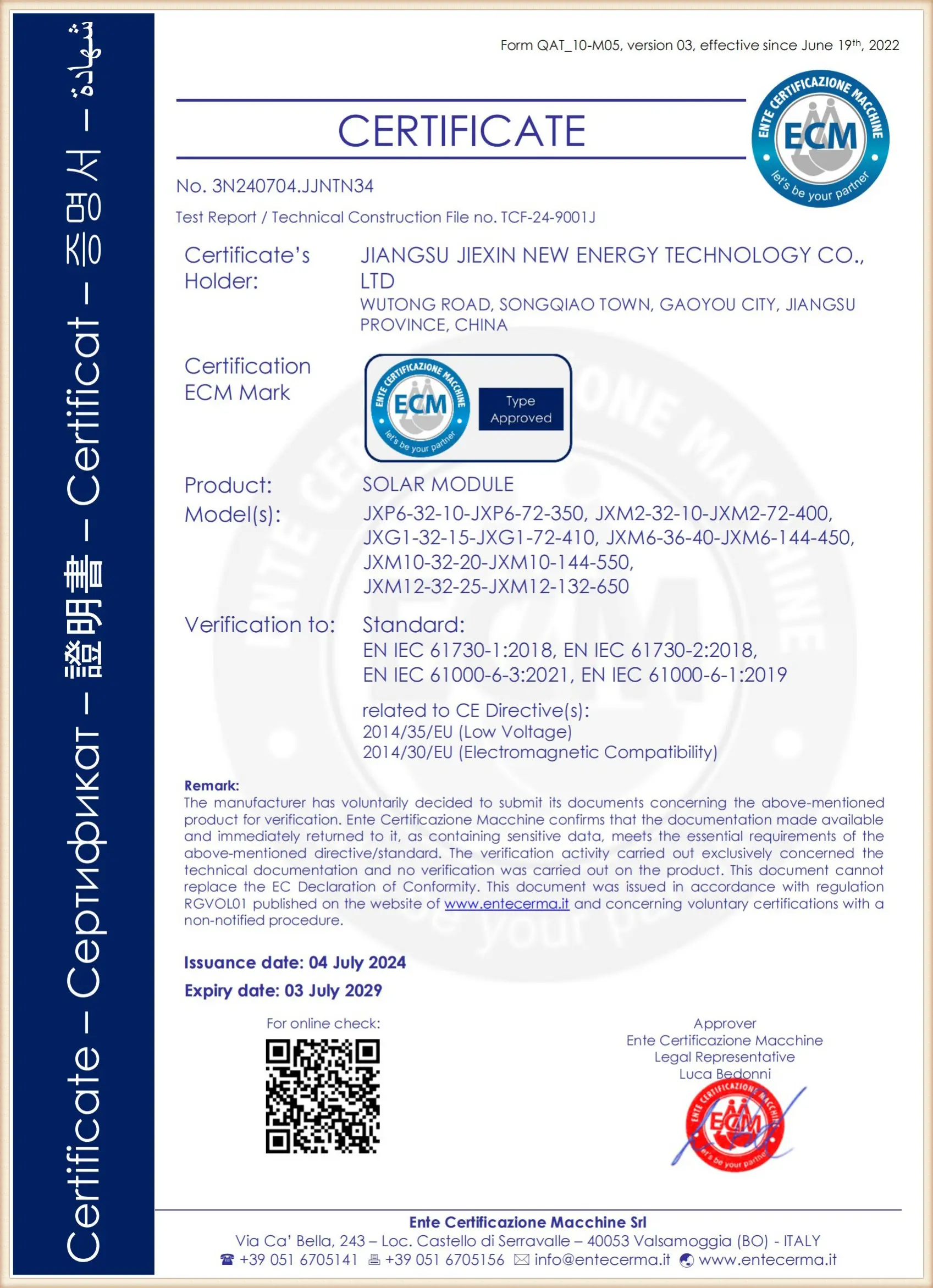
Going beyond basic timers. The integration of environmental data, solar energy storage, and industrial-grade mechanics.
Traditional sprinkler controllers rely on high continuous AC voltage to keep water valves open. Off-grid solar architectures utilize 9V or 12V DC latching solenoid systems. A brief millisecond electrical pulse switches the valve state (open/close), consuming nearly zero energy between shifts. This permits a minimal solar panel footprint to operate multiple irrigation zones successfully.
True semantic smart irrigation bypasses static timing schedules. Modern microcontrollers read dynamic localized weather data, evaluating solar radiation, humidity, ambient temperature, and wind speed. The algorithm derives real-time moisture depletion levels (evapotranspiration) to calculate exactly how much water is needed, reducing waste and protecting crops from over-saturation.
Standard lithium batteries fail rapidly under harsh sunlight and sub-zero temperatures. Industrial-grade off-grid controllers employ high-durability Lithium Iron Phosphate (LiFePO4) storage, or supercapacitors for extreme temperature profiles (-20°C to 70°C). Combined with MPPT solar tracking chipsets, the controller stays active even through continuous dark, overcast winter weeks.
No single setup fits all. Tailoring solar-driven irrigation hardware to localized environment demands.
Designed for high-heat, high-dust areas such as the Middle East, California Central Valley, and Northern Australia. Standard configurations utilize high-grade UV protection layers and dustproof seals (IP68 rating), guaranteeing that solar controllers operate uninterrupted despite direct exposure to relentless ultraviolet rays and micro-fine dust particles.
Used heavily in highway medians, corporate office parks, and city parks where pulling electrical wiring through existing pavement is cost-prohibitive. Controllers communicate with central networks using cellular IoT protocols (LTE-M/NB-IoT), allowing landscape managers to update watering routines from a cloud dashboard instantly.
Golf course microclimates vary greatly. The solar powered sprinkler controller handles high-zone segmentation to deliver water only to drier fairways and greens. Using specialized aluminum stakes and high-durability frames, these controllers blend seamlessly into turf layouts without interfering with play or upkeep machinery.
From agricultural fields to transportation systems, YUXIN products serve critical global industries.
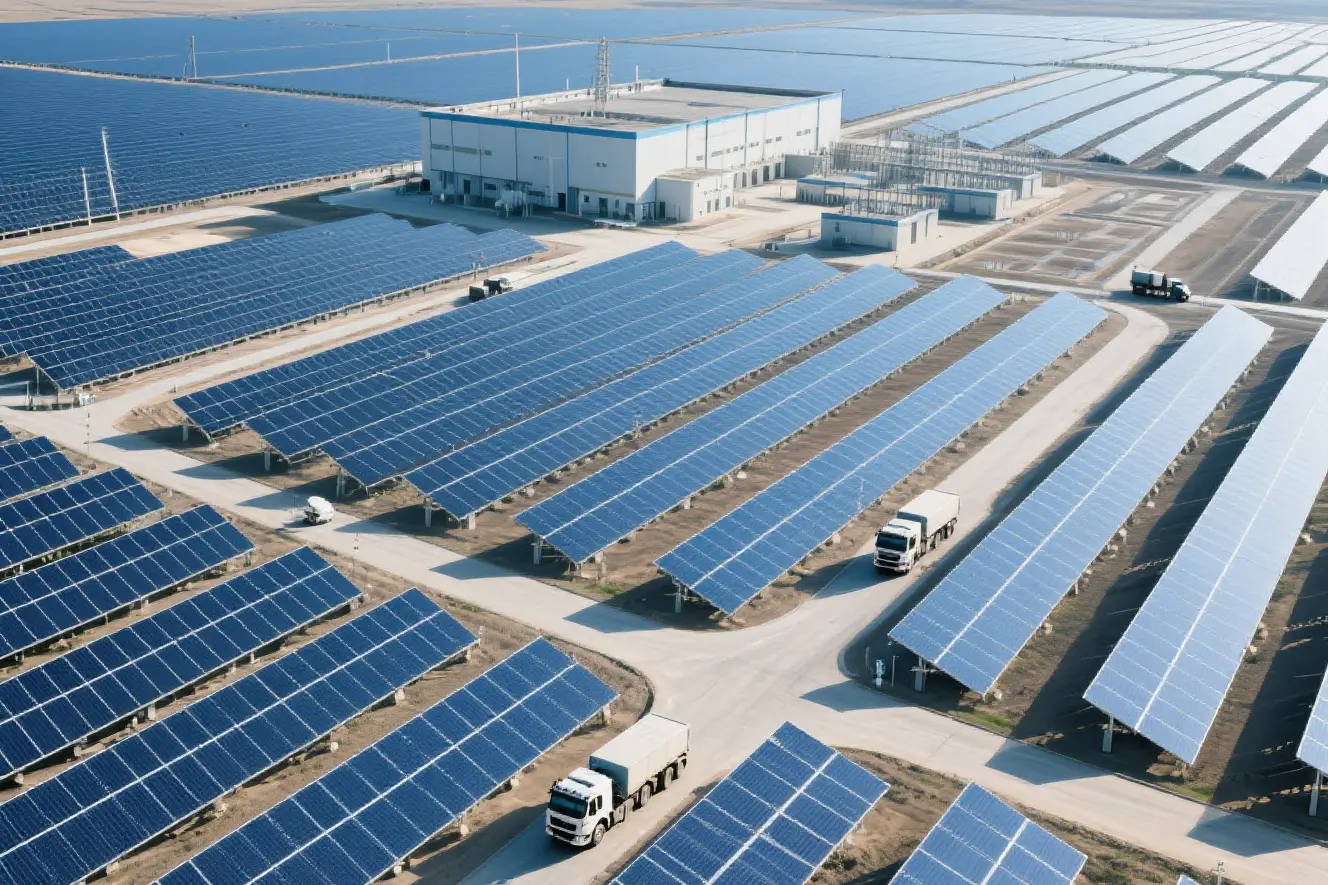
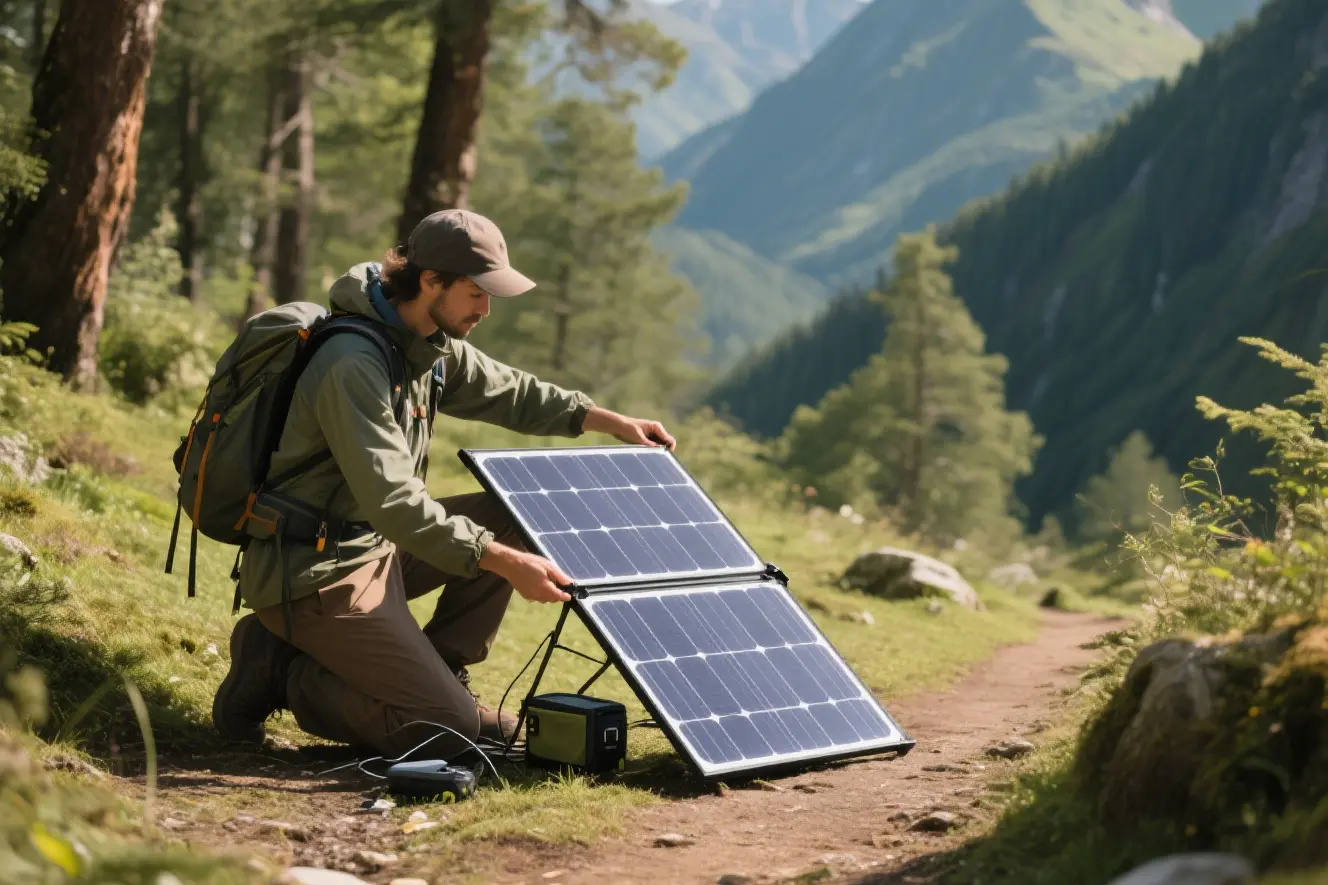
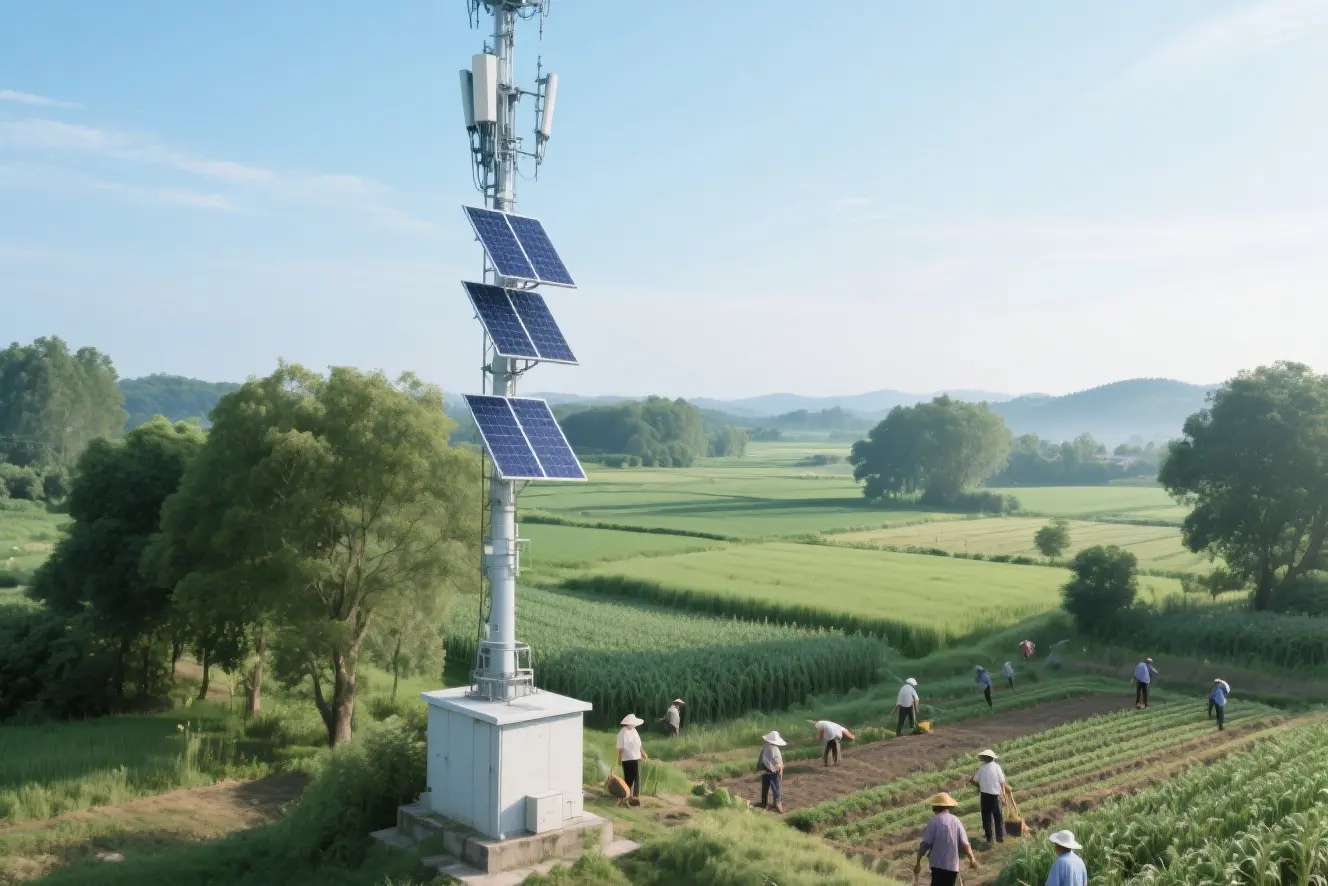
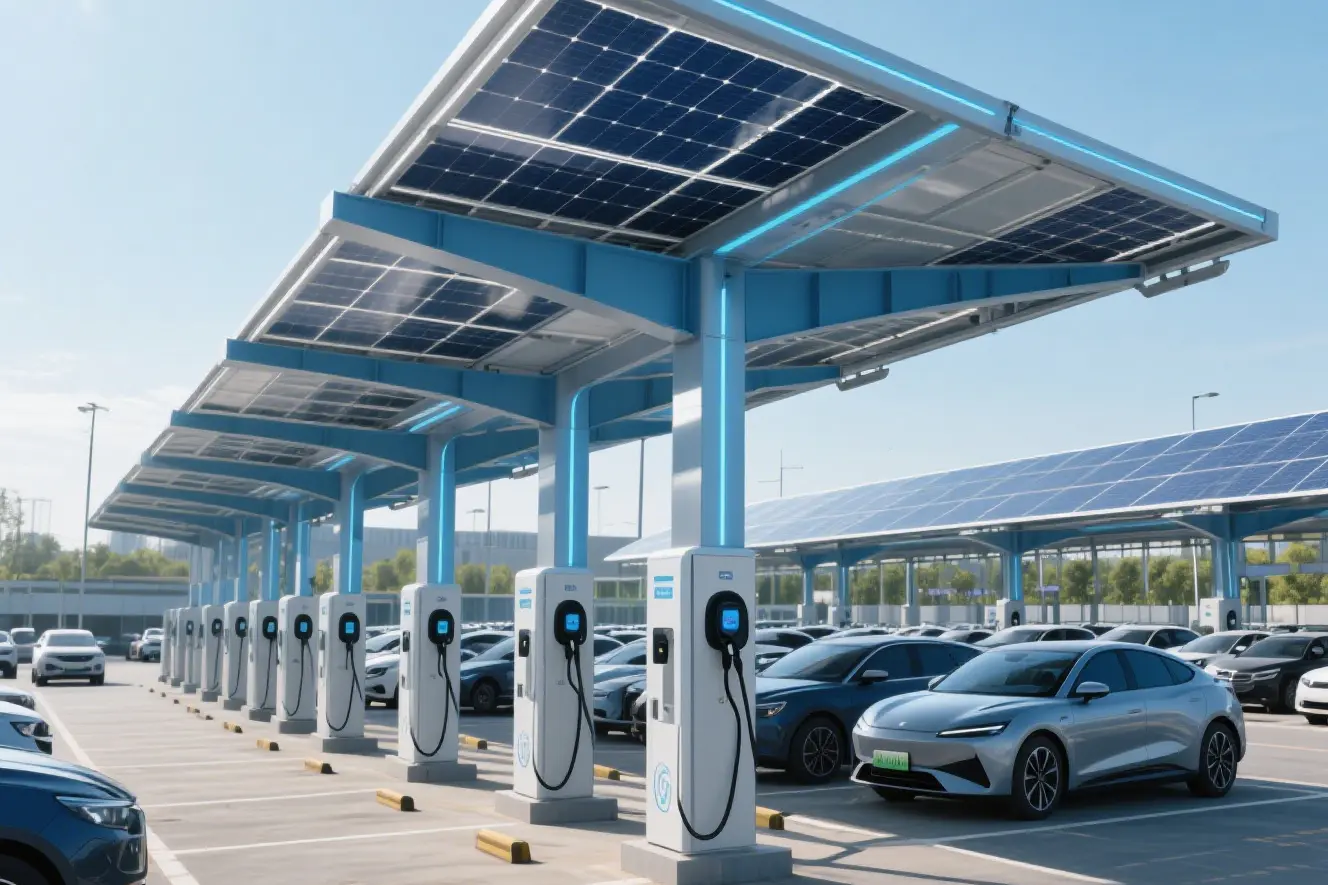
Collaboration is at the center of our development. We build strong ties with global material and solar enterprises.

Empowering customers and partners with deep domain insights on quality, materials, and technology.
Exploring how tomorrow's advancements in clean energy and artificial intelligence will revolutionize structural water deployment.
By adapting modern TOPCon bifacial cell design to local controllers, systems capture reflected light from the surrounding environment. This increases power conversion rates, reducing the physical size of panels on top of the controller housing and enabling operation under dense forest or agricultural canopies.
Future cloud irrigation setups will combine controller signals with generative machine learning platforms. Instead of scheduling irrigation purely on past data, controllers run real-time soil saturation calculations combined with deep weather patterns, adjusting water distribution up to 48 hours in advance of a rain event.
To provide reliable installations, controllers conform to CE, FCC Part 15, RoHS, and WEEE directives. The structural housing elements must utilize eco-safe polymers and recyclable anodized aluminum, satisfying green construction guidelines for LEED and international ecological building rating frameworks.
Deep answers to technical integration and architectural compatibility queries from engineering experts.
Solar-powered sprinkler controllers require 9V or 12V DC latching solenoid valves. Standard residential controllers run on continuous 24V AC power, which requires substantial energy to hold a valve open. DC latching solenoids consume power only during states transition (a quick electrical pulse to open or close). Make sure your existing valves are updated with compatible DC latching solenoids to ensure system functionality.
Using premium LiFePO4 batteries or advanced supercapacitor power arrays, our systems operate for 15 to 30 days without direct sunlight. Standby currents are limited to micro-amp ranges, waking the primary microprocessor only to trigger valve cycles or push sensor updates over telemetry networks before returning to deep sleep mode.
Yes. The integrated firmware connects with local weather APIs to monitor wind speed, rain patterns, and local temperature variations, calculating exact evapotranspiration levels. This level of control meets international smart water conservation standards, making installations eligible for LEED credits and municipal water rebate programs.
The protective enclosures use high-impact, UV-stabilized polymer blends or lightweight anodized aluminum frame materials. This shields sensitive electronics and battery arrays from UV degradation, micro-cracks, and moisture entry. Structurally sound materials ensure an IP67 or IP68 protection rate for long service lifespans.
For remote and wide-area deployments, controllers utilize LoRaWAN, NB-IoT, or LTE-M protocols. For local setups, Bluetooth or local Wi-Fi bridges allow direct parameter configuration via mobile applications without requiring external cellular connections.
Yes. Our controllers are equipped with analog and digital sensor ports. They support third-party soil moisture sensors, mechanical rain cups, freeze sensors, and pressure transducers, pausing planned water cycles immediately when sensor thresholds are reached.
Explore additional commercial components and systems to complete your off-grid infrastructure projects.