Buy Portable Camping Solar Systems: Factory Direct Prices & OEM Solutions

Global Sourcing Directory & Technical Whitepaper for Tier-1 Photovoltaic Materials and Integrated Off-Grid Energy Systems

Product Display

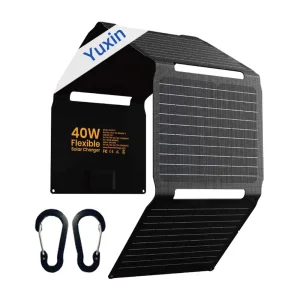
Engineered with high-grade components designed to yield optimal conversion efficiency and architectural stability.
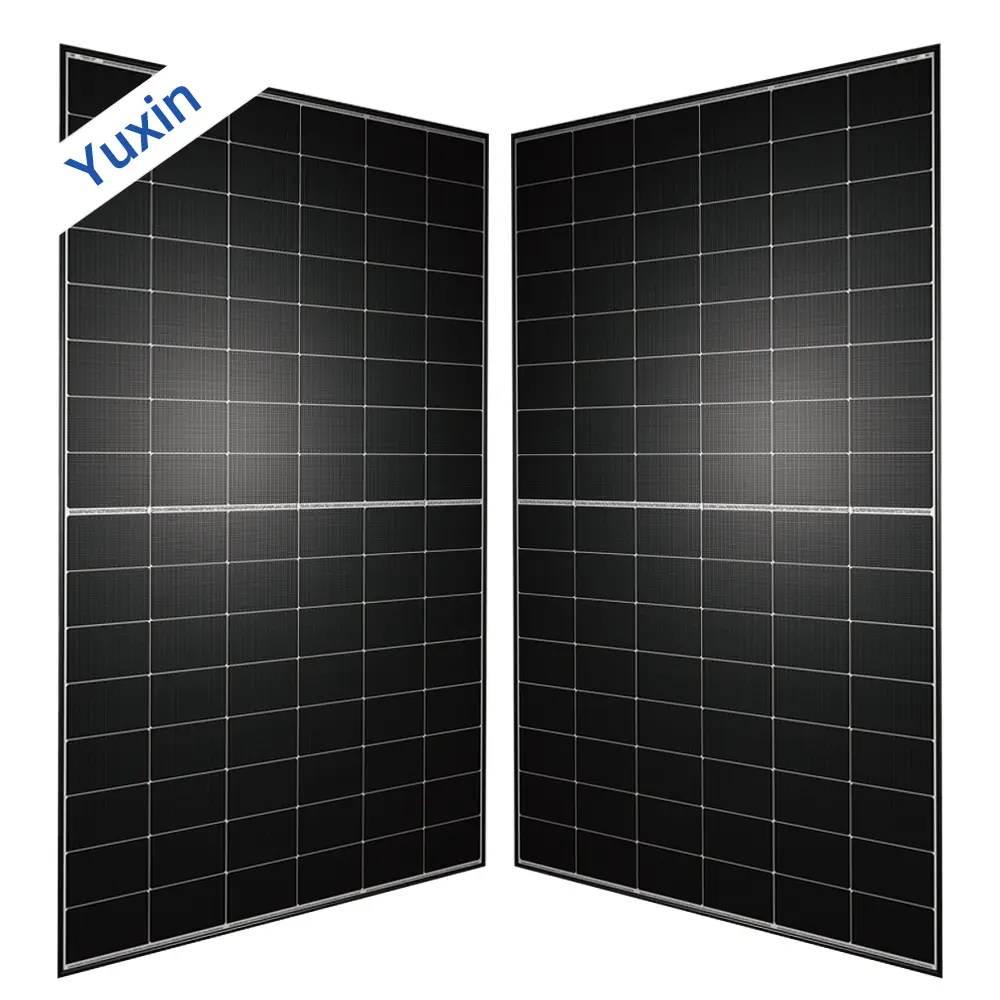
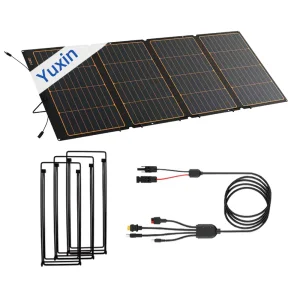
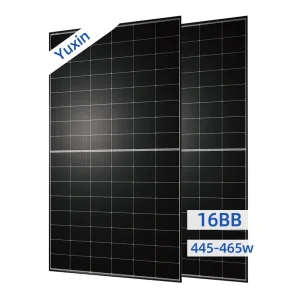
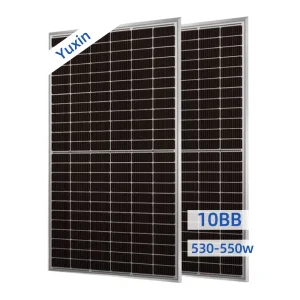
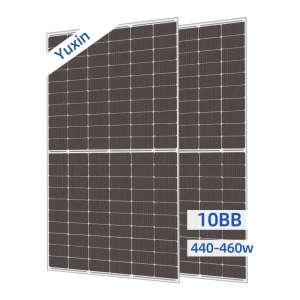
Solar Panel

Solar Panel

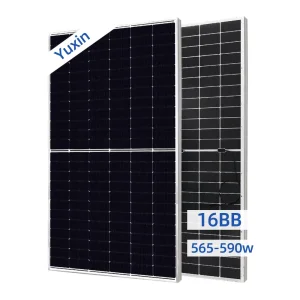
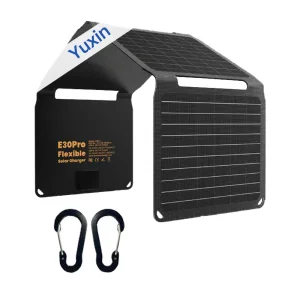
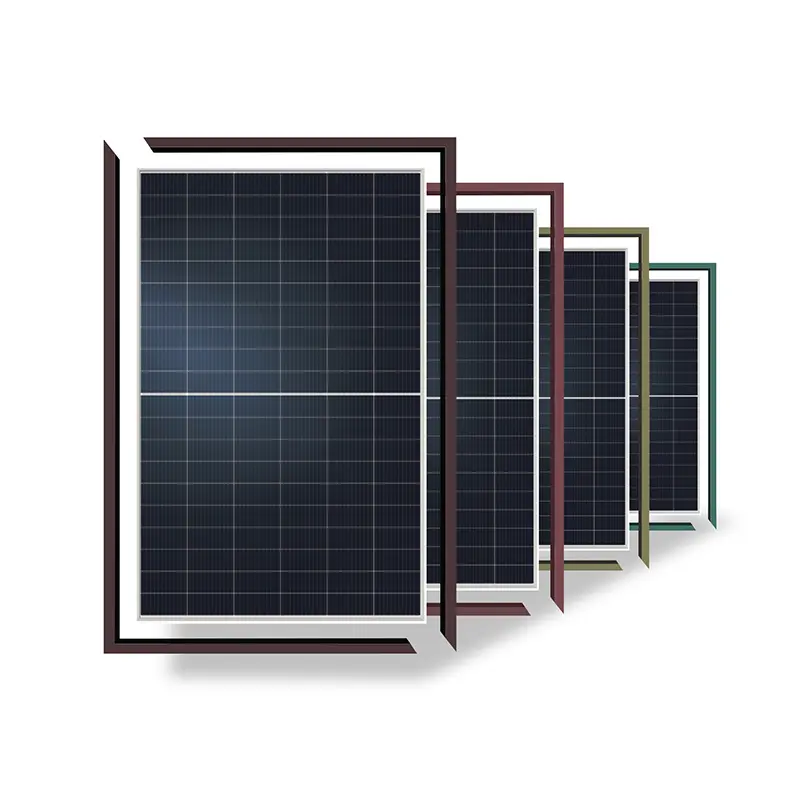
Lightweight design with transparent back panel for easy installation and reduced BOS costs.
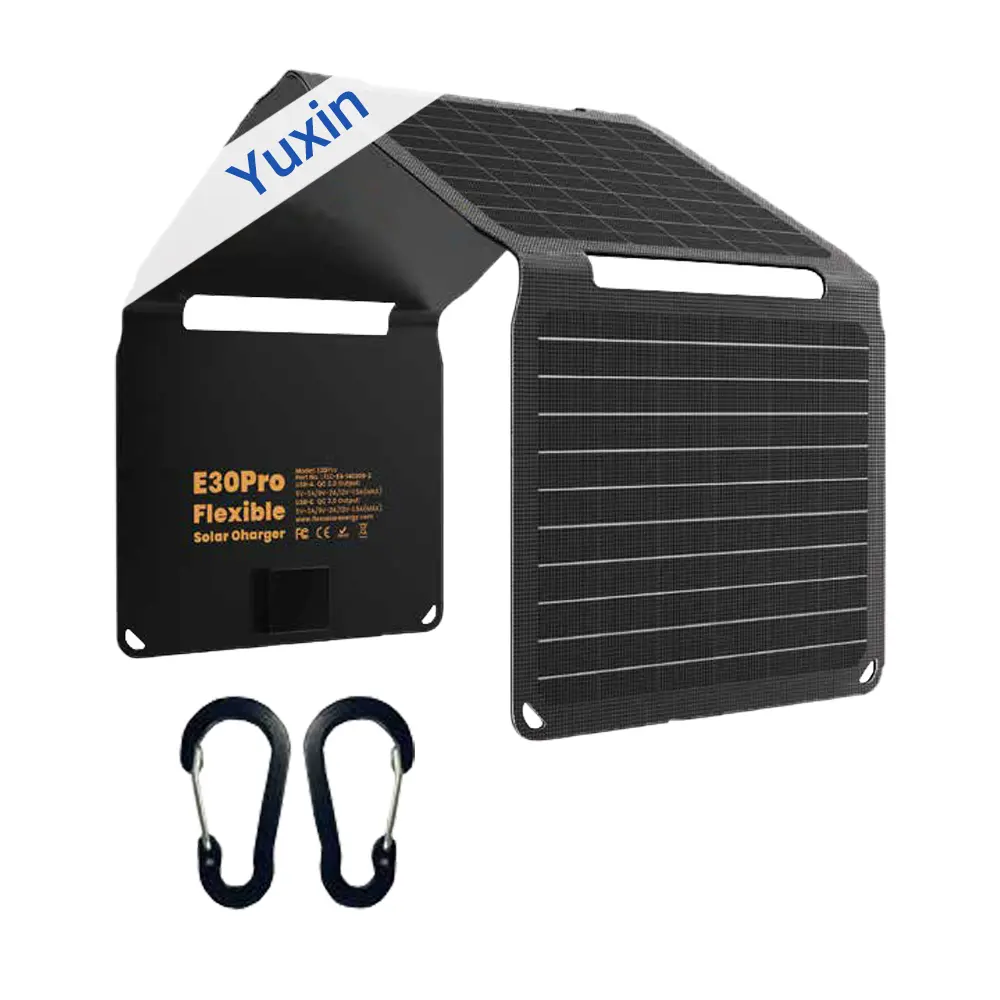
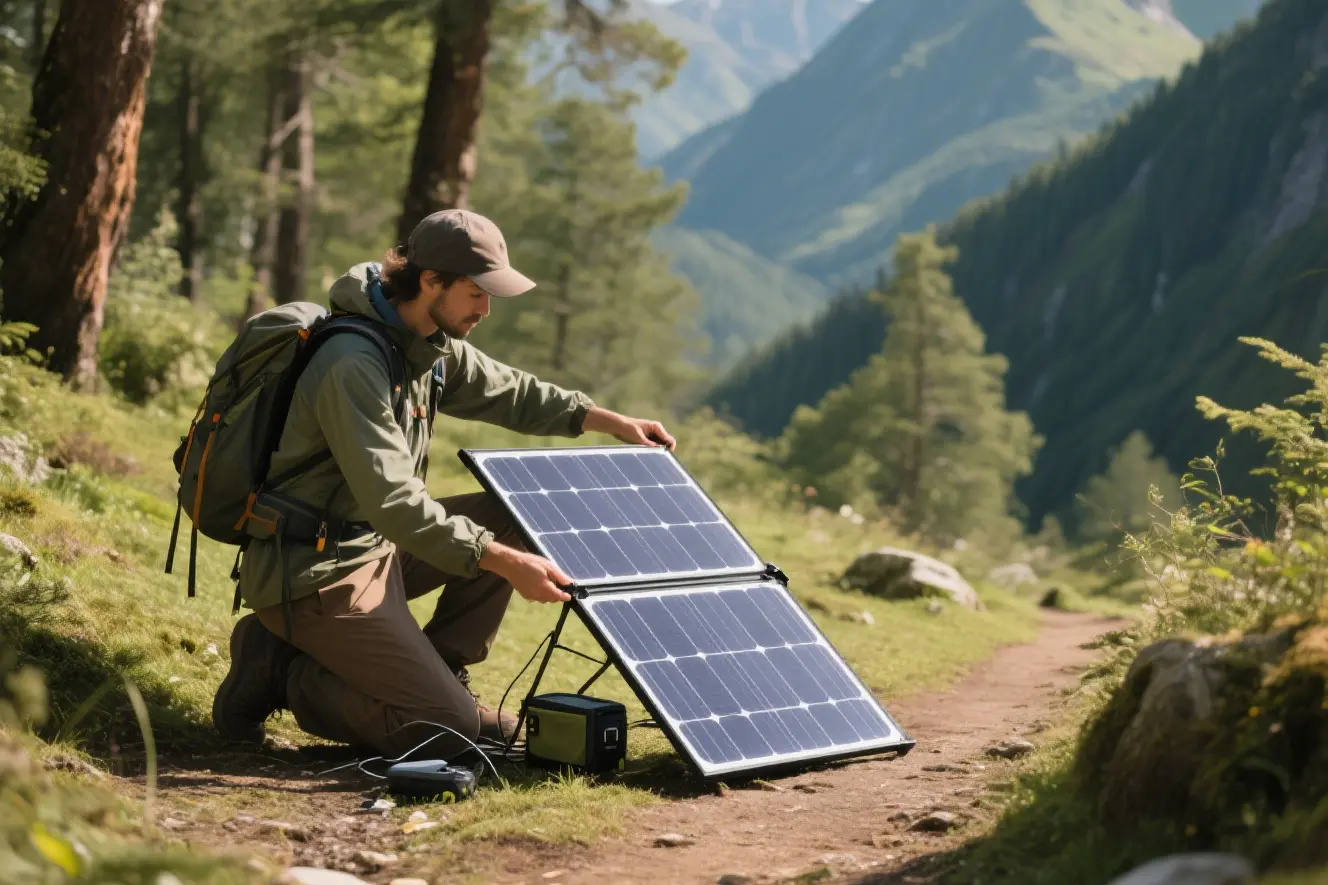
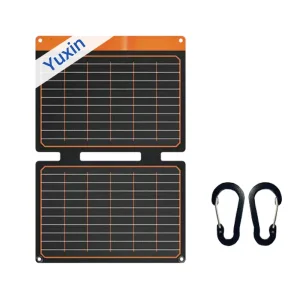
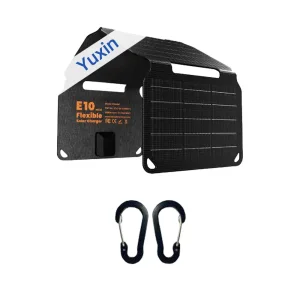
Portable Solar Charger

Portable Solar Charger

Utilizing advanced monocrystalline silicon cells, it achieves a high energy conversion efficiency of 24%.
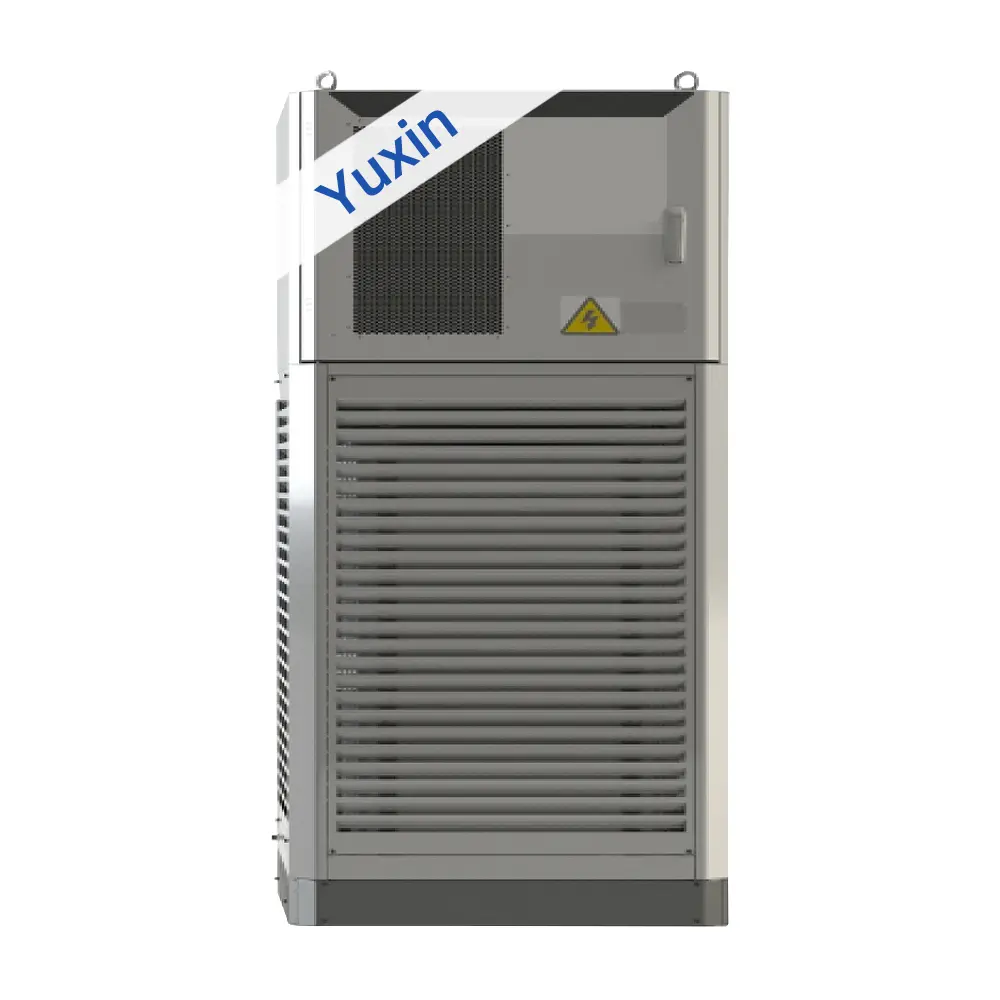
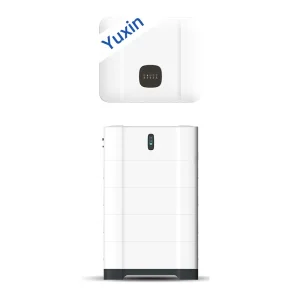
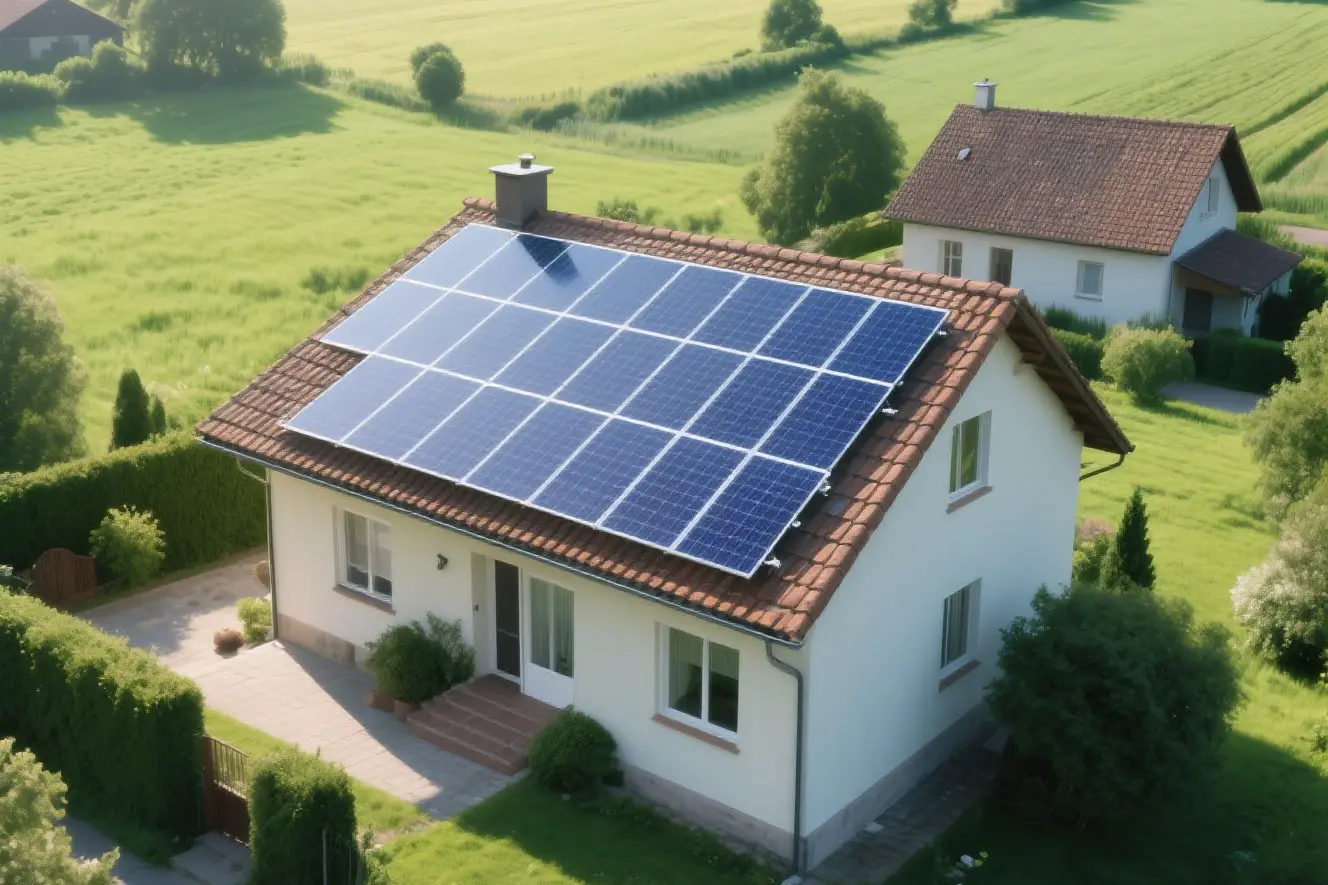
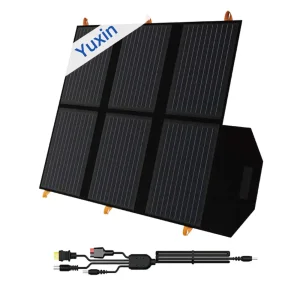
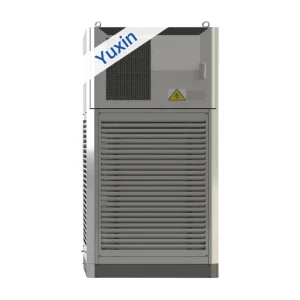
Solar System For Home

Solar System For Home

Application modes include grid-connected mode, off-grid mode, and integrated grid-connected/off-grid mode.
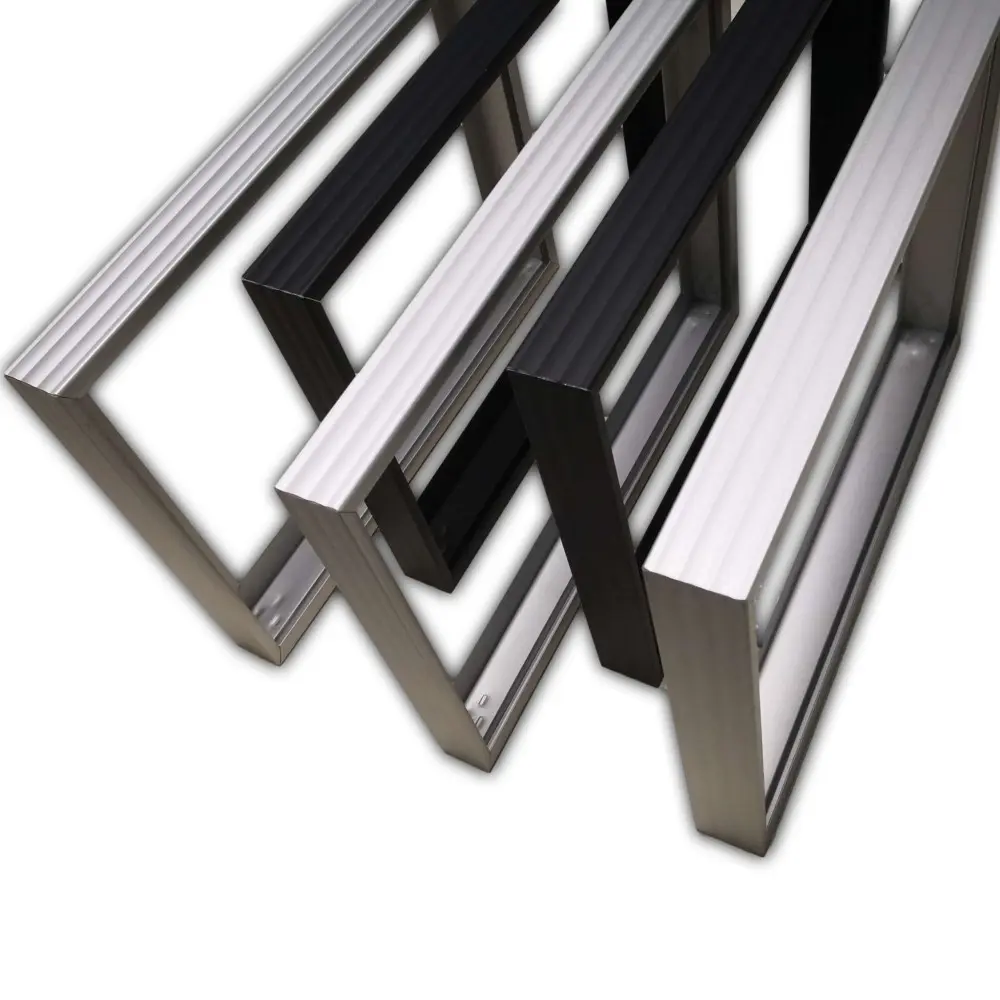
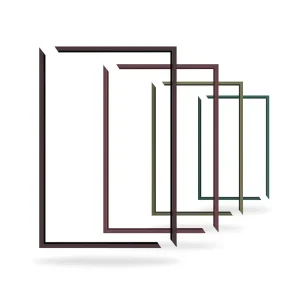
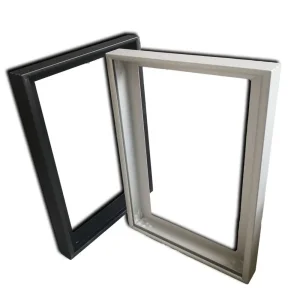
Aluminum Frames

Aluminum Frames

Made of high-quality anodized aluminum, it ensures superior weather resistance and a smooth, long-lasting finish.

Strategic Guide: Sourcing Portable Camping Solar Systems & Technical Components

The global transition toward off-grid autonomy and temporary power architectures has accelerated the demand for robust, deployable solar solutions. For institutional buyers, procurement executives, and distributors, selecting a reliable portable camping solar system is no longer simply about buying portable PV panels. It requires a detailed evaluation of structural frameworks, battery chemistries, charge controller efficiencies, and supply chain logistics. This industry guide outlines the critical variables of the off-grid solar equipment ecosystem, providing technical insights to assist in request-for-quotes (RFQs) and production planning.

1. Structural Integrity & Material Science in Portable Solar Modules

The durability of a portable solar panel under continuous handling and varying environmental conditions is primarily determined by its structural design and encapsulation materials.

  • 6063-T5 and 6005-T6 Anodized Aluminum Frames: Traditional rigid portable solar panels rely heavily on structural aluminum alloys. The 6063-T5 and 6005-T6 anodized aluminum alloys are engineered to withstand wind loads up to 2400Pa and snow loads up to 5400Pa. Anodization adds an oxide layer, providing resistance against salt-spray corrosion in coastal and high-humidity environments.
  • Polyurethane Pultruded Composite Materials: As an alternative to metal, sustainable polyurethane pultruded composite frames represent a major innovation. These composite materials offer high mechanical strength, lower weight, and excellent electrical insulation. Their low thermal conductivity prevents frame distortion under high operating temperatures, reducing mechanical stress on the encapsulated silicon cells.
🔩
6063-T5 Aluminum
High mechanical toughness, precision extrusion tolerances, and anti-corrosive properties for rugged conditions.
🌾
Polyurethane Composite
Eco-friendly pultruded polymer profile offering lightweight construction and superior thermal-insulation values.
☀️
TOPCon & PERC Cell Tech
Transitioning from PERC to N-type TOPCon, raising cell conversion efficiencies past 25% with minimal degradation.

2. Monocrystalline Efficiency: From PERC to N-Type TOPCon Technology

When purchasing portable camping solar systems, the surface-area-to-power ratio is a key consideration. Camping solar systems must be compact and generate maximum power in limited space. The transition from P-type PERC (Passivated Emitter and Rear Cell) technology to N-type TOPCon (Tunnel Oxide Passivated Contact) cell architectures has improved the performance of portable setups:

N-type TOPCon Cells utilize a thin tunnel oxide layer to reduce carrier recombination. This raises the practical conversion efficiency of portable modules past 24.5%, compared to the 21% limit of older PERC designs. N-type modules also feature a lower temperature coefficient (-0.30%/°C) and lower Light-Induced Degradation (LID), ensuring steady power generation even in hot, exposed camping environments.

3. Key Advantages of Partnering with Chinese Factories

China's dominance in the photovoltaic supply chain offers clear benefits for international purchasers. Jiangsu Province, and particularly the industrial corridor of Yangzhou, is home to integrated manufacturing hubs that provide:

  • Vertically Integrated Supply Chains: Silicon ingot pulling, wafer slicing, cell fabrication, pultrusion molding, aluminum extrusion, and assembly lines are situated close to each other. This reduces transport costs and accelerates custom OEM/ODM production.
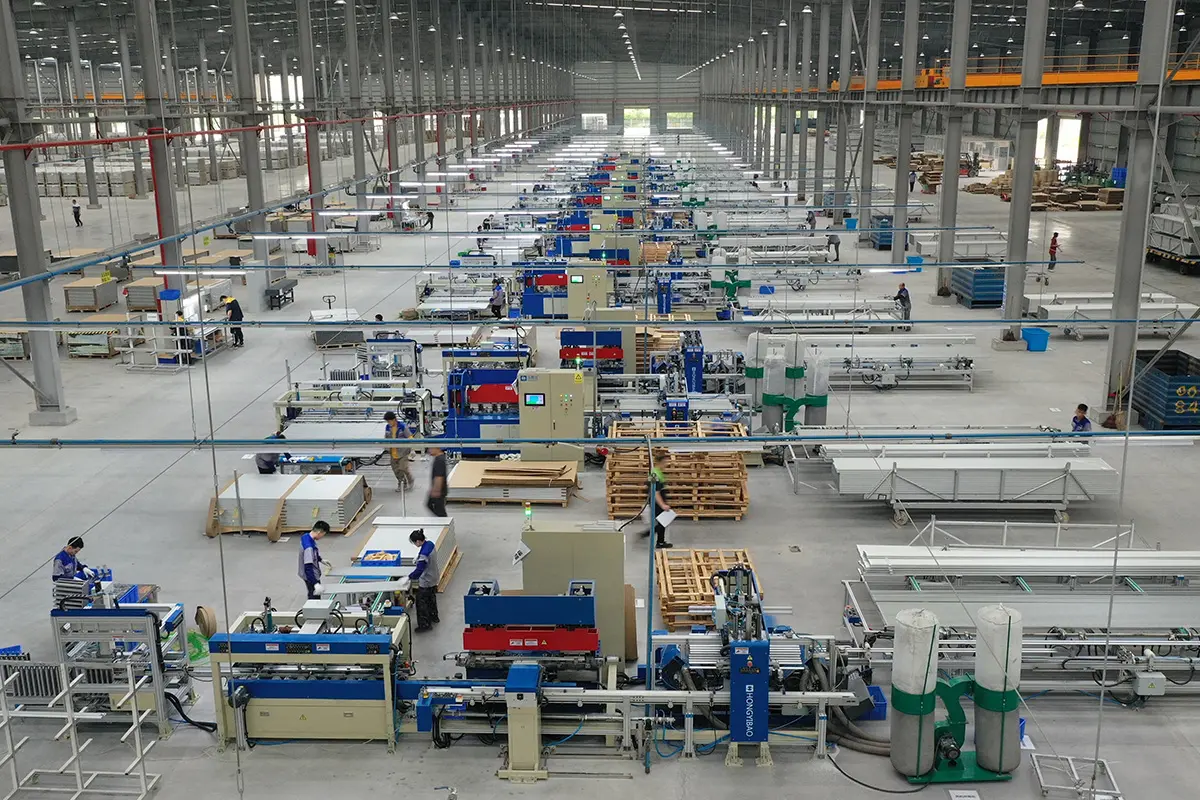
  • Advanced Automation and Scale: Chinese manufacturers use high-precision robotic assembly and automatic optical inspection (AOI) lines. This ensures consistent quality across large-volume orders.
  • Flexible OEM/ODM Capabilities: Factories can quickly customize specifications, such as modifying frame profiles, adapting MC4 wiring setups, adjusting charge controller protocols, and printing private labels.

4. Macro-Industry Solutions & Global Procurement Requirements

Global procurement managers must evaluate several factors when sourcing off-grid solar equipment:

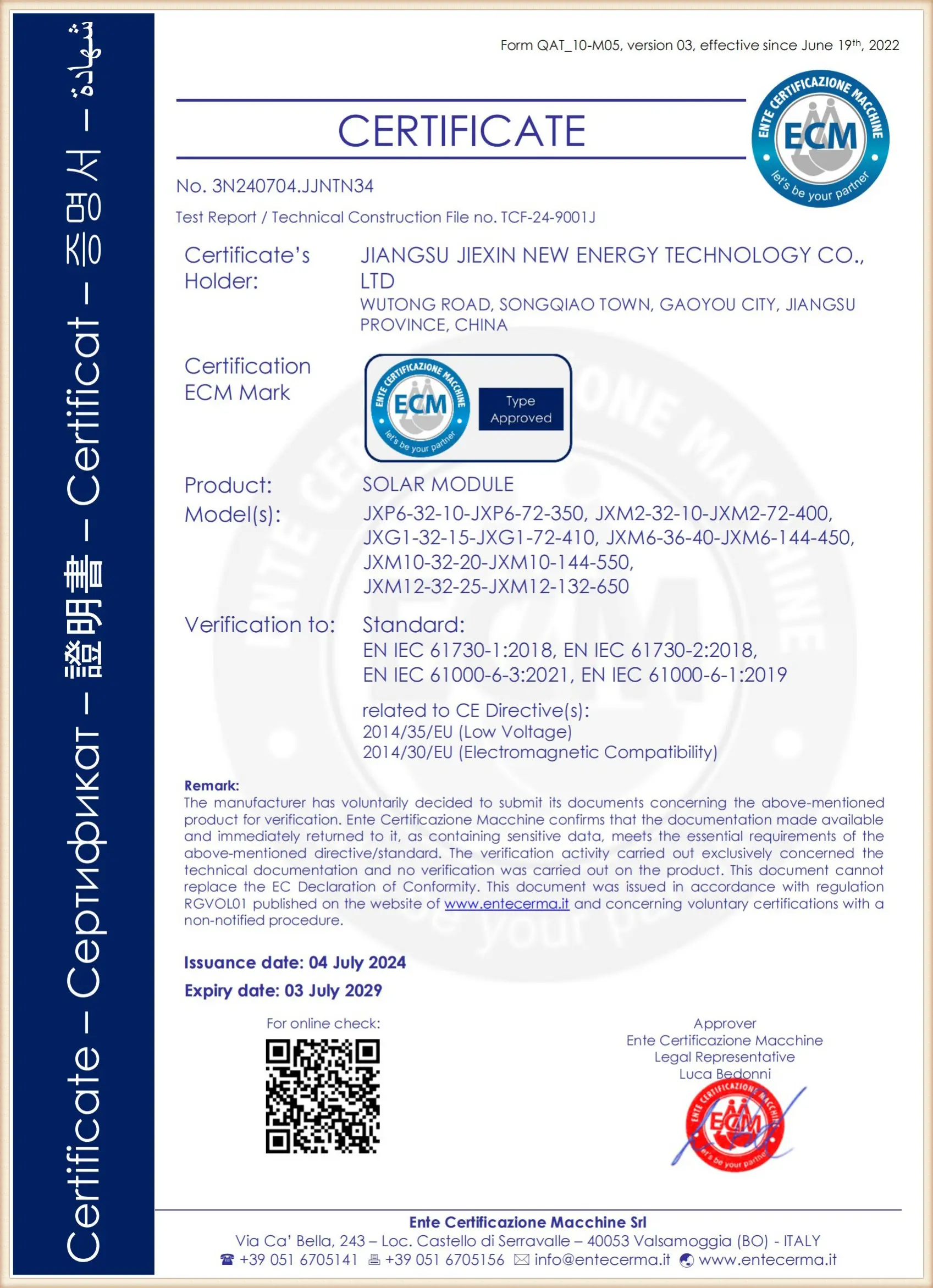
  • Regulatory Certification: Products must comply with safety and performance standards like CE (LVD/EMC), IEC 61215, IEC 61730, RoHS, and UL certification. This is essential for clean customs clearance and compliance in European and North American markets.
  • Supply Chain Transparency & Quality Control: Buyers require complete material traceability, including raw ingot origin certificates, anodization depth tests, and EL (electroluminescence) imaging to detect micro-cracks before dispatch.
  • Custom Logistics & Packing: Because solar systems include lithium-ion batteries and glass panels, they require specialized packaging. Pallets must be designed to absorb vibrations during transport and must comply with UN38.3 packaging standards for shipping hazardous materials.

Whitepaper Sections

Direct RFQ Service

Send your specifications directly to our engineering division in Yangzhou for customized quotes.

Submit RFQ Now

About YUXIN

Precision, Quality, and Safety - Your Photovoltaic Materials Expert

Located in the scenic historical and cultural ancient city of Yangzhou, close to the Beijing-Shanghai Expressway, Runyang Yangtze River Bridge, and Ningqi Railway, the group has a superior geographical location and convenient transportation. The group was established in 2008 and has 14 multi-field companies under its jurisdiction, including Jiangsu Yuxin New Energy Technology Co., Ltd., and has won many titles such as National High-tech Enterprise, Technology-based Enterprise, and Gaoyou City Top 100 Private Enterprises.
View More Company History
21+
Production Lines
$86M+
Sales Revenue
12,000t
Export Volume
25,000t
Annual Output

Industry Applications

Deploying dependable off-grid solar infrastructure across multi-sector applications globally.

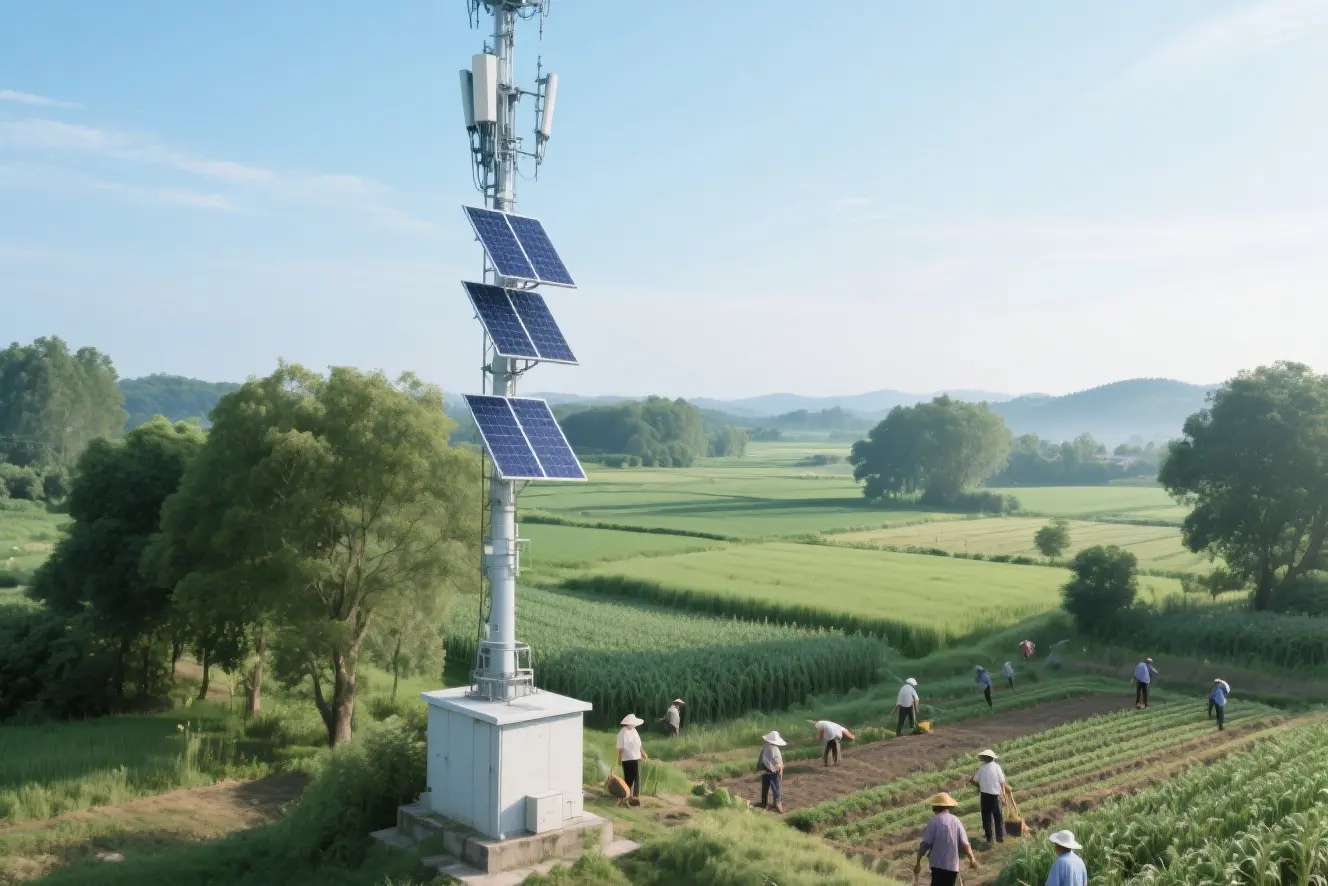
Agriculture

Agriculture

Construction

Construction Industry

Electric Power

Electric Power Industry

Outdoors

Outdoors

Telecommunications

Telecommunications Field

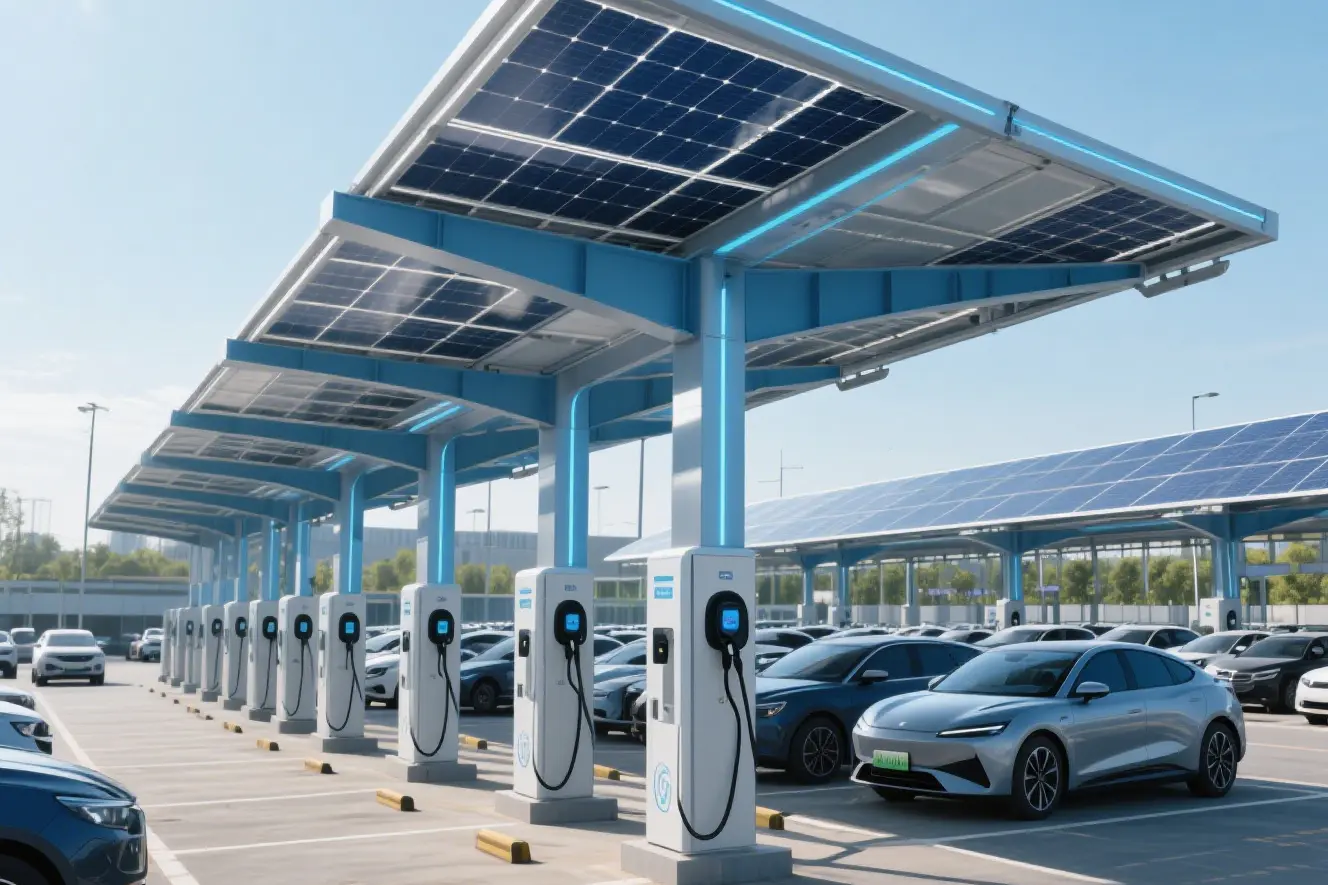
Transportation

Transportation Industry

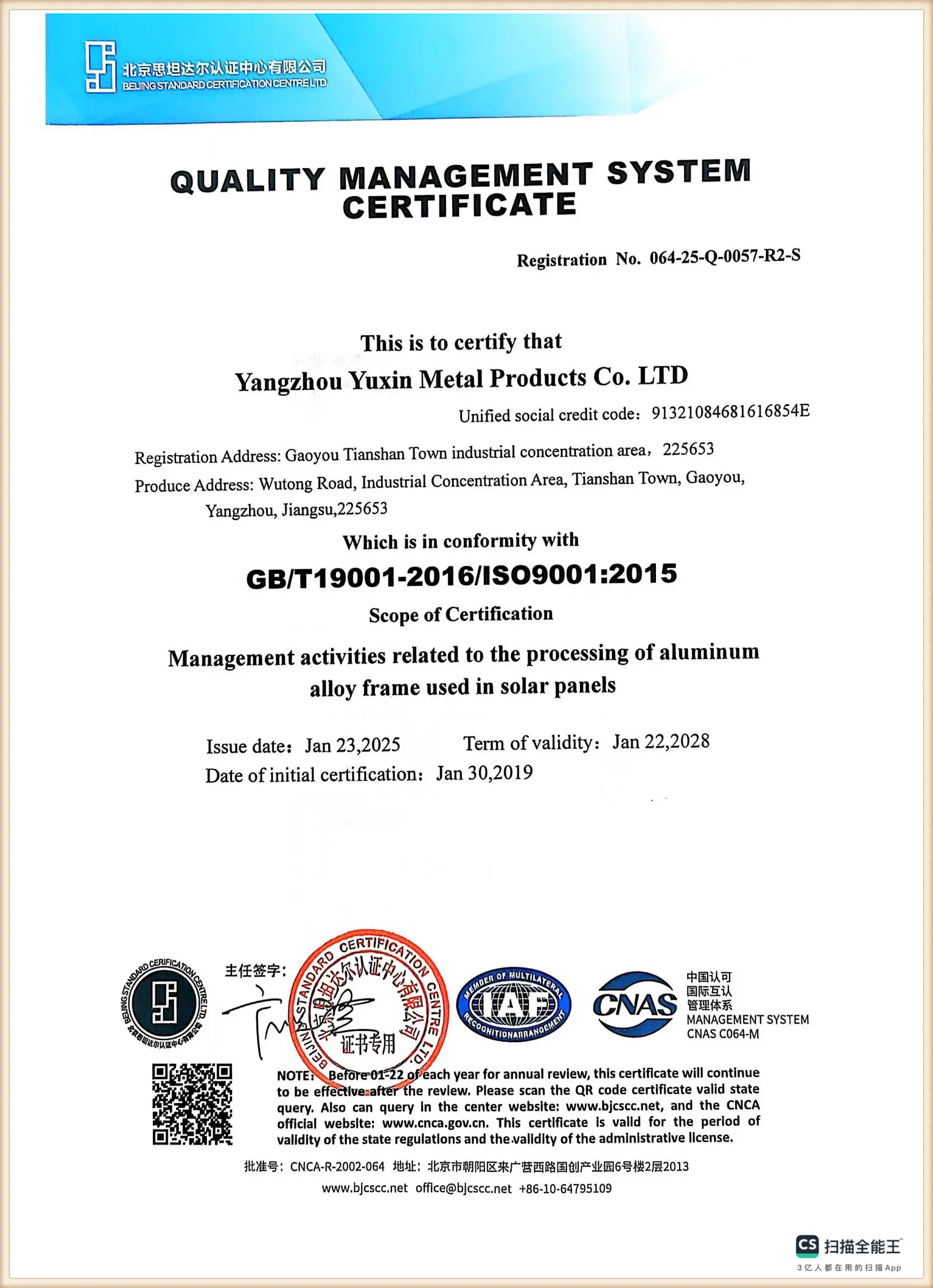
International Certifications

Our manufacturing practices and system products comply with global standards, ensuring safety, reliability, and simplified import procedures.
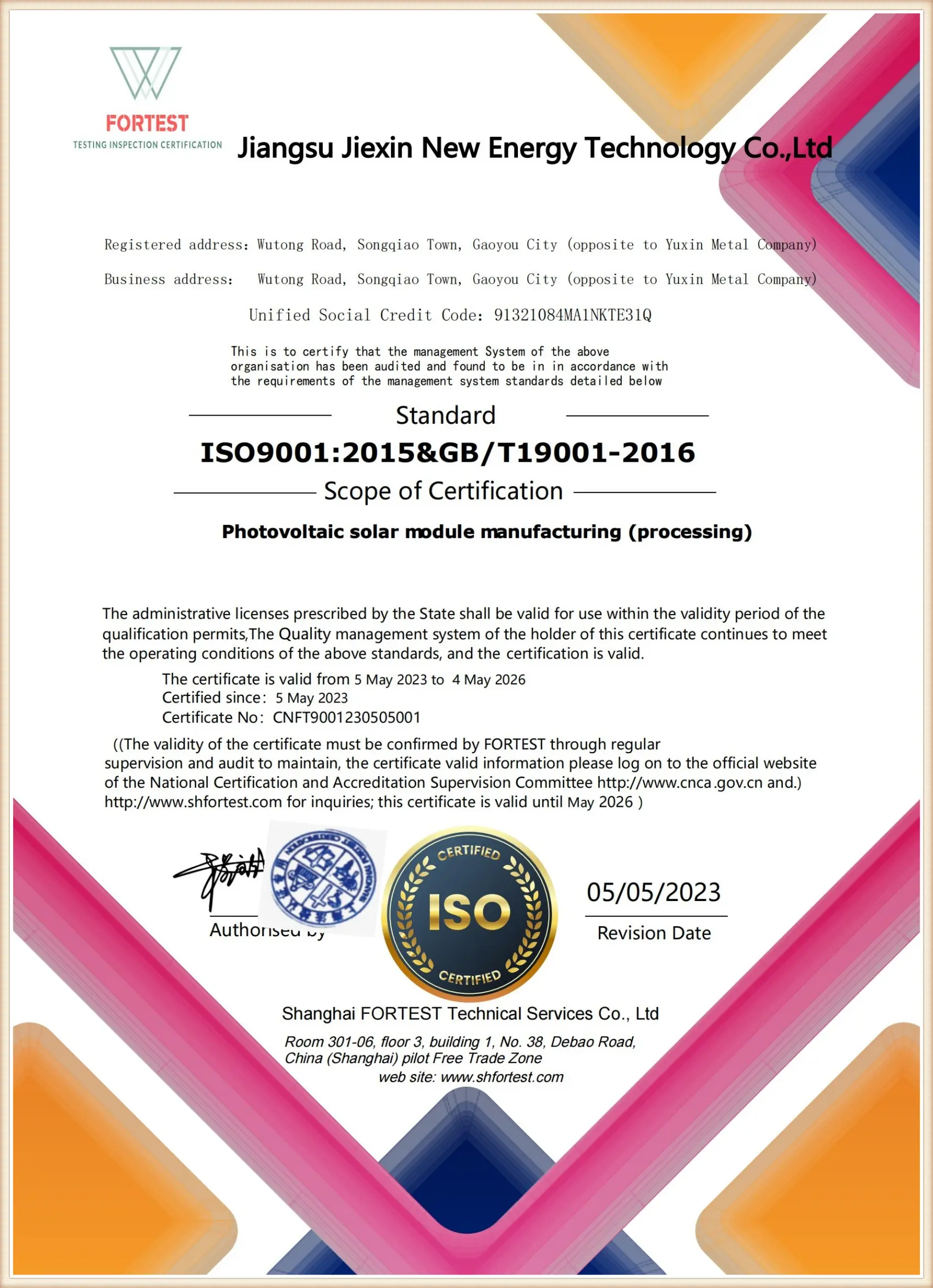
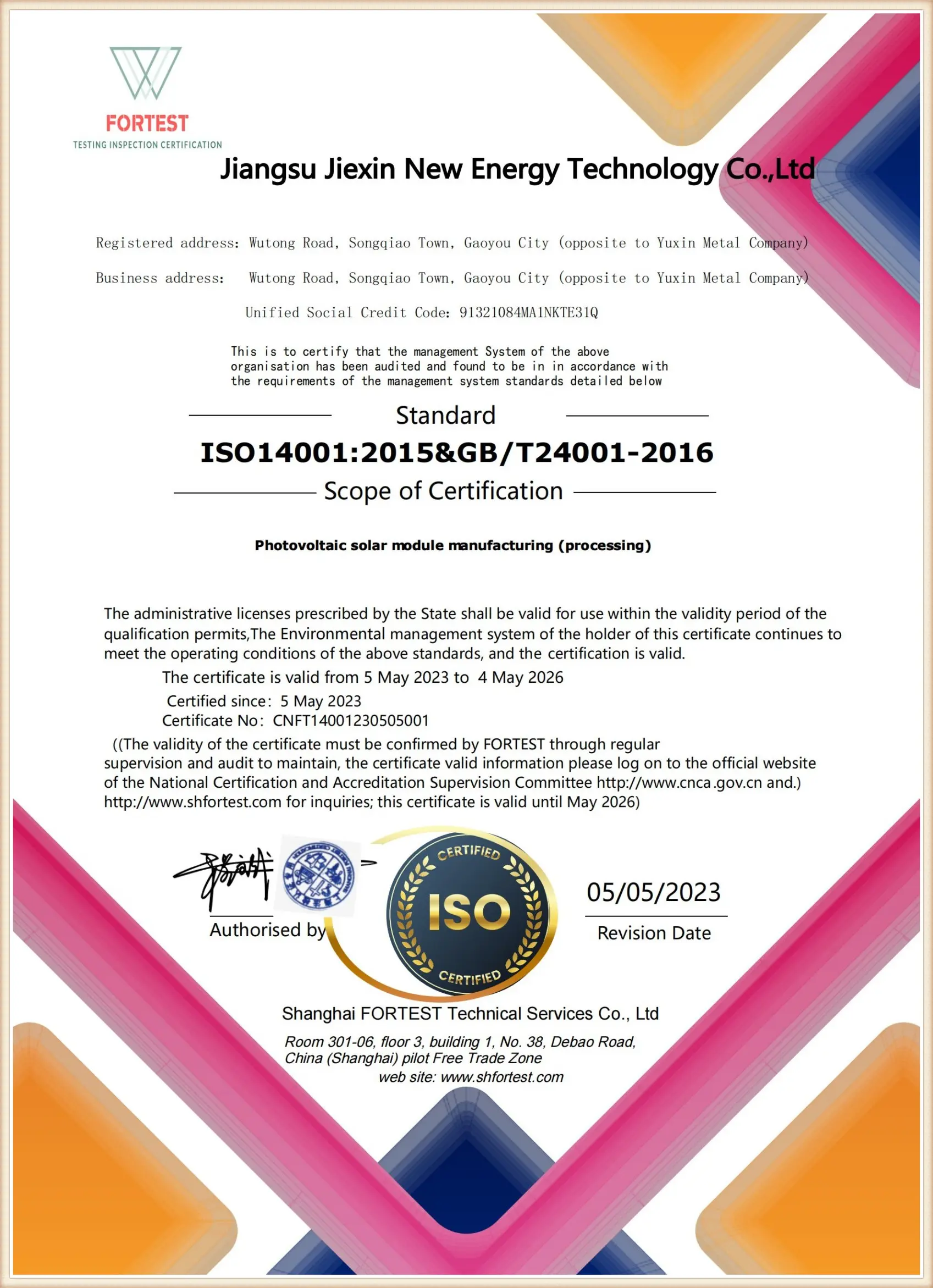
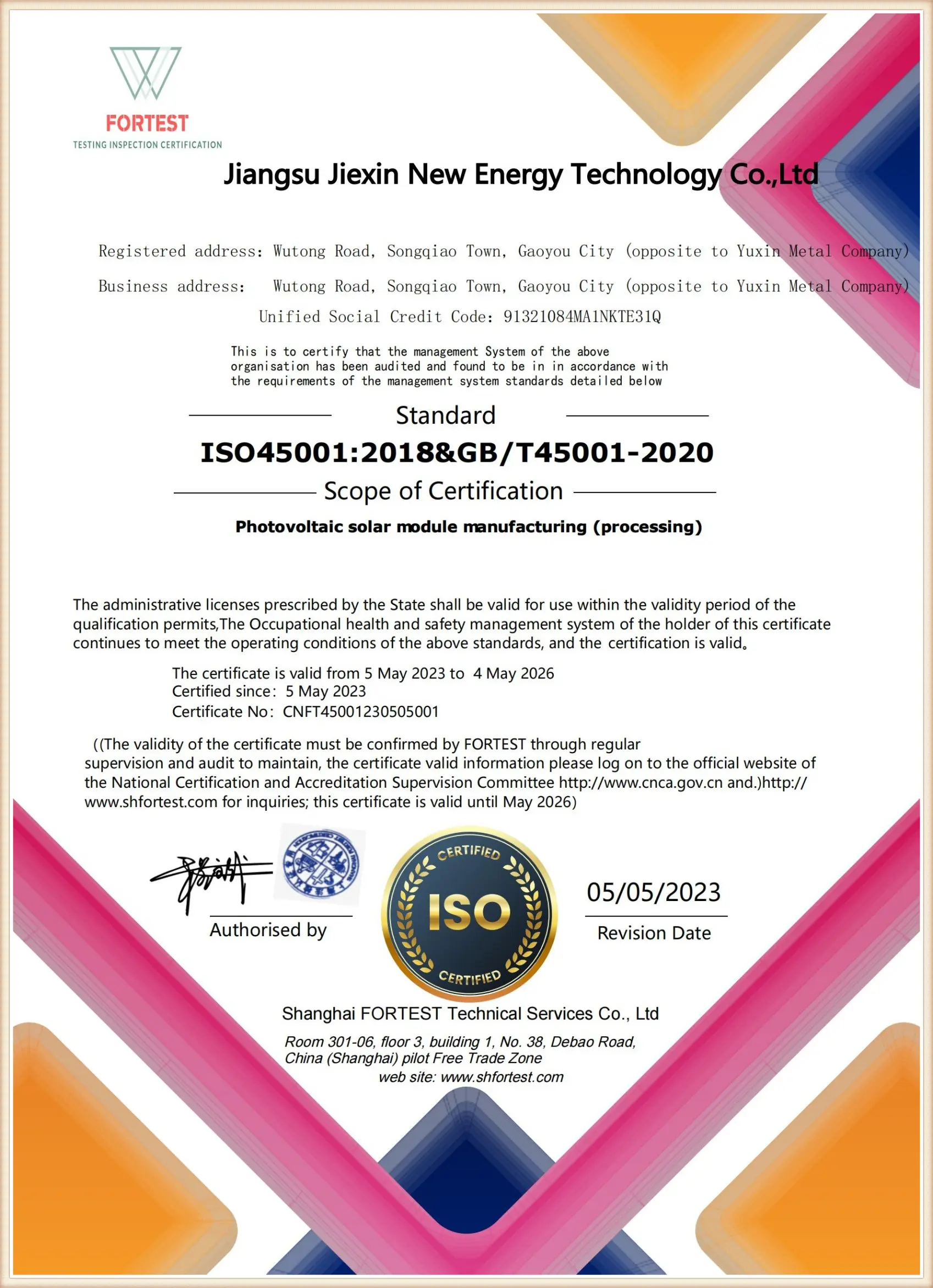
Certification 1
Certification 2
Certification 3
Certification 4
Certification 5

Business Partners

Over a decade of close cooperation with leading regional distributors and commercial clients globally.
Latest News & Engineering Blog

Technical articles and updates on global standards for solar component frames and photovoltaic integration.
Solar Panel Frame Quality
2026-06-16

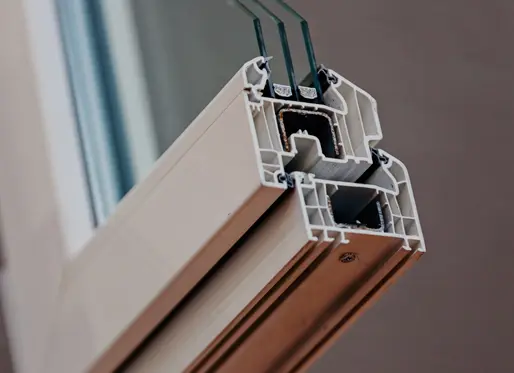
What Makes a High-Quality Solar Panel Frame?

View More Details →
OEM Solar Frame Selection
2026-06-15

How to Choose a Reliable OEM Solar Frame Manufacturer in China

View More Details →
Frame Quality Inspection
2026-06-14

Solar Panel Frame Quality Control: Key Inspection Standards Explained

View More Details →

Procurement Q&A: Sourcing Portable Solar Systems

Technical answers to help buyers evaluate quality, request quotes, and manage import compliance.

Q: What is the advantage of 6063-T5 aluminum for camping solar panel frames?

A: 6063-T5 aluminum alloy offers the ideal balance of mechanical strength, corrosion resistance, and extrusion performance. Anodizing ensures protection in harsh outdoor and marine conditions, while keeping the structure lightweight and easy to handle.

Q: How do polyurethane composite frames compare to aluminum frames?

A: Polyurethane composite frames provide superior electrical insulation, low thermal conductivity, and reduce the overall weight of the panel. They also feature lower carbon emissions during manufacturing compared to aluminum extrusion processes, making them a preferred option for eco-conscious projects.

Q: What should be included in an RFQ for portable camping solar systems?

A: A detailed RFQ should specify: target cell efficiency (e.g., N-type TOPCon vs. PERC), power output rating (e.g., 40W to 445W+), frame material specifications, required certifications (such as CE, IEC, and RoHS), packaging and shipping standards (like UN38.3 for integrated lithium batteries), and your target order volume (MOQ).

Q: Why is Yangzhou a preferred hub for sourcing PV components?

A: Yangzhou offers an established industrial cluster with access to raw materials, extrusion facilities, and composite research centers. Its proximity to Shanghai and Ningbo ports also simplifies logistics, lowering transit times and shipping costs for global buyers.