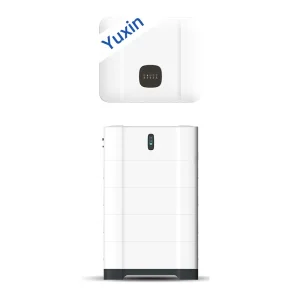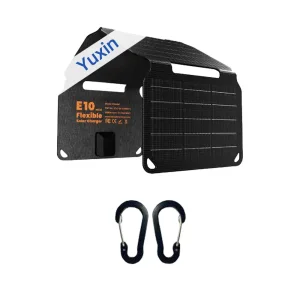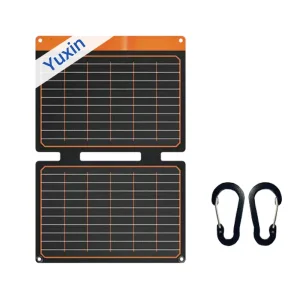
Explore our highly integrated solar panels, portable generation kits, and backup batteries designed to deliver continuous power during structural utility load-shedding cycles.
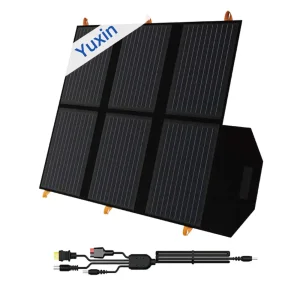
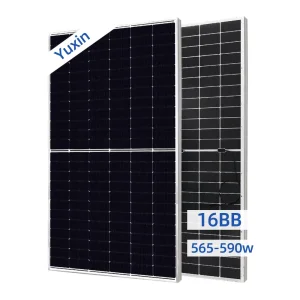
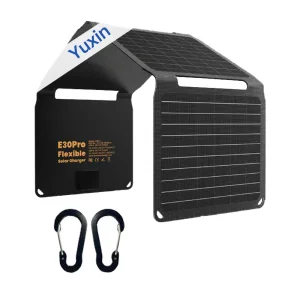
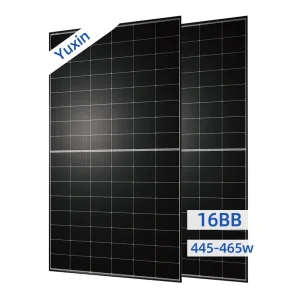
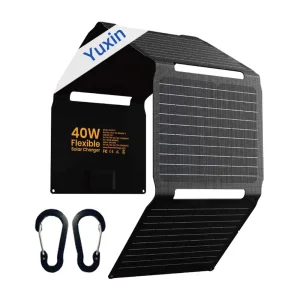
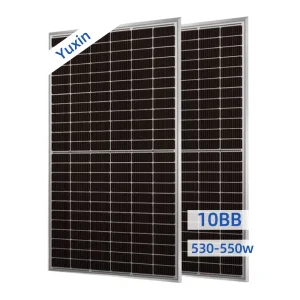
Analyzing grid vulnerabilities, energy management topologies, and procurement dynamics for industrial and residential utility resilience.
In the contemporary landscape of power grid distribution, "load shedding" has shifted from an occasional emergency measure to a structured, daily operational constraint for millions of enterprises. Grid stress points originate from a multi-faceted matrix: rapid industrialization, aging transmission infrastructure, and an unstable global fuel supply chain. Industries operating in markets such as Southern Africa, parts of Central and South Asia, and regional microgrids in North America face significant economic losses due to voltage fluctuations and complete blackout periods.
To establish commercial continuity, organizations require robust energy storage systems (ESS). Modern load shedding battery solutions do not merely provide passive emergency reserve; they actively stabilize voltage, control peak demand charges (peak shaving), and integrate dynamically with decentralized renewable assets like photovoltaic arrays.
Information Gain Insight: The Levelized Cost of Storage (LCOS) for Lithium Iron Phosphate (LiFePO4) systems has decreased by over 60% in the last decade, allowing enterprises to project amortization periods under 4.5 years while maintaining secondary market security.
When procuring load-shedding battery solutions, identifying the geographical and technical hub of manufacturing is key to minimizing lifecycle costs and maximizing technical longevity. China stands at the epicenter of the global energy storage value chain, controlling more than 75% of the global lithium-ion refining capacity and over 80% of cell manufacturing output. Key factors that consolidate China's dominance include:
Battery energy solutions are highly versatile and scale from portable outdoor consumer setups to complex, multi-megawatt commercial nodes. The primary integration topologies include:
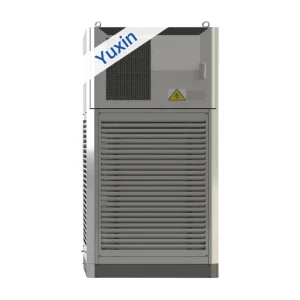
Commercial & Industrial (C&I) Microgrids: Combining high-voltage modular batteries (e.g., the China Modular Commercial Energy Storage System P01-EC60-30K) with on-site solar systems allows commercial entities to function autonomously during multi-hour outages. The system actively switches to battery backup in milliseconds, preventing machinery downtime and data loss in server infrastructures.
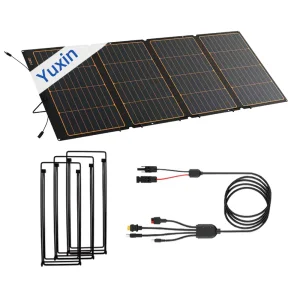
Telecom & Critical Remote Infrastructure: Base transceiver stations (BTS) demand highly reliable, low-maintenance energy sources. Waterproof portable power generators and monocrystalline silicon-backed solar units keep remote telecommunications nodes powered around the clock, surviving extreme environmental conditions through specialized anodized aluminum structures and composite panel frames.
High-quality engineering components designed for maximum energy conversion and operational stability under grid load pressure.
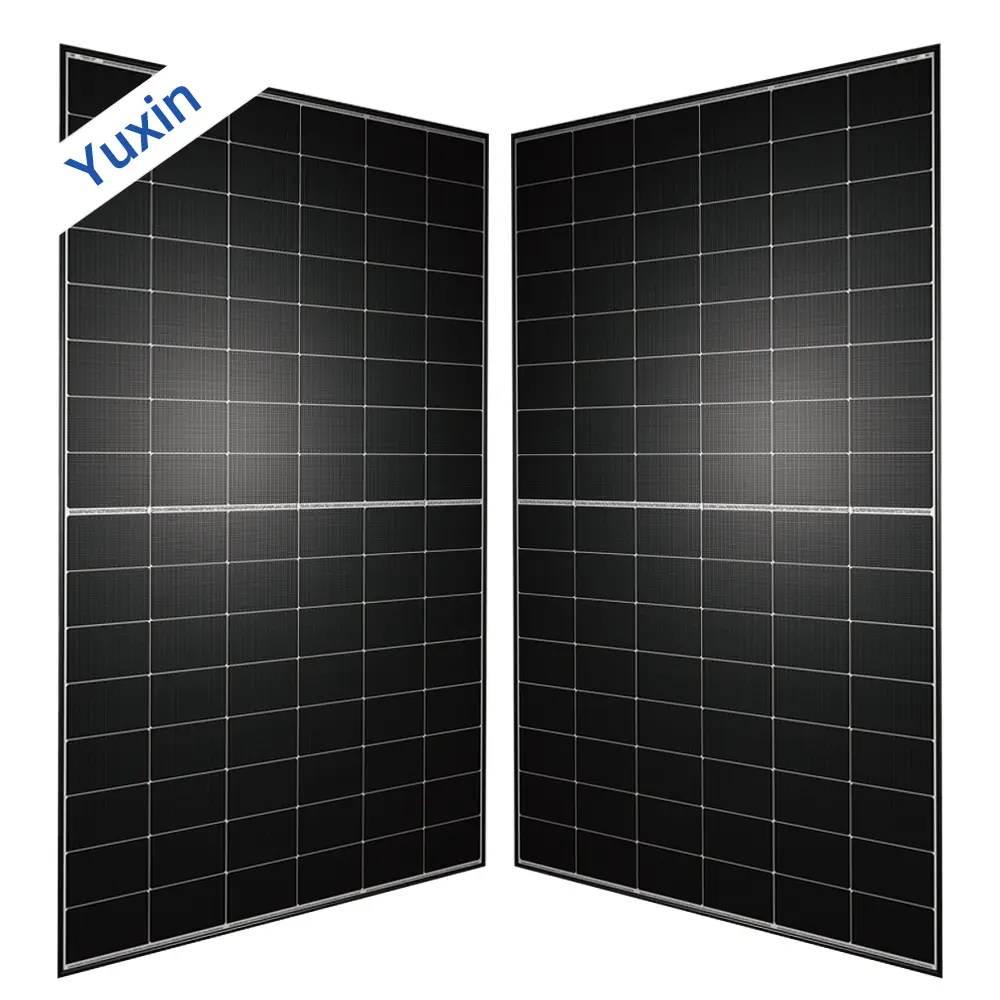
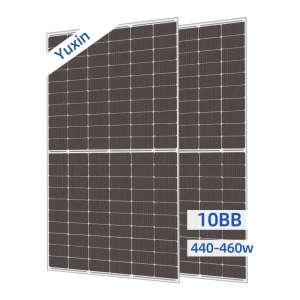
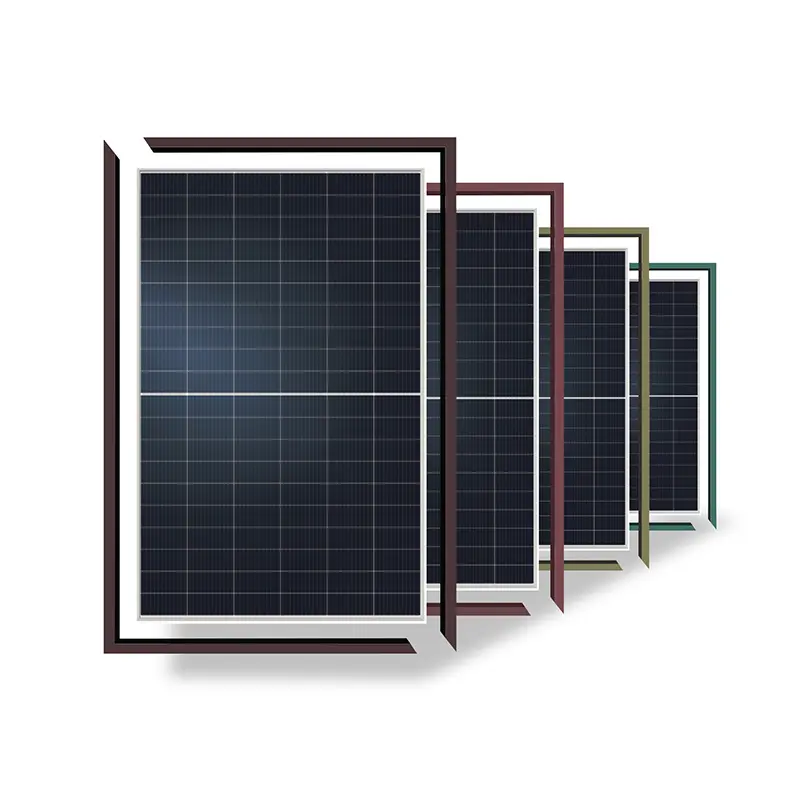
Lightweight design with transparent back panel for easy installation and reduced BOS costs.
Learn More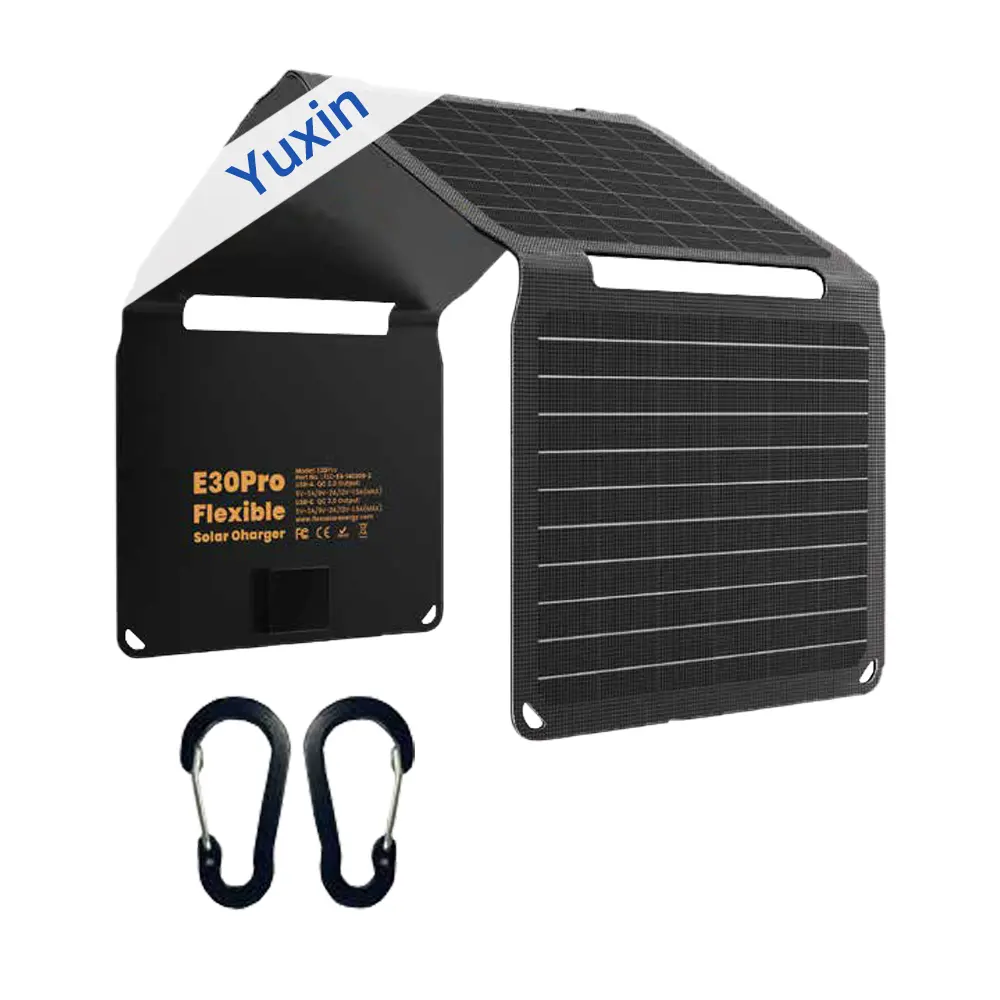
Utilizing advanced monocrystalline silicon cells, it achieves a high energy conversion efficiency of 24%.
Learn More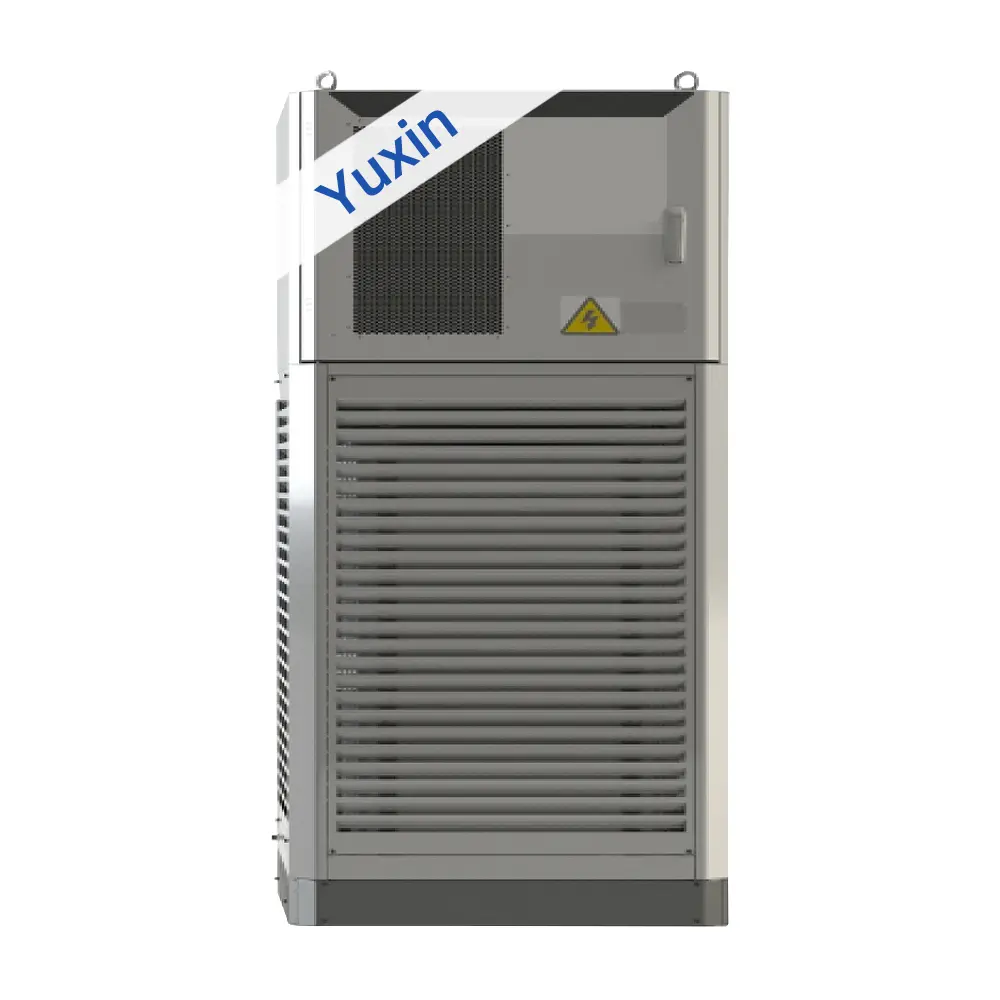
Application modes include grid-connected mode, off-grid mode, and integrated grid-connected/off-grid mode.
Learn More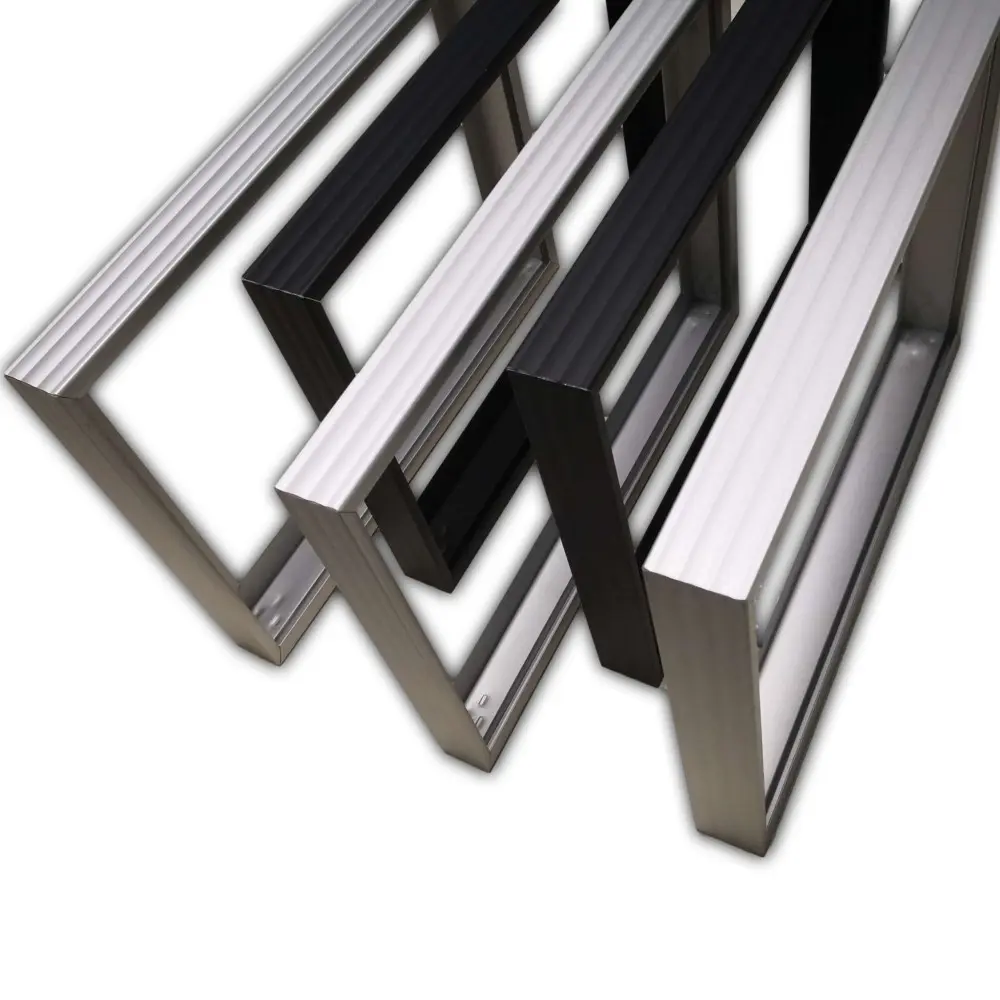
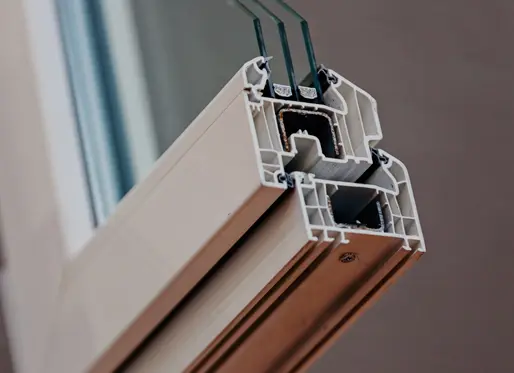
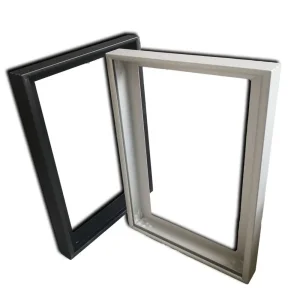
Made of high-quality anodized aluminum, it ensures superior weather resistance and a smooth, long-lasting finish.
Learn MorePrecision, Quality, and Safety - Your Photovoltaic Materials and Battery Storage Expert
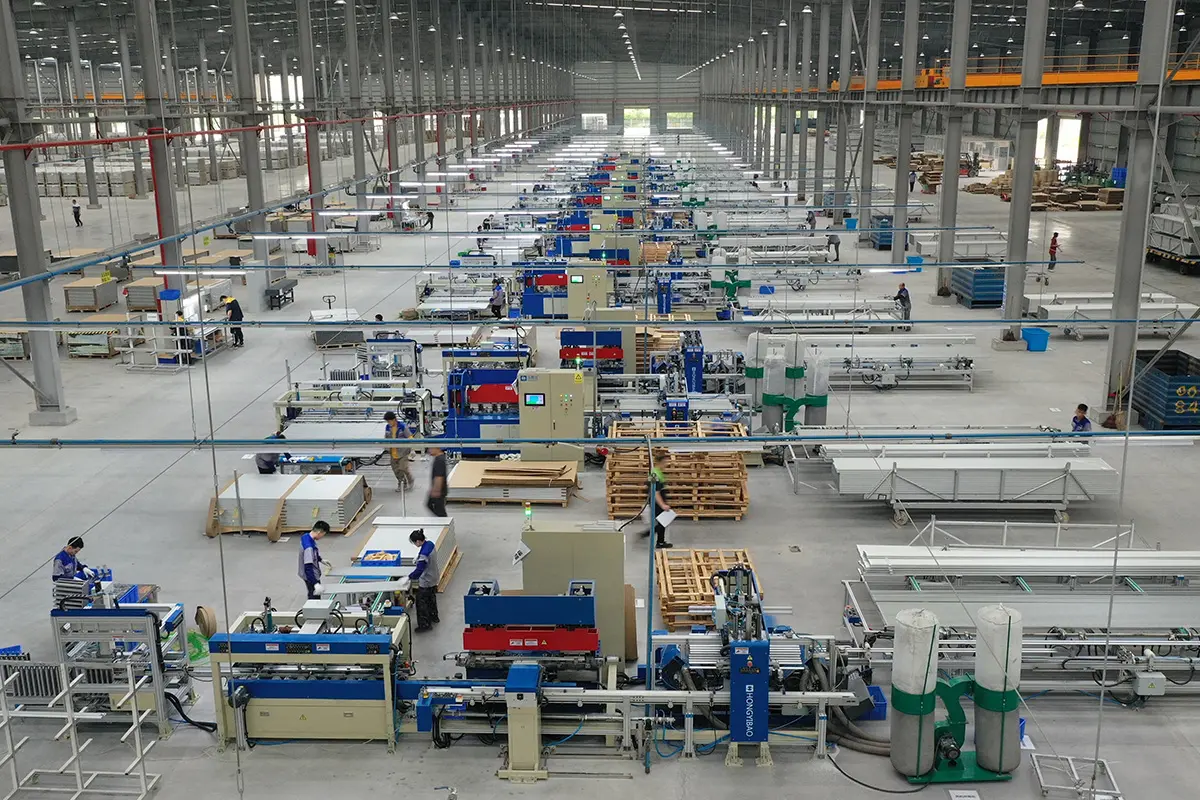
Located in the scenic historical and cultural ancient city of Yangzhou, close to the Beijing-Shanghai Expressway, Runyang Yangtze River Bridge, and Ningqi Railway, the group has a superior geographical location and convenient transportation. The group was established in 2008 and has 14 multi-field companies under its jurisdiction, including Jiangsu Yuxin New Energy Technology Co., Ltd., and has won many titles such as National High-tech Enterprise, Technology-based Enterprise, and Gaoyou City Top 100 Private Enterprises.
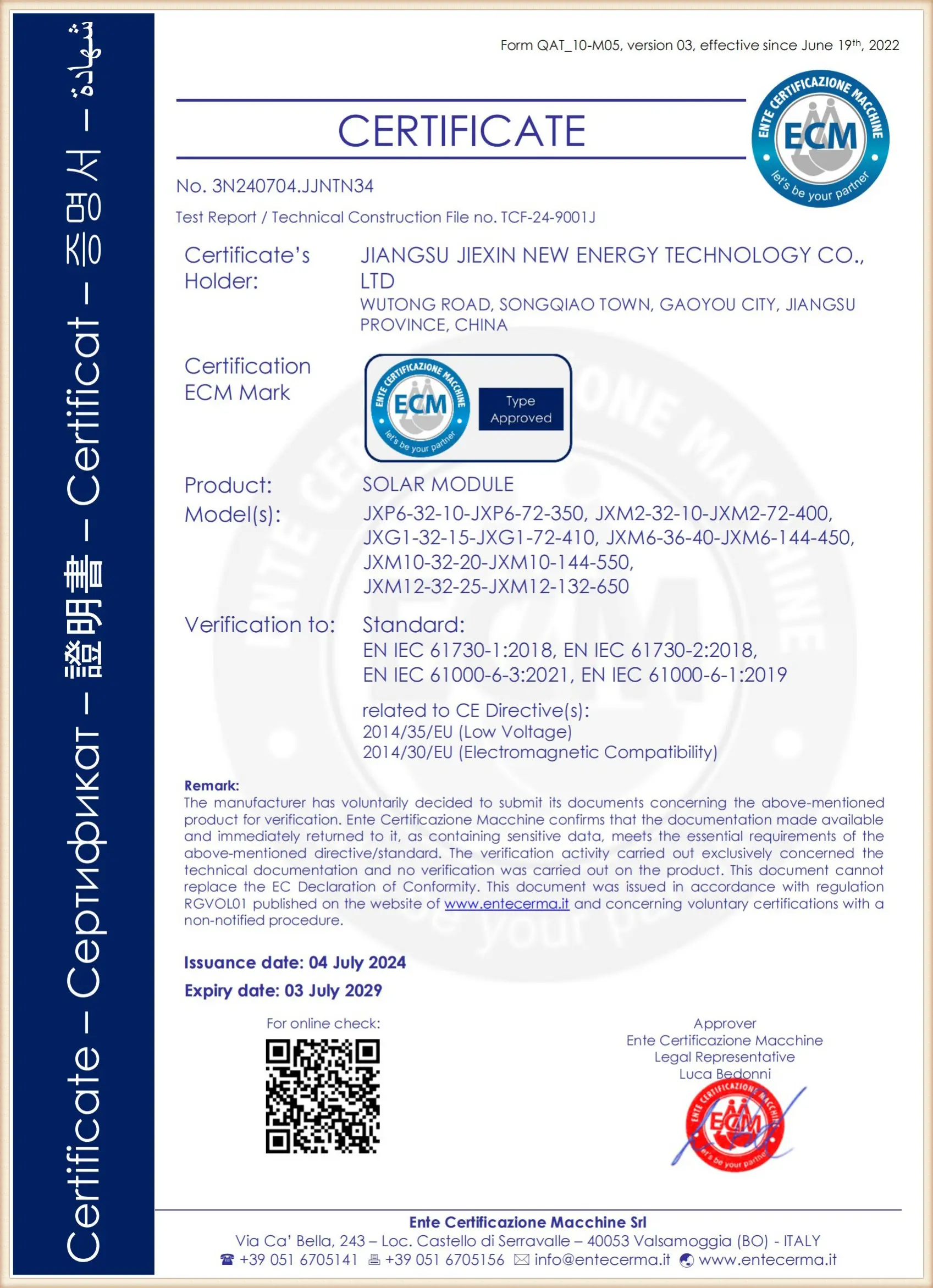
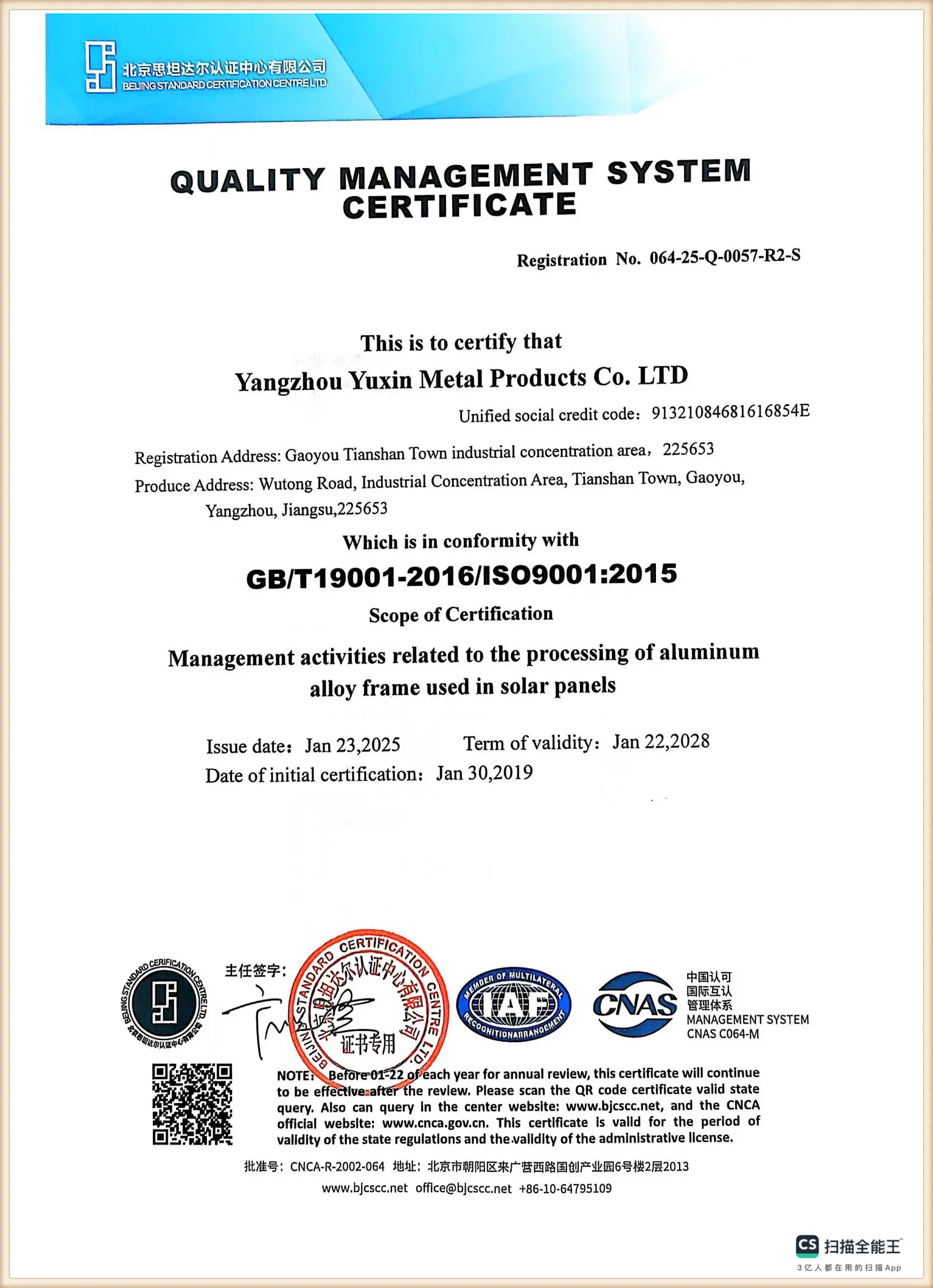
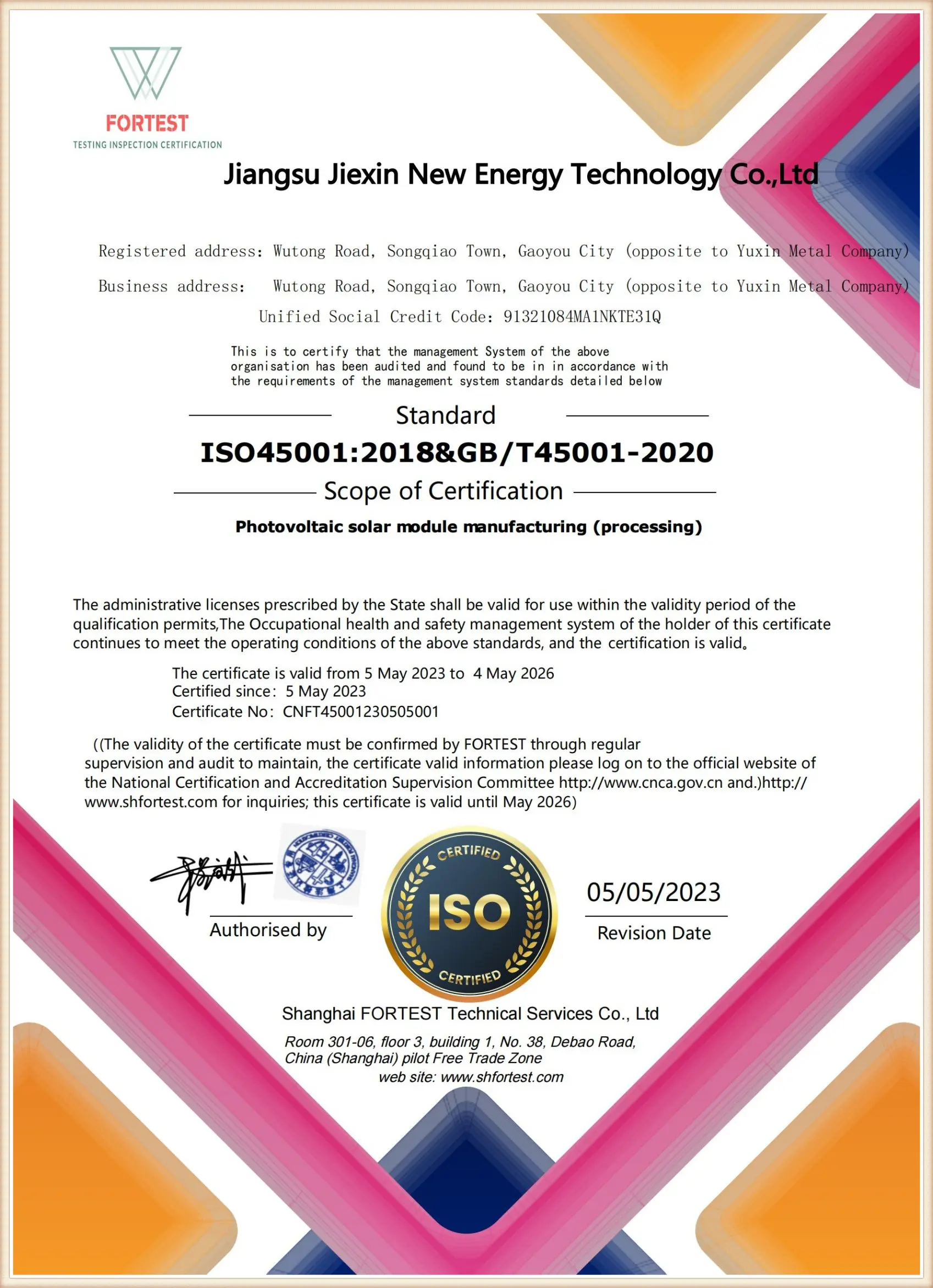
Our solutions conform to international safety protocols and performance validations.
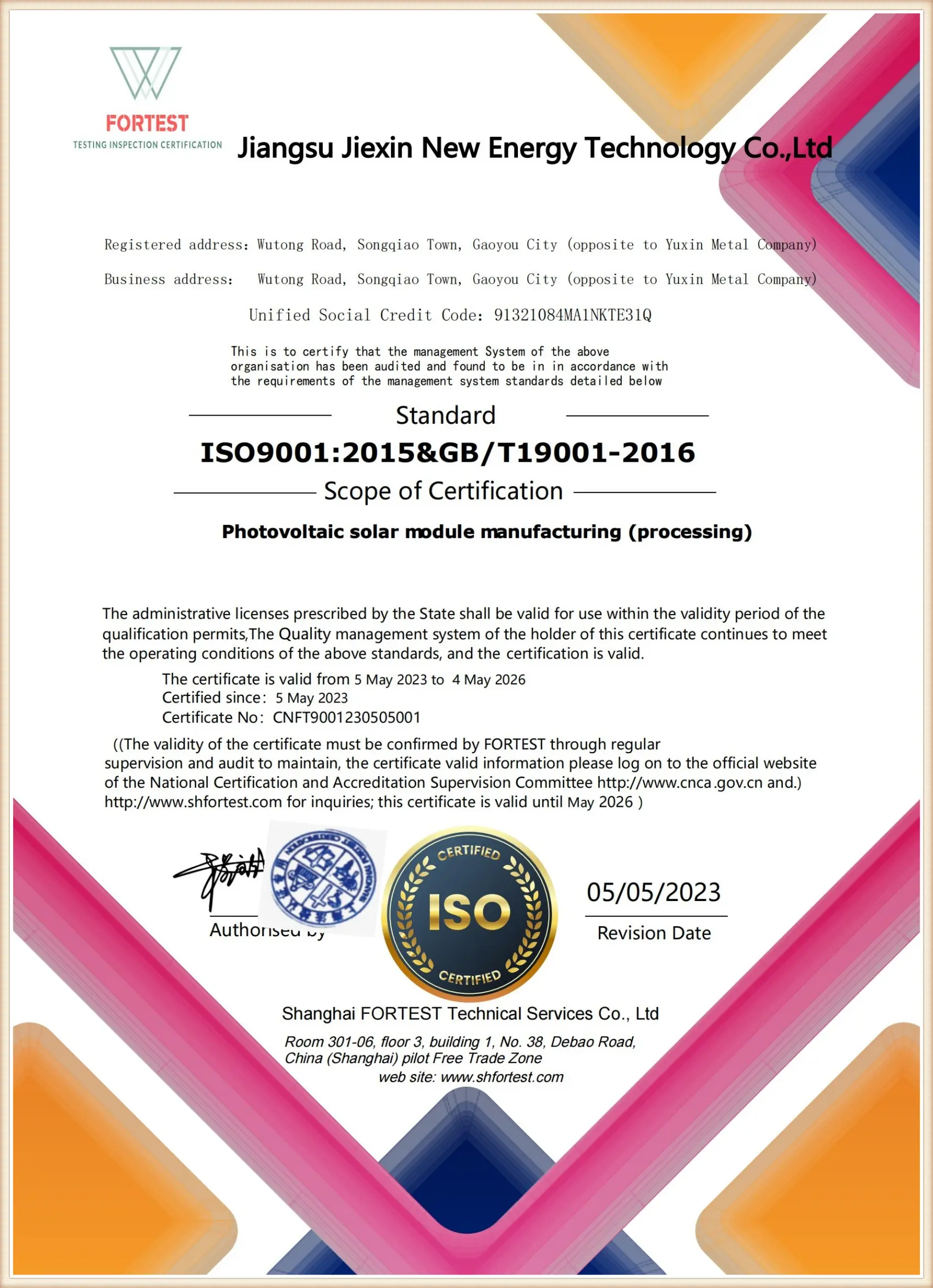
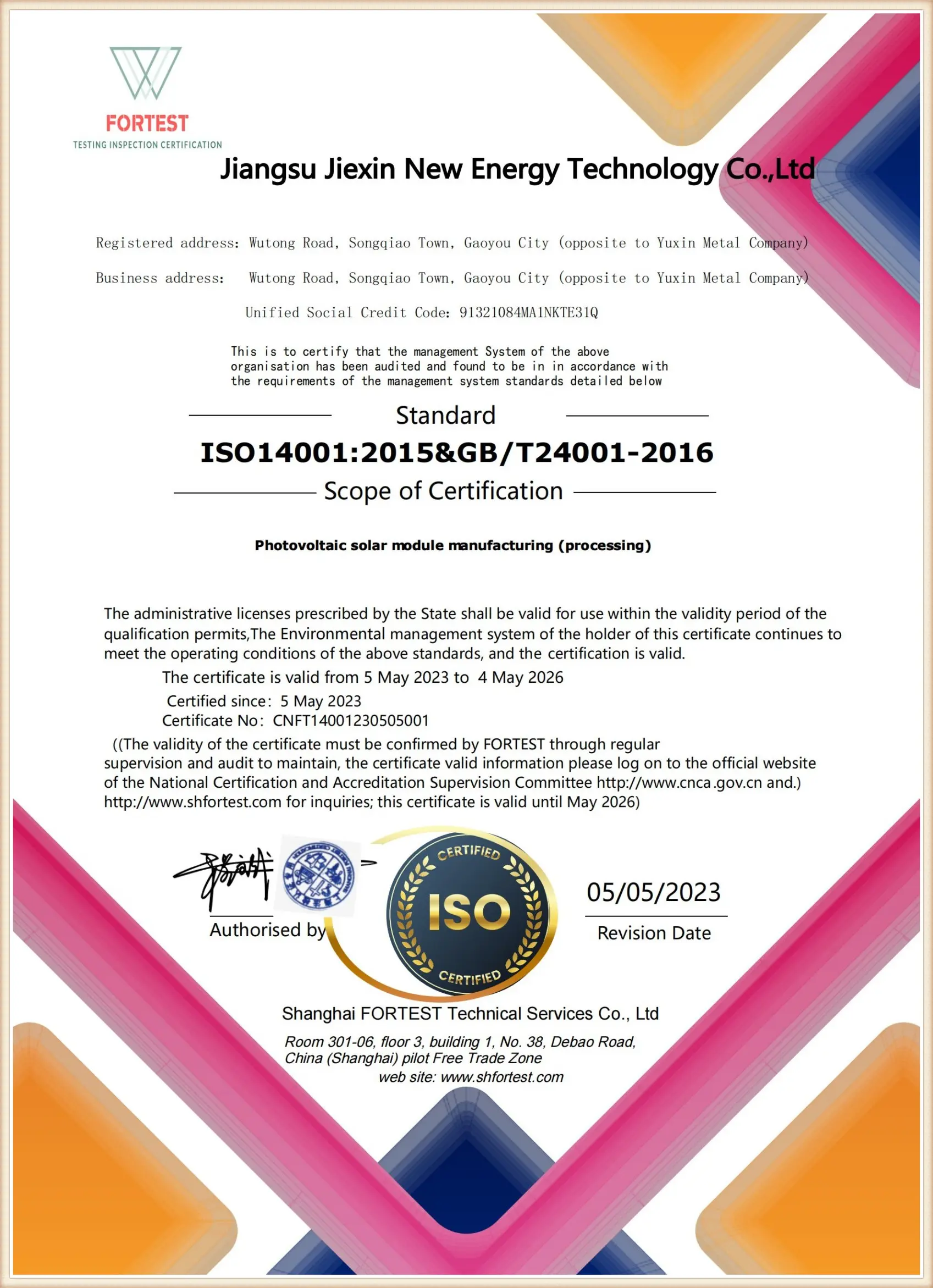
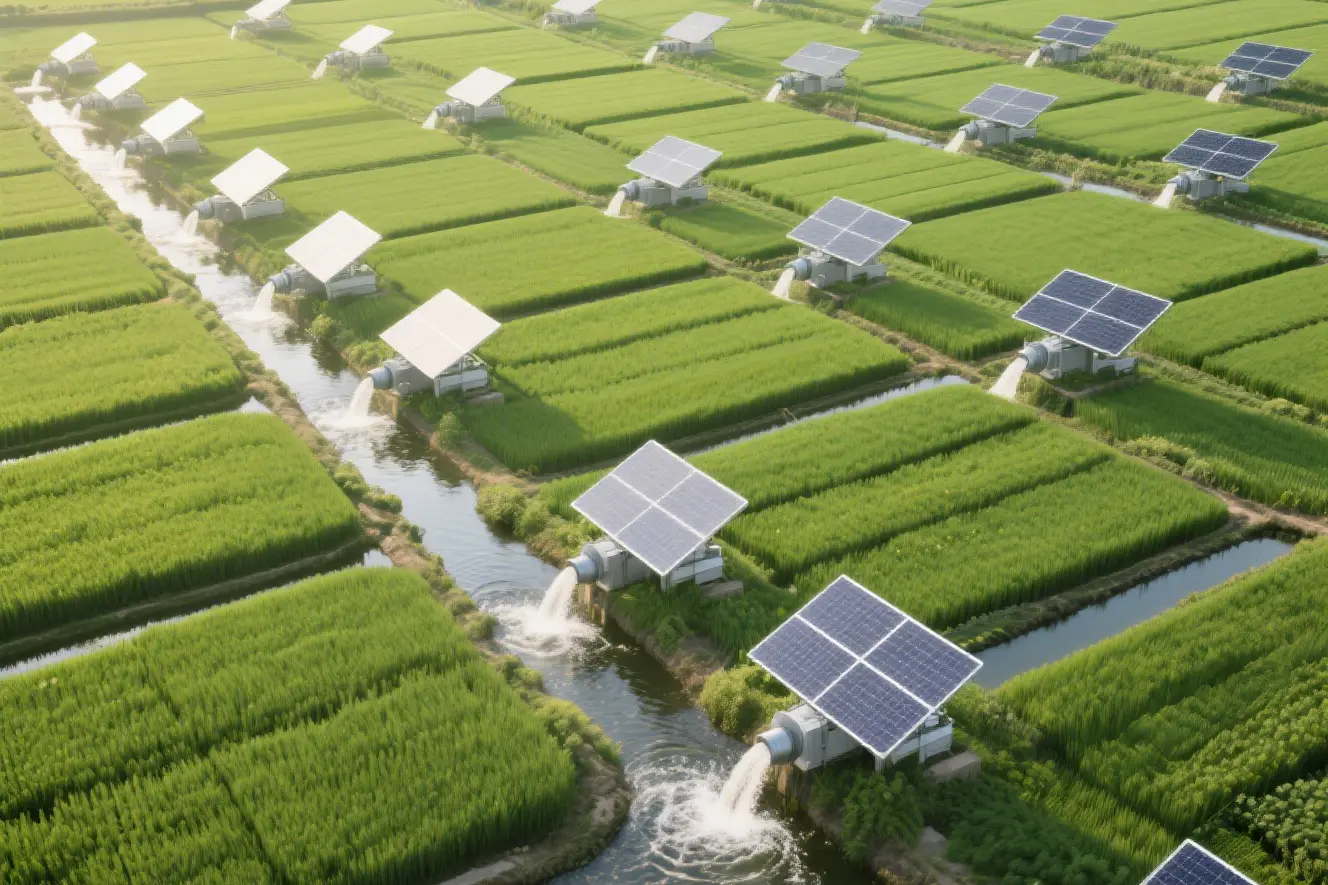
Adapting battery storage and solar integration technology across multiple vertical fields.
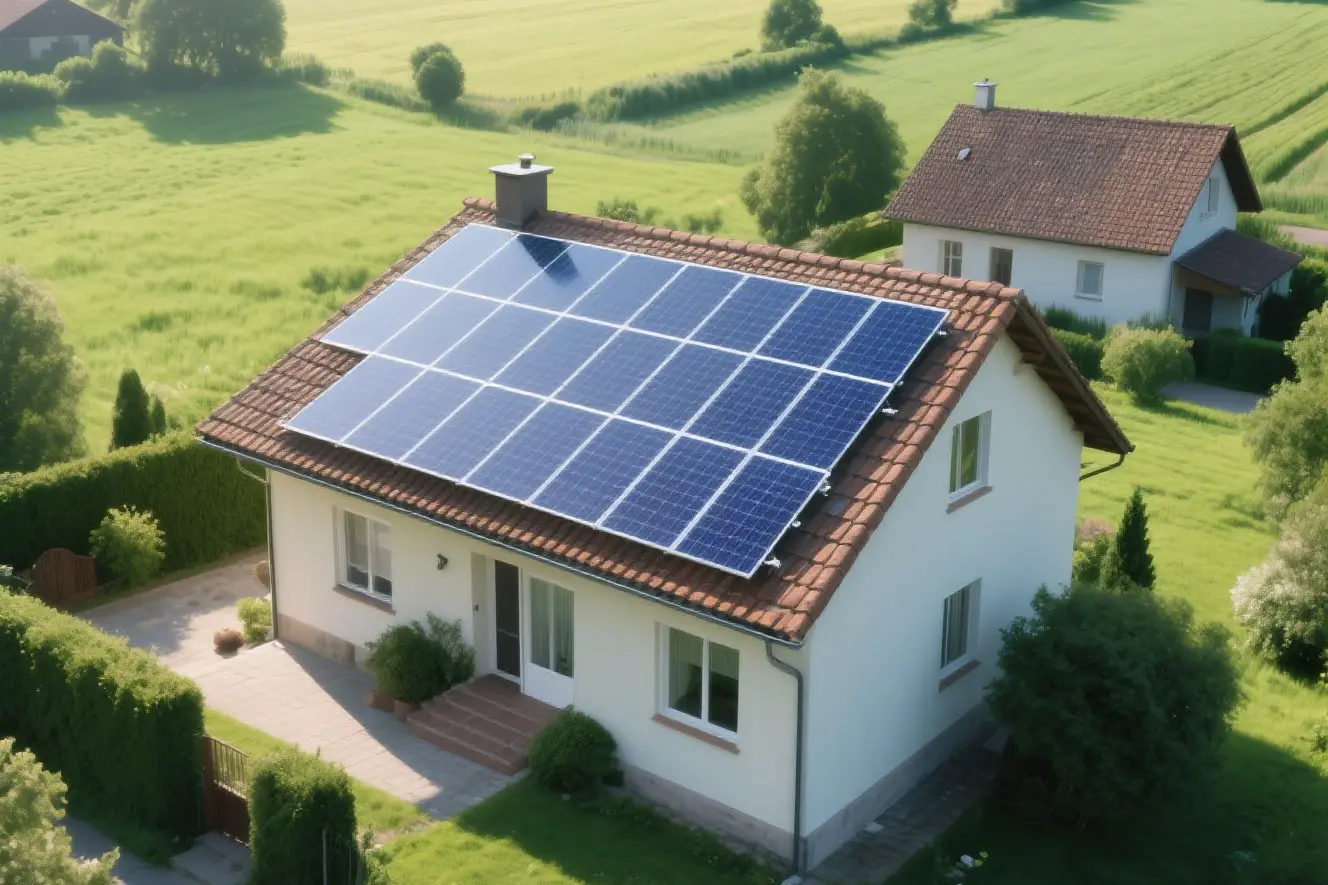
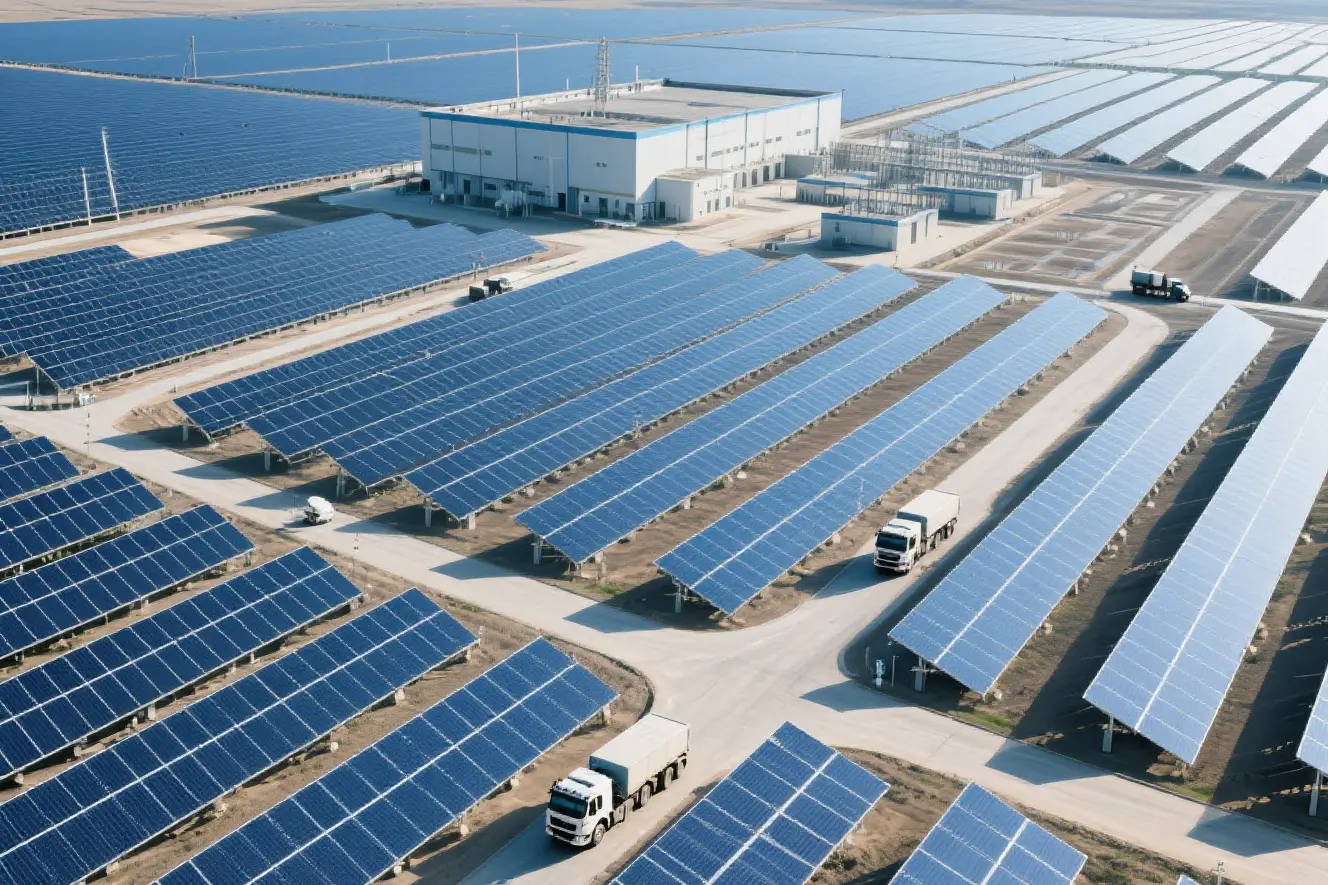
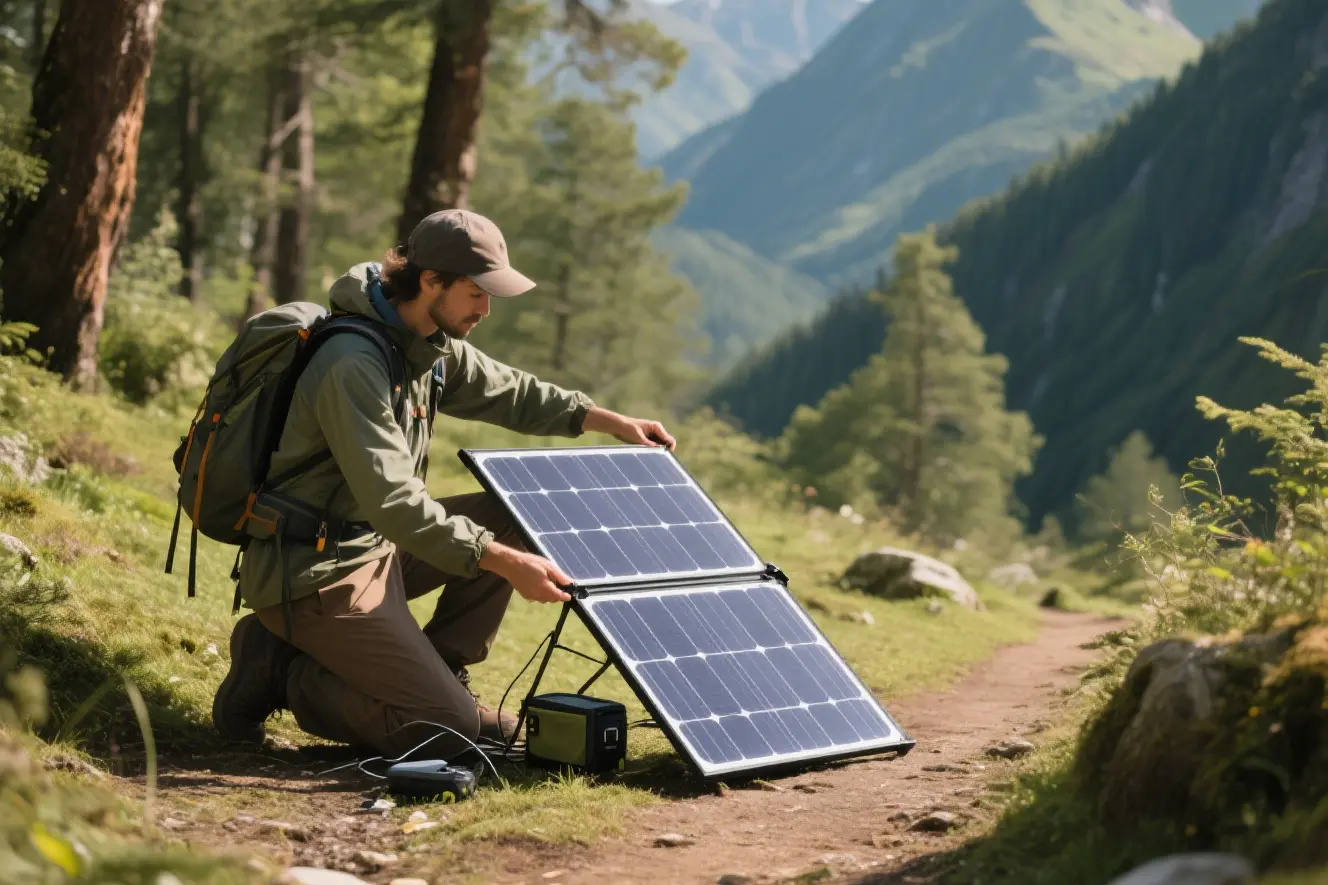
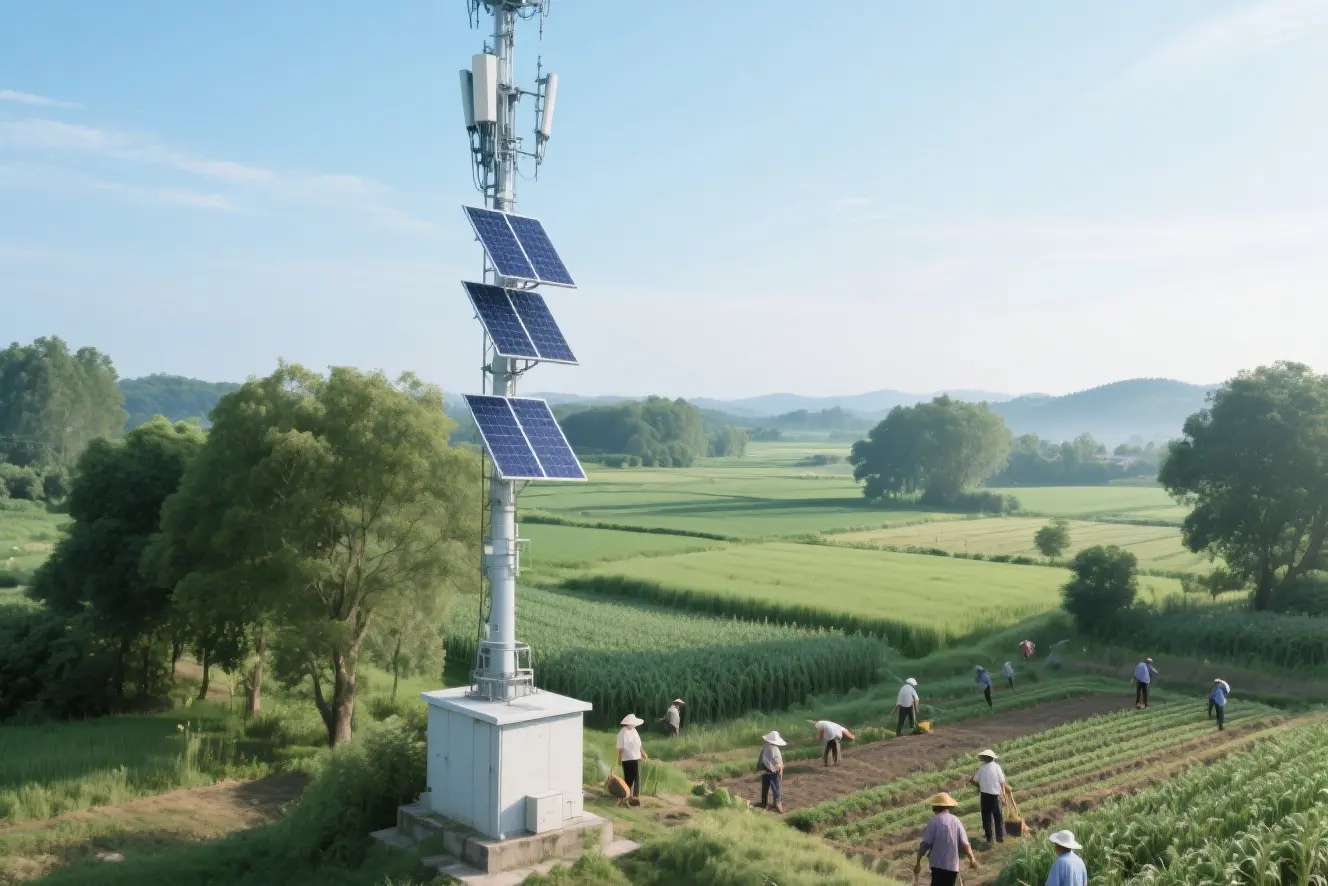
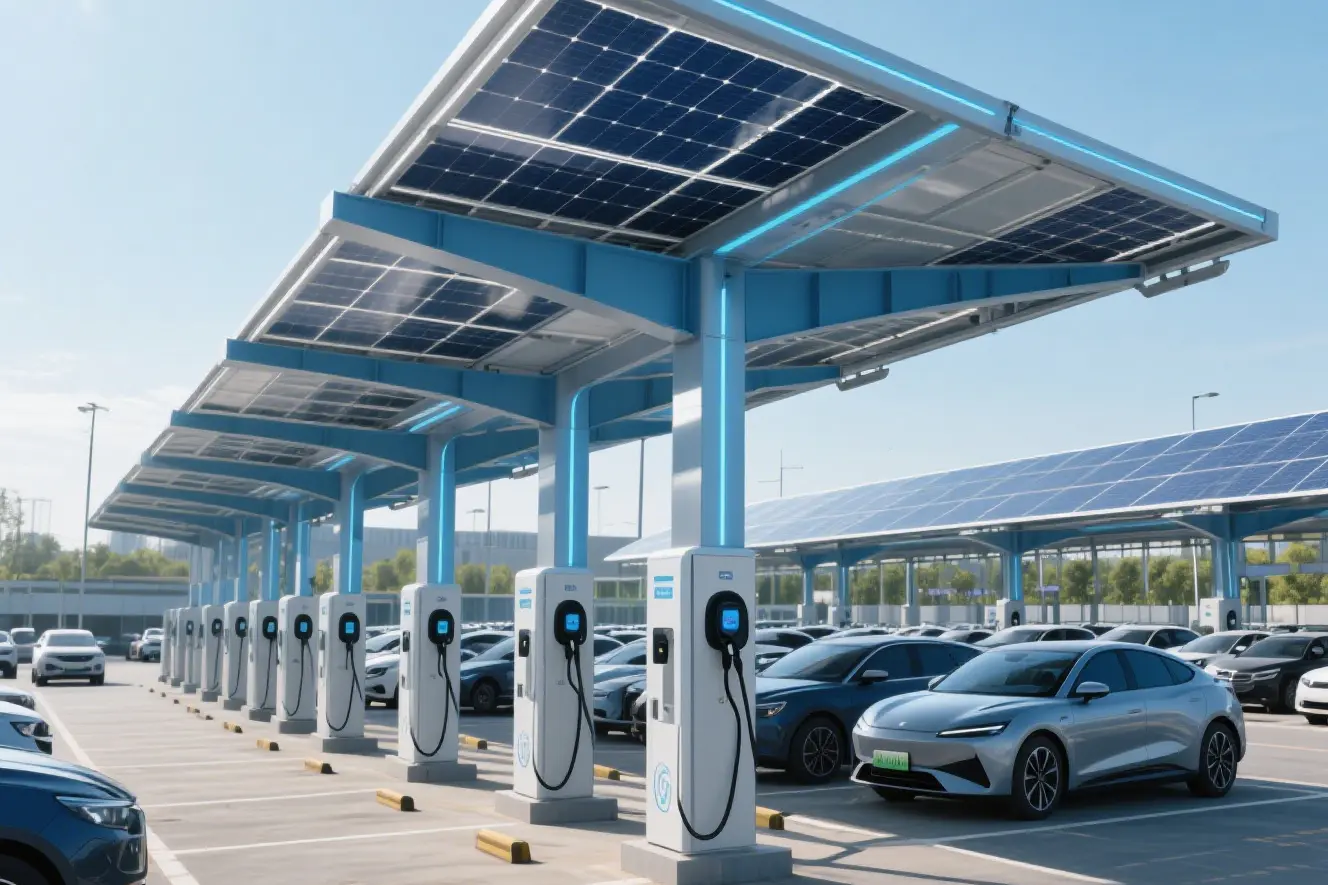
After years of dedication, Yuxin Group has structured mutually beneficial networks with leading operators worldwide.


Adhering to our core values of pragmatic enterprise and innovation. Read our latest technical studies.
Critical engineering considerations, system configuration sizing, and import logistics for global procurement officers.
Access competitive pricing and direct-from-factory quotes on modular storage systems, solar modules, and components.