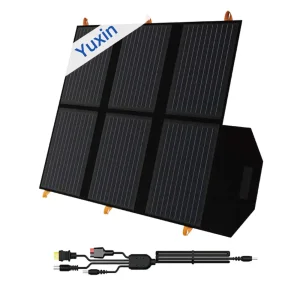
Deploy high-performance, weatherized systems built to sustain critical power loads in rigorous environmental conditions.
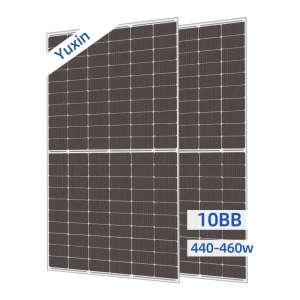
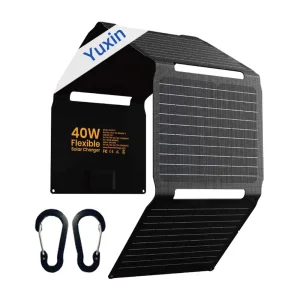
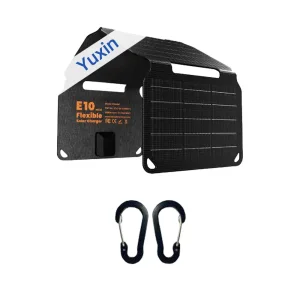
An authoritative analysis of the technical roadmaps, manufacturing structures, and optimization vectors governing off-grid portable refrigeration.
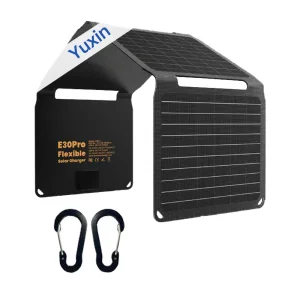
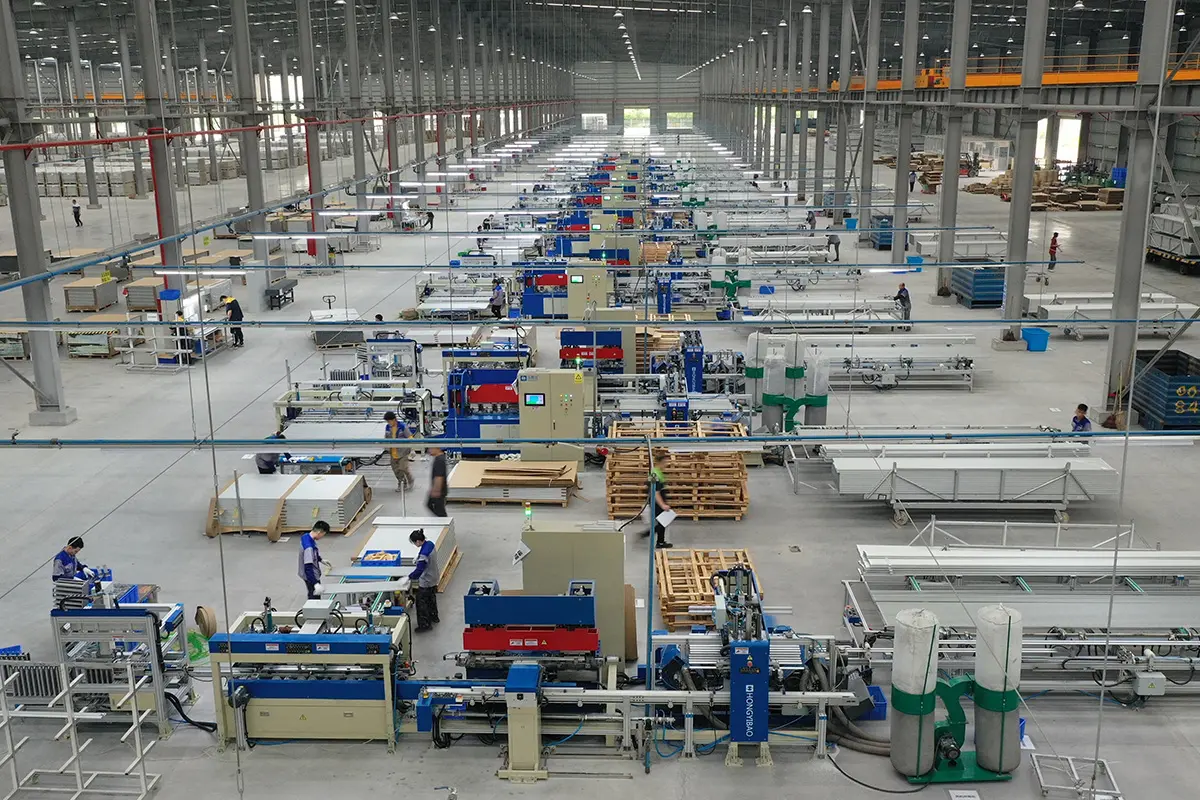
The manufacturing and deployment of solar-integrated portable cooling units have grown substantially over the last five years. Factors such as regional energy volatility, expanding overland transportation networks, and a surge in off-grid exploration have driven B2B demand for comprehensive field-refrigeration solutions. High-quality production lines specialize in producing DC-powered compressors (typically operating on 12V/24V DC systems) optimized to interface seamlessly with photovoltaic arrays.
Historically, portable refrigeration suffered from massive starting currents and excessive thermodynamic loss. To resolve this, modern manufacturing protocols mandate the use of Brushless DC (BLDC) compressors. These motors adjust their cycle speed according to the ambient thermal load, achieving energy efficiency gains of up to 40% compared to legacy AC-reciprocating platforms.
The efficiency of a solar-powered camping fridge depends on the symbiotic alignment of the solar panel, the charge controller (MPPT or PWM), and the internal battery storage unit. Below is an engineering benchmark outlining the performance criteria expected by enterprise procurement agents:
| Component Specification | Standard Factory Target | Industrial/Premium Grade |
|---|---|---|
| Solar Cell Technology | Monocrystalline PERC (21-22% Eff.) | N-Type TOPCon / HJT (24.5%+ Eff.) |
| Compressor Type | Standard Hermetic DC Compressor | Variable Frequency BLDC (Smart Eco-Mode) |
| Insulation Density | Polyurethane Cyclopentane (35mm thickness) | High-Density Polyurethane Structural Foam (55mm+) |
| Charge Optimization | Pulse Width Modulation (PWM) | Maximum Power Point Tracking (MPPT) with 98% efficiency |
| Ingress Protection Rating | IP65 (Dust & Splash Proof) | IP67 (Heavy Weatherization / Marine Grade) |
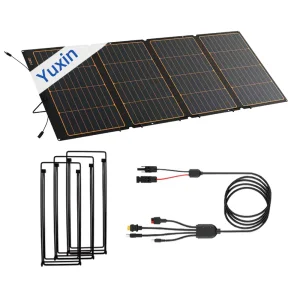
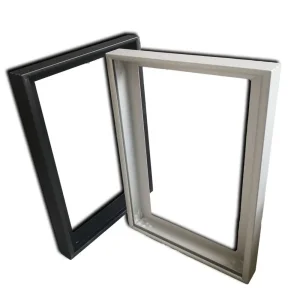
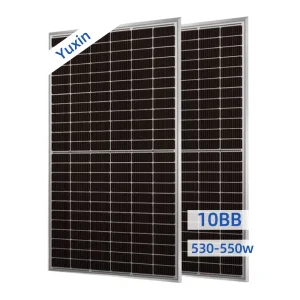
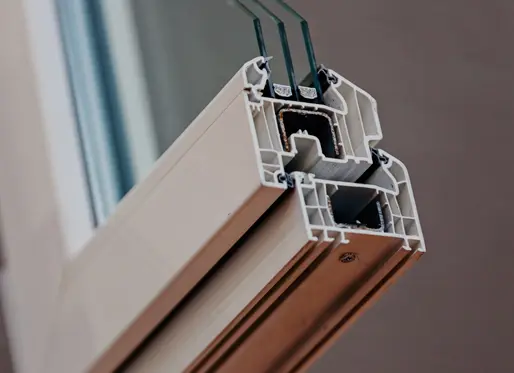
Selecting the correct structural framework is also essential for system longevity. Highly weatherized 6063-T5 or 6005-T6 aluminum frames provide structural support for solar modules mounted on off-grid vehicles or deployable field kits. Using lightweight polyurethane composite frames further reduces the Balance of System (BOS) weight without compromising tensile strength.
The future of portable off-grid cooling relies on automation, smarter power management, and advanced materials. Engineering laboratories are prioritizing several technological advancements:
Engineering high-performance solar materials and integrated storage solutions since 2008.
Located in the scenic, historical city of Yangzhou, close to the Beijing-Shanghai Expressway and the Runyang Yangtze River Bridge, YUXIN is a premier manufacturer specializing in solar integration, structural framing, and advanced portable power solutions. Established in 2008, the group encompasses 14 specialized companies, including Jiangsu Yuxin New Energy Technology Co., Ltd., recognized as a National High-tech Enterprise.
Our dedication to precision, quality control, and safety makes us an expert in photovoltaic material and custom modular energy systems. We provide comprehensive commercial, residential, and outdoor solutions for clients worldwide.
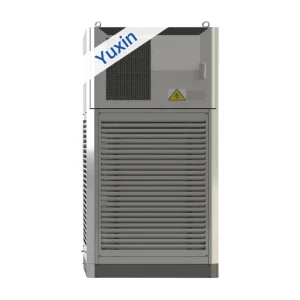
Engineered to support decentralized power generation and cold-storage operations.
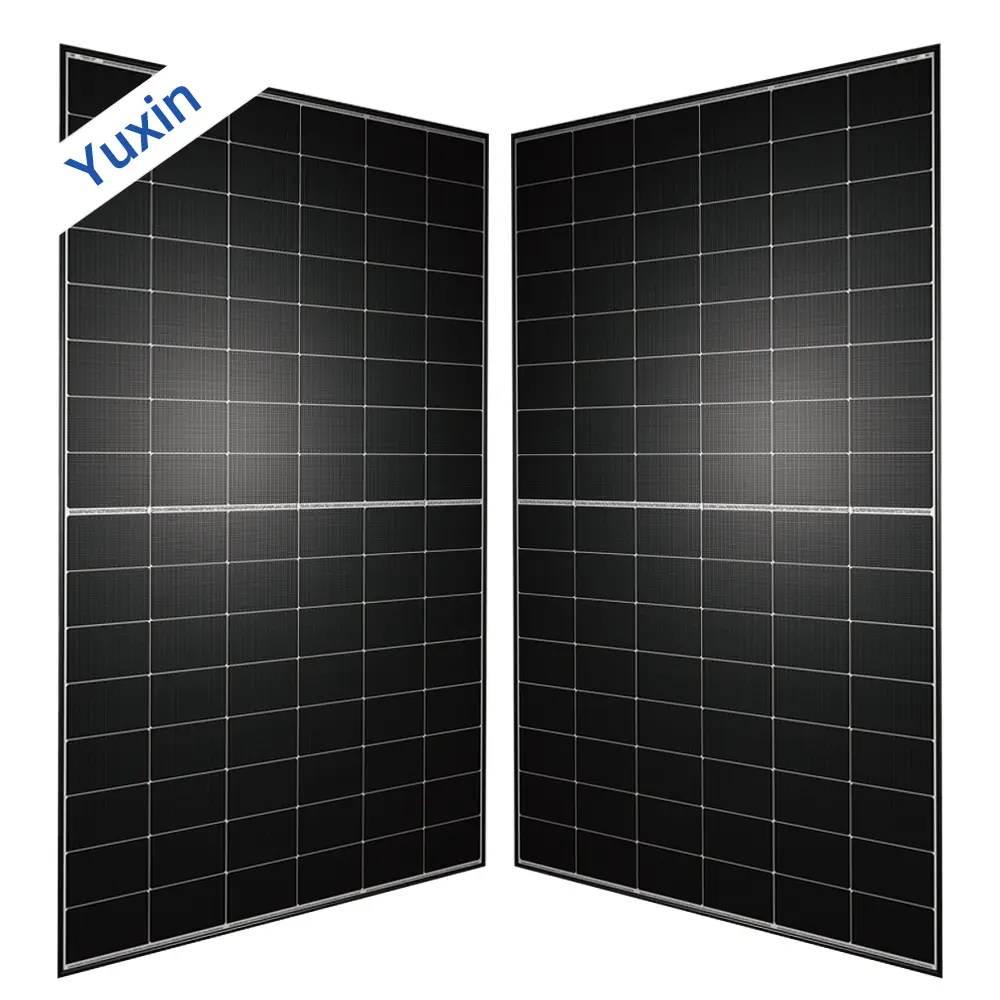
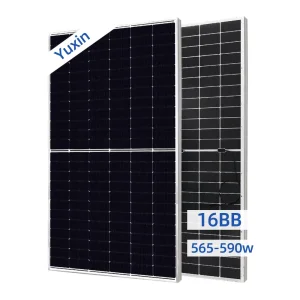
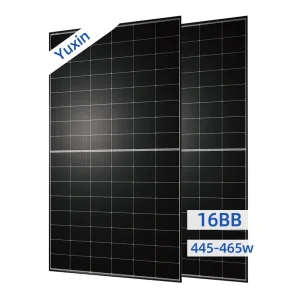
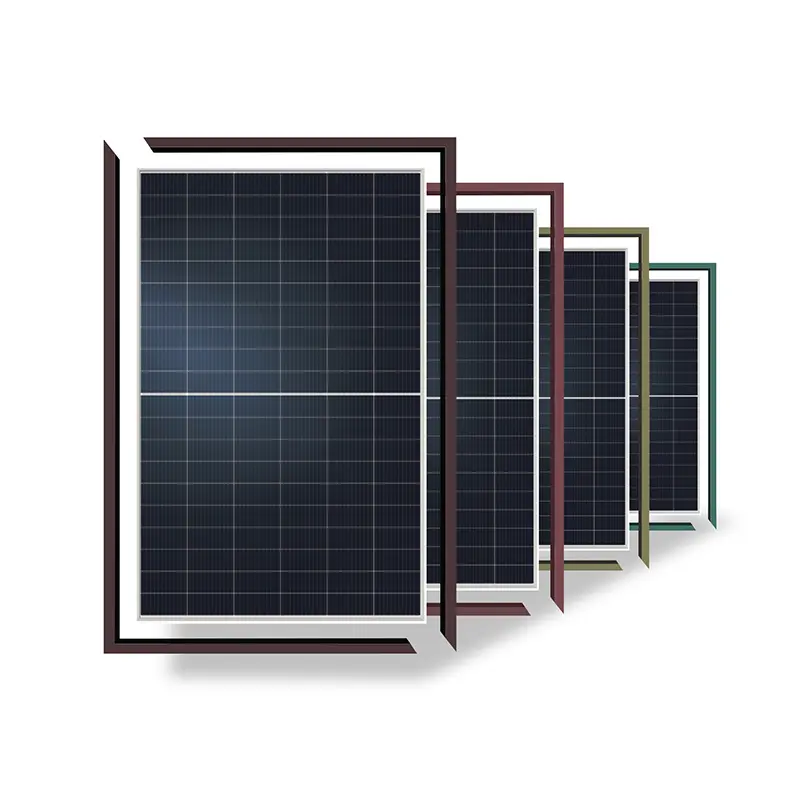
Lightweight design with transparent back panel for easy installation and reduced BOS costs.
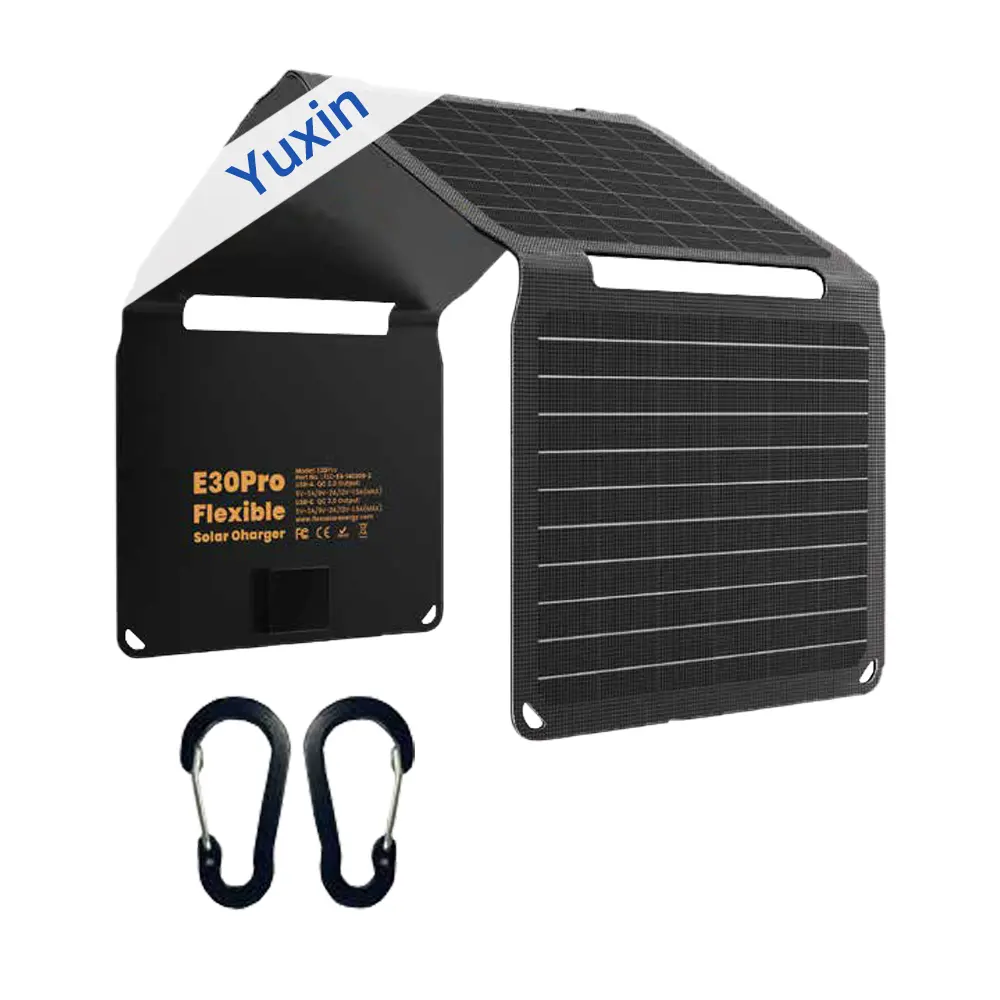
Utilizing advanced monocrystalline silicon cells, it achieves a high energy conversion efficiency of 24%.
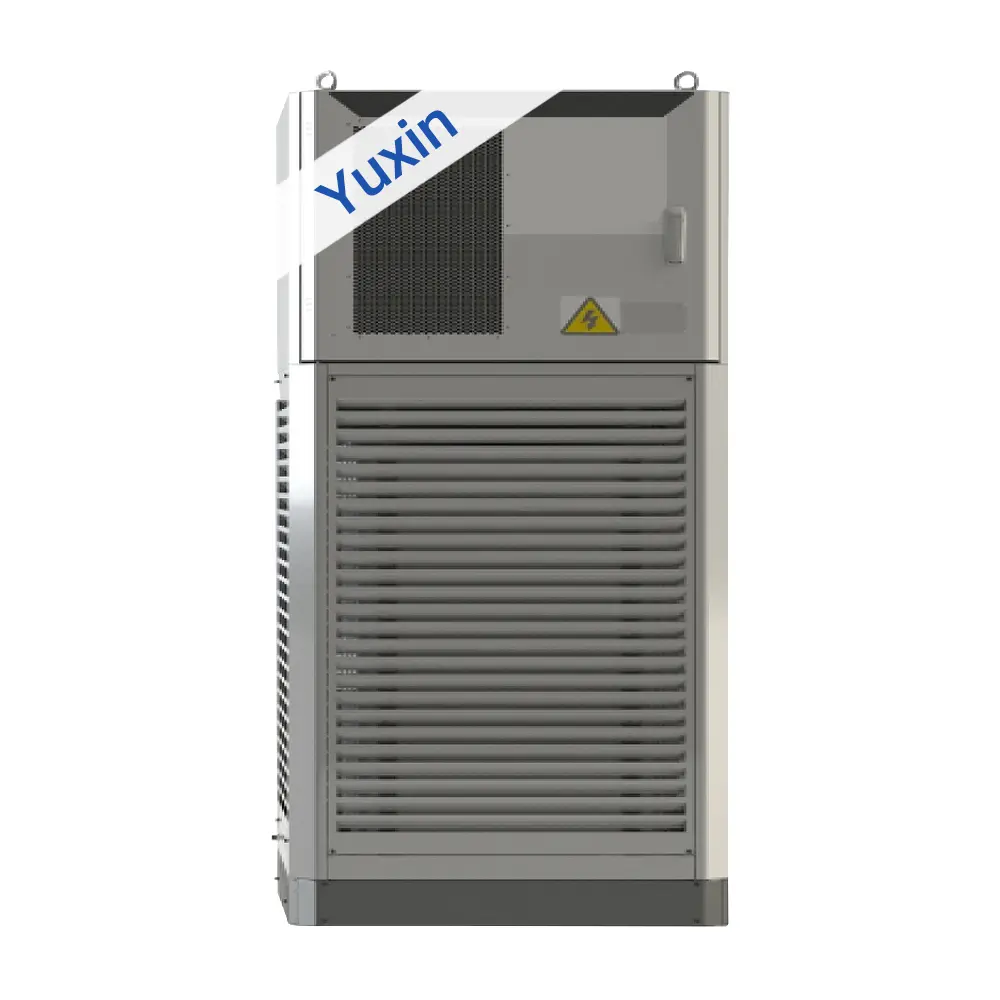
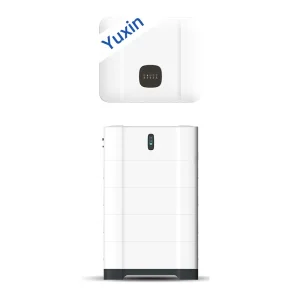
Application modes include grid-connected mode, off-grid mode, and integrated grid-connected/off-grid mode.
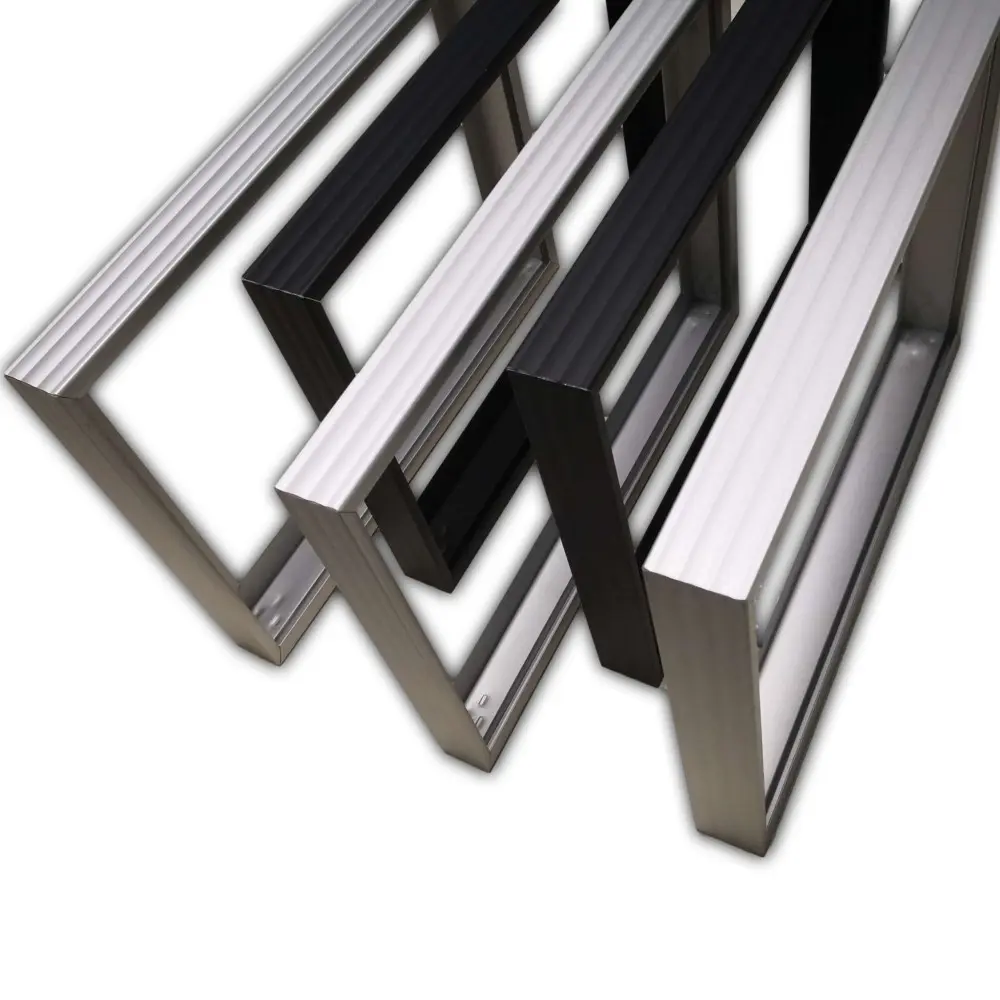
Made of high-quality anodized aluminum, it ensures superior weather resistance and a smooth, long-lasting finish.
Verified manufacturing processes that meet global safety and performance certifications.
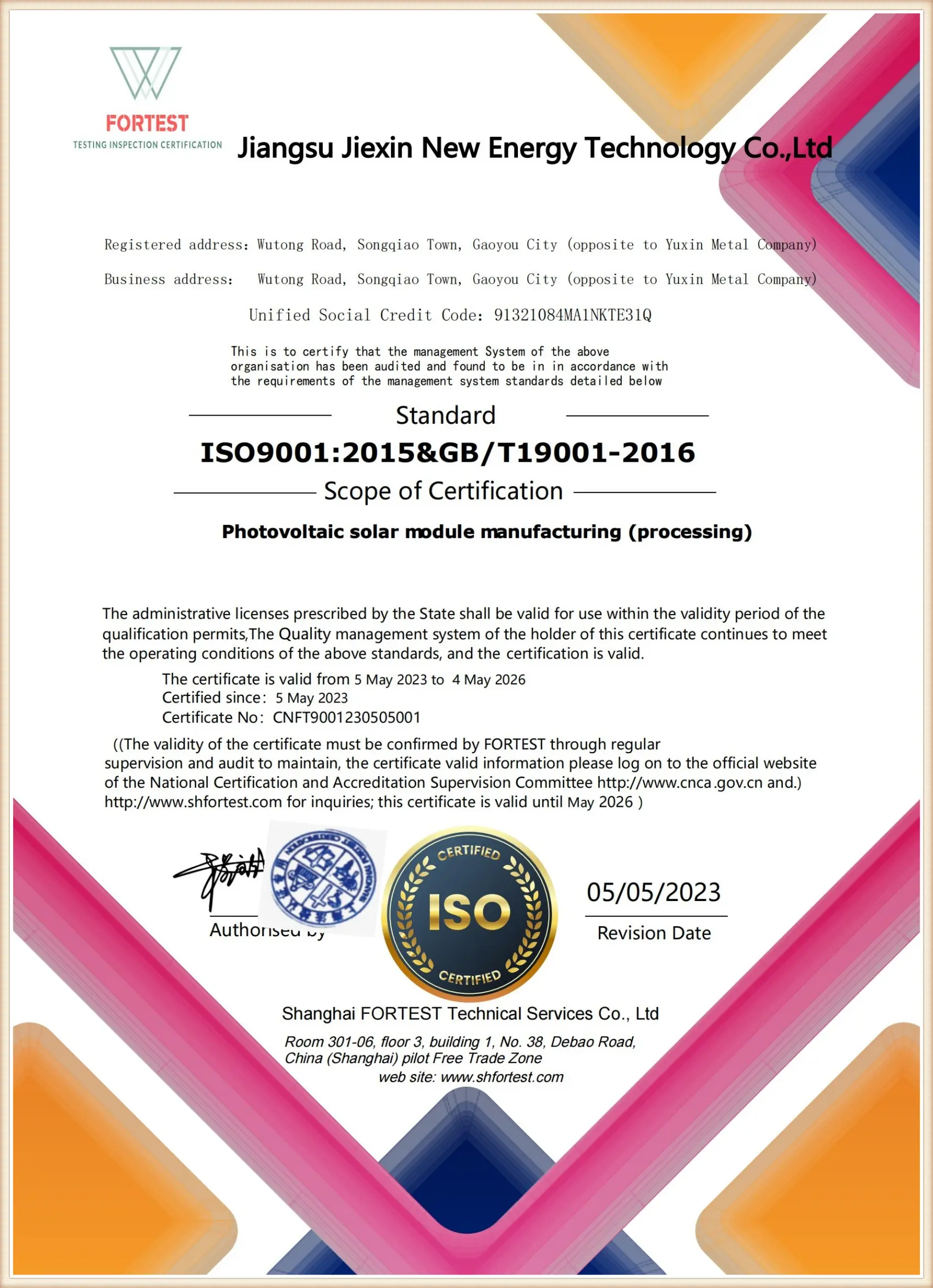
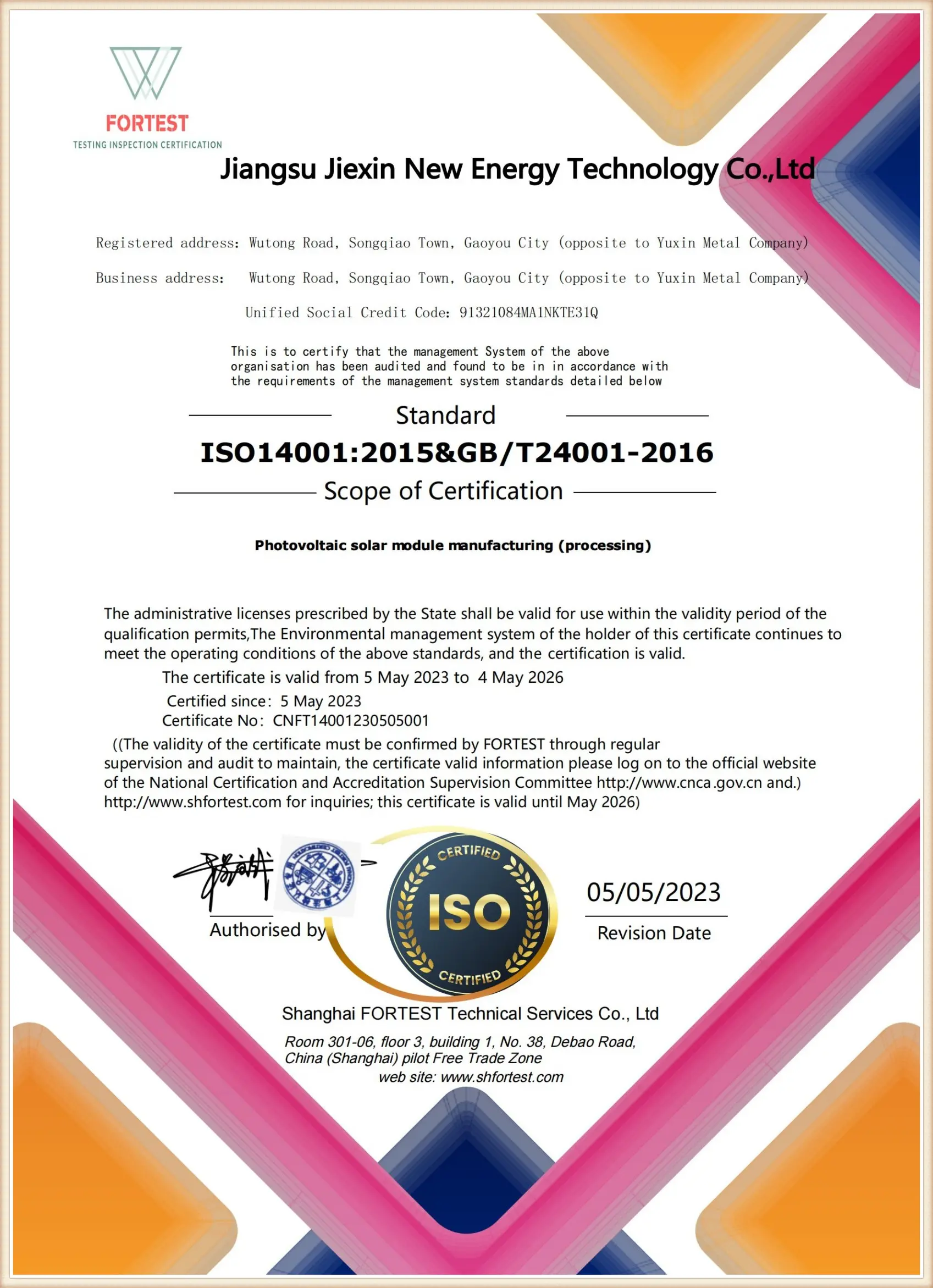
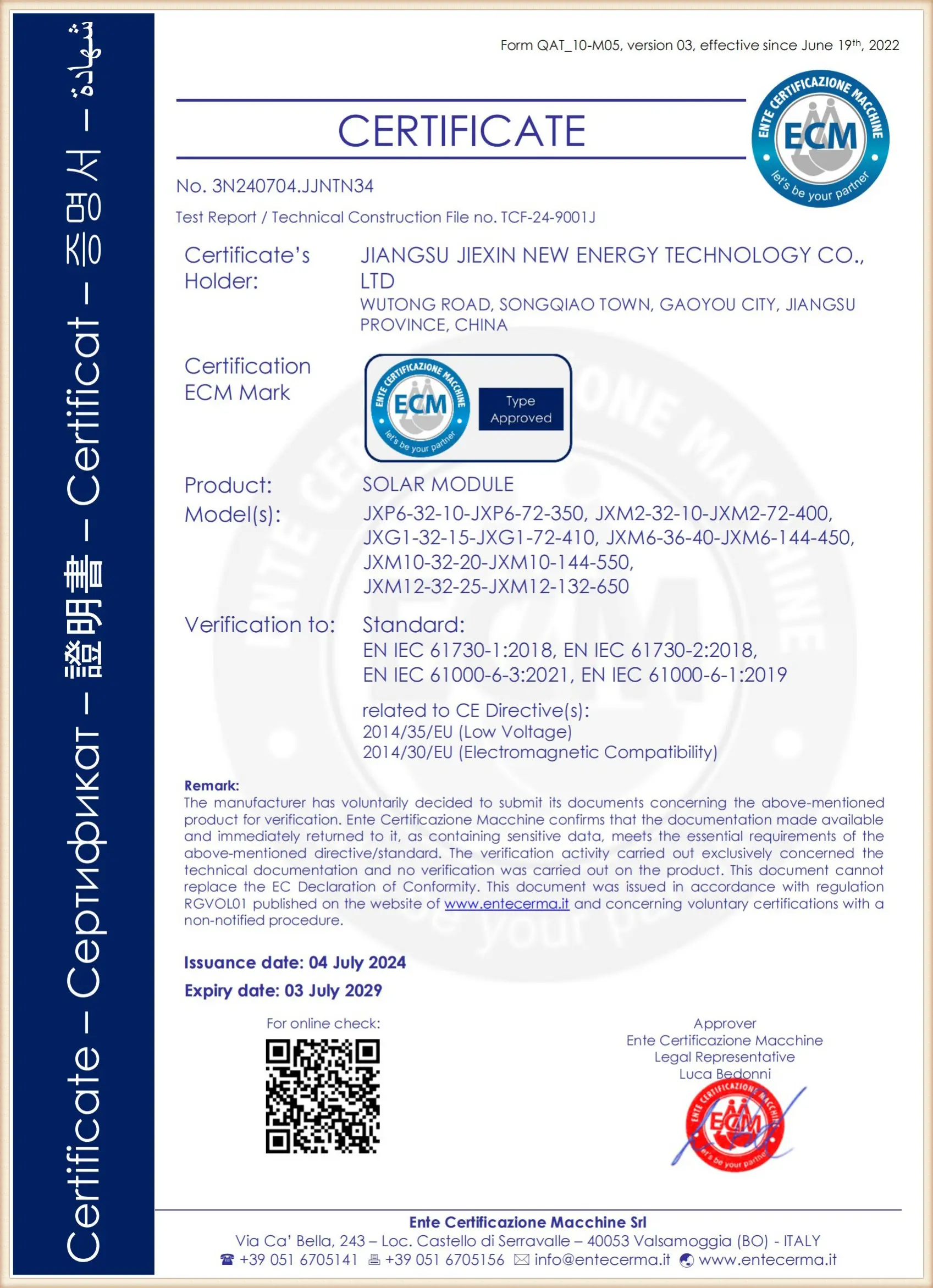
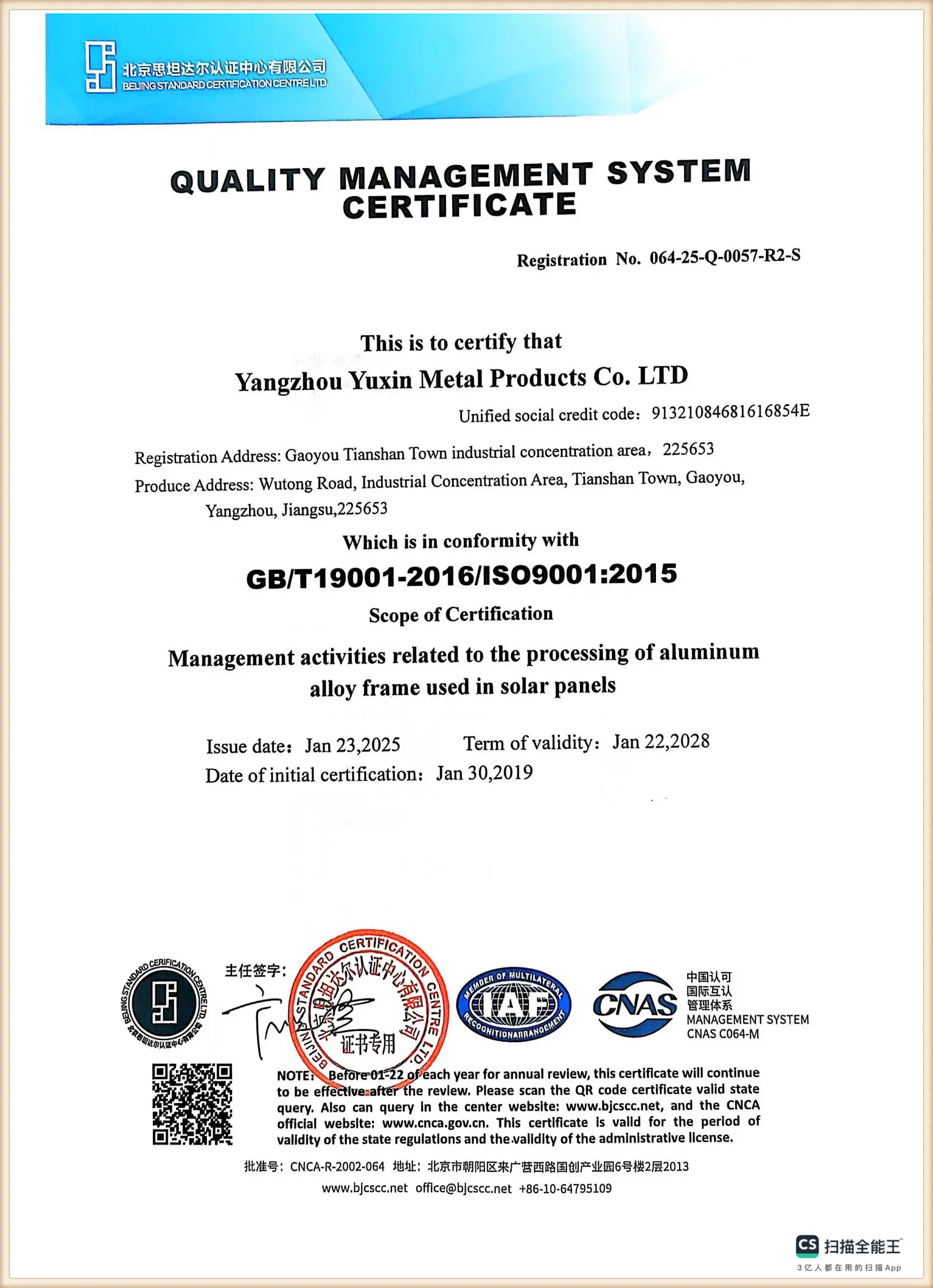
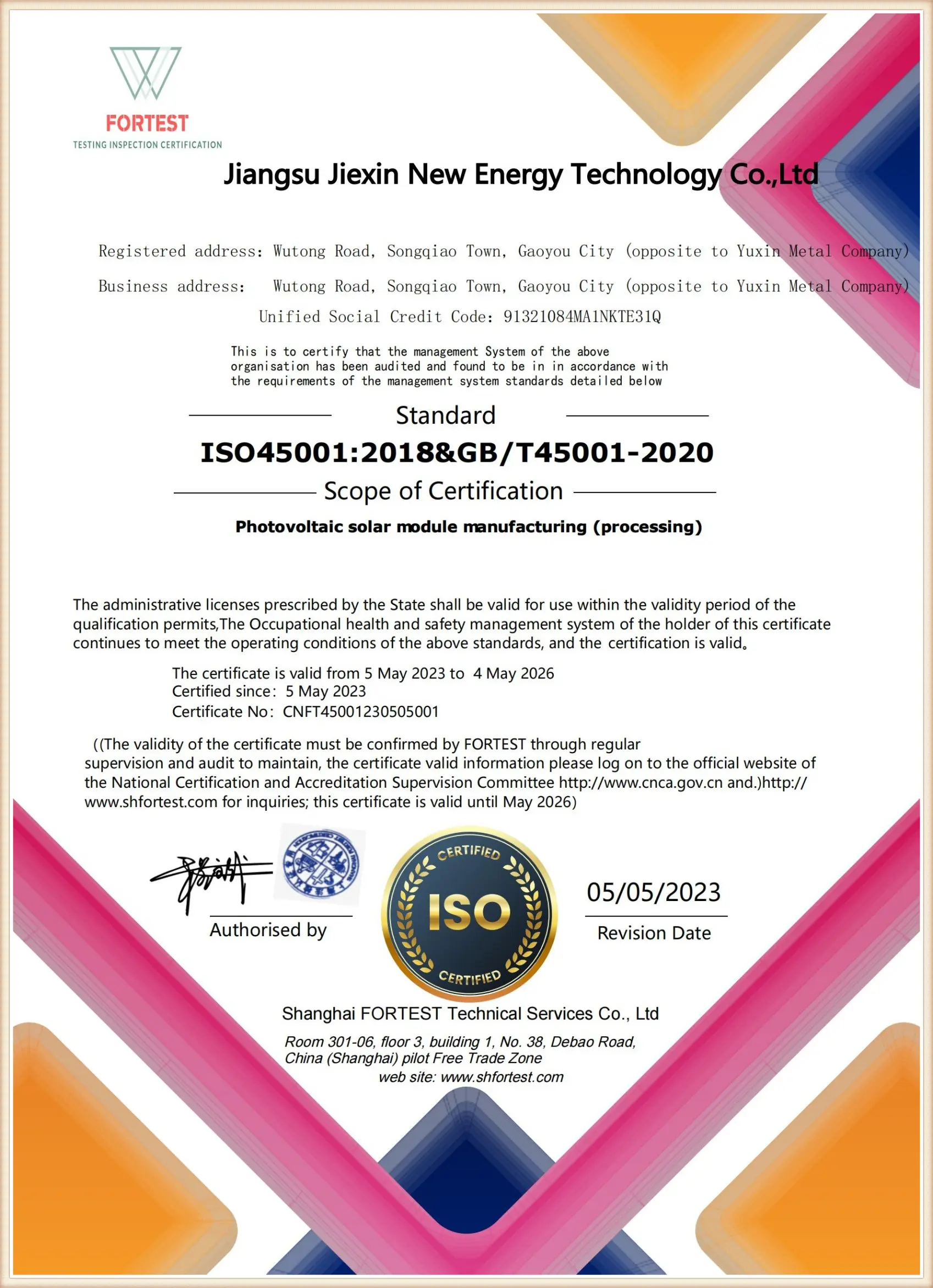
Our high-efficiency energy and cooling architectures are deployed across diverse sectors worldwide.

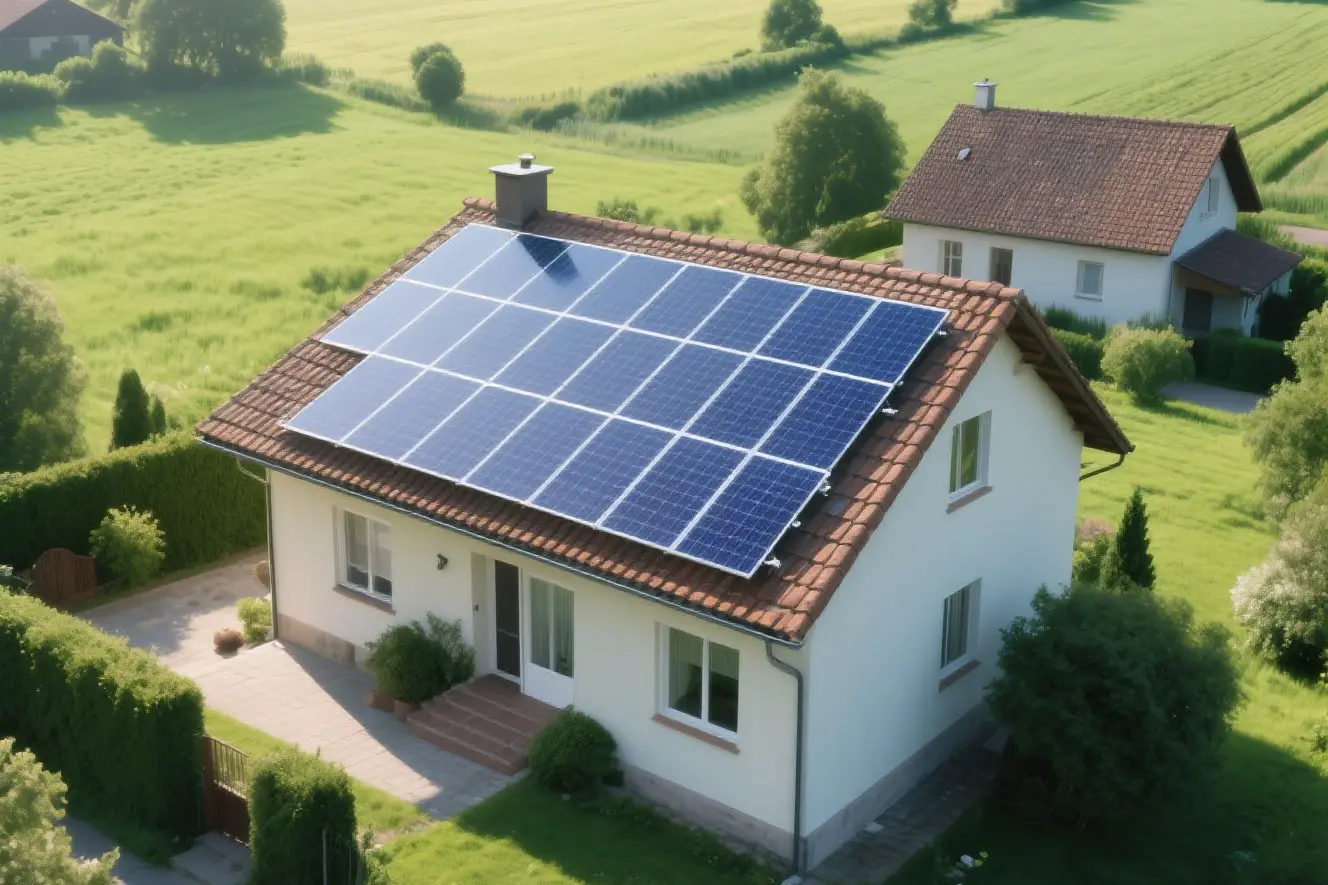
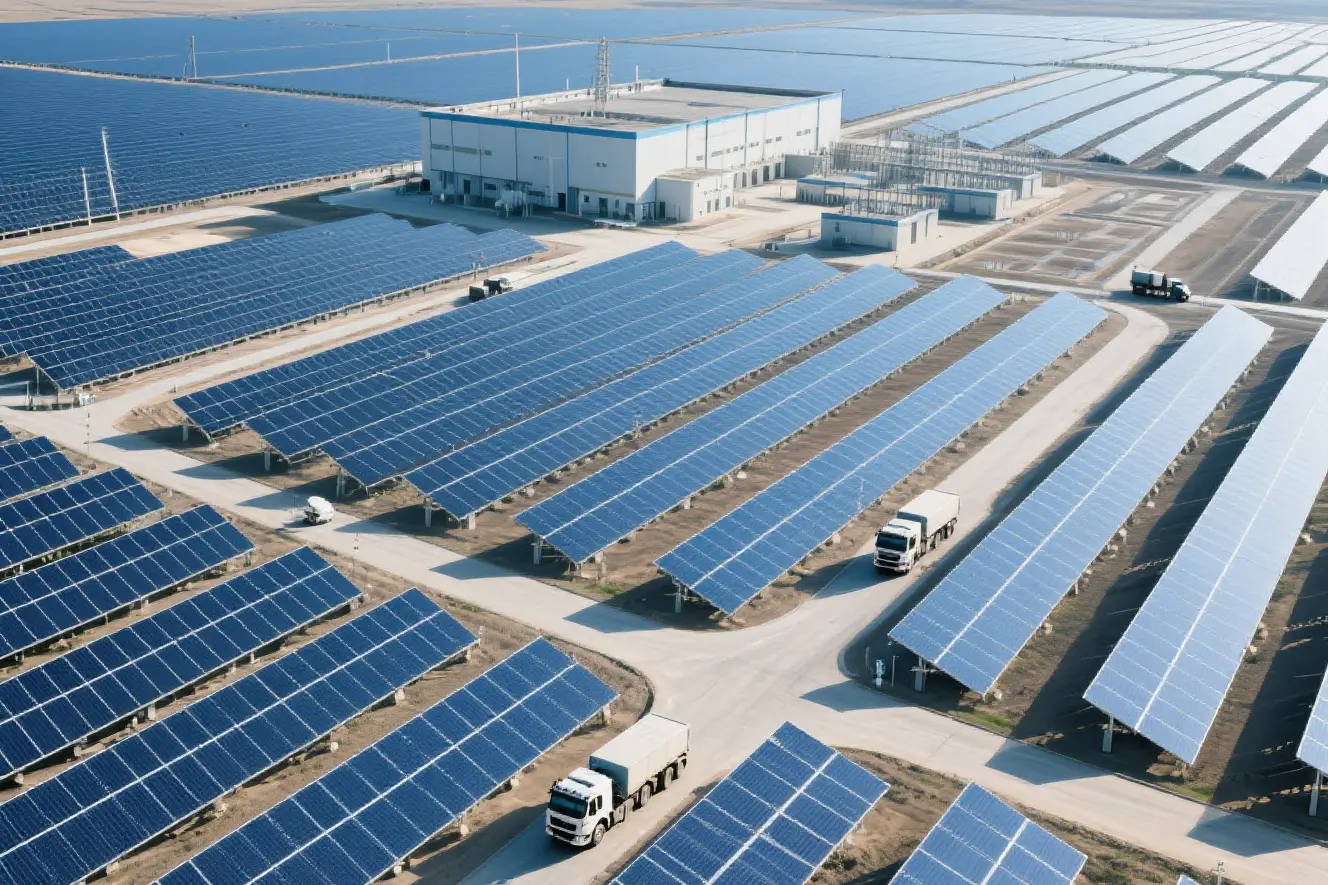
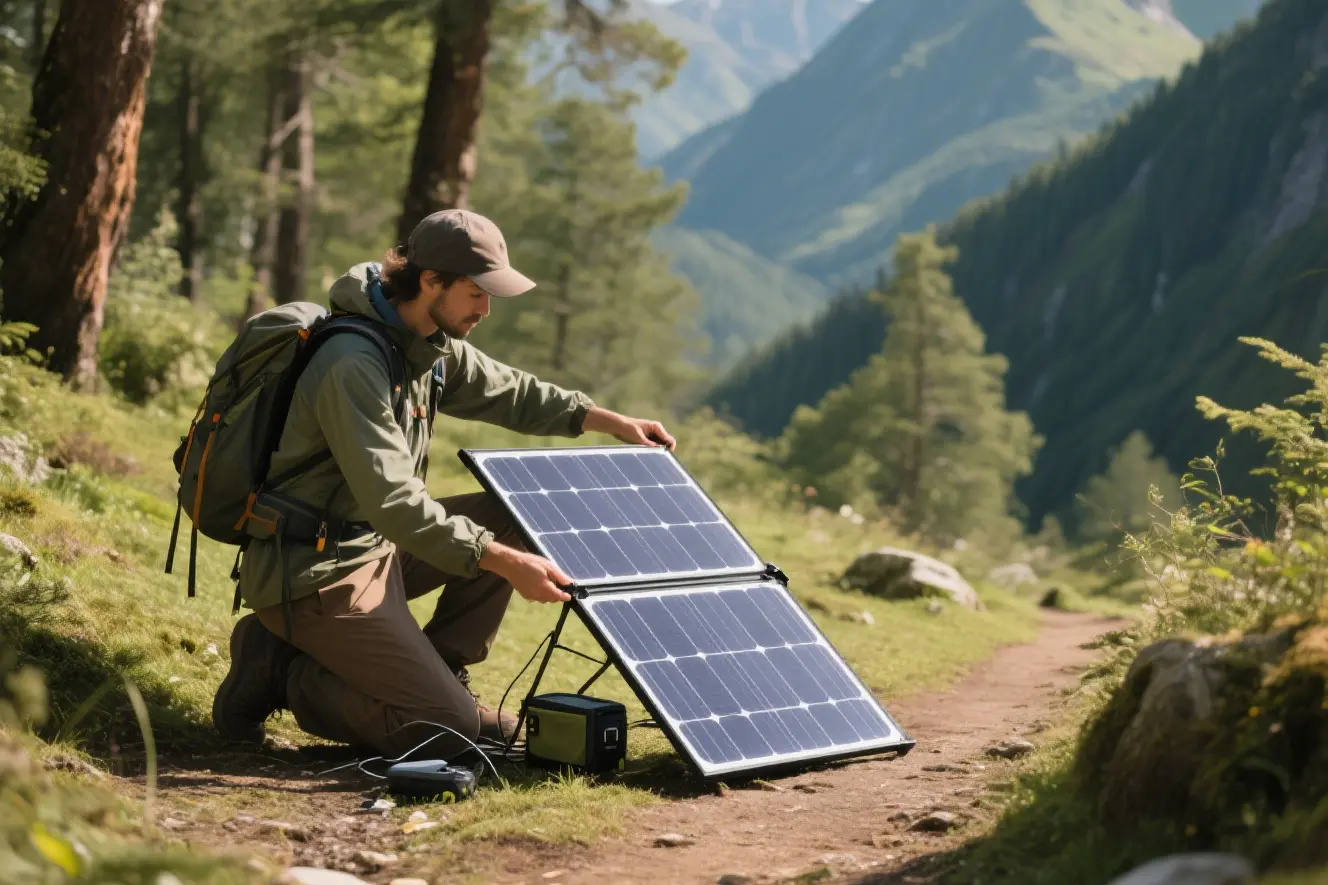
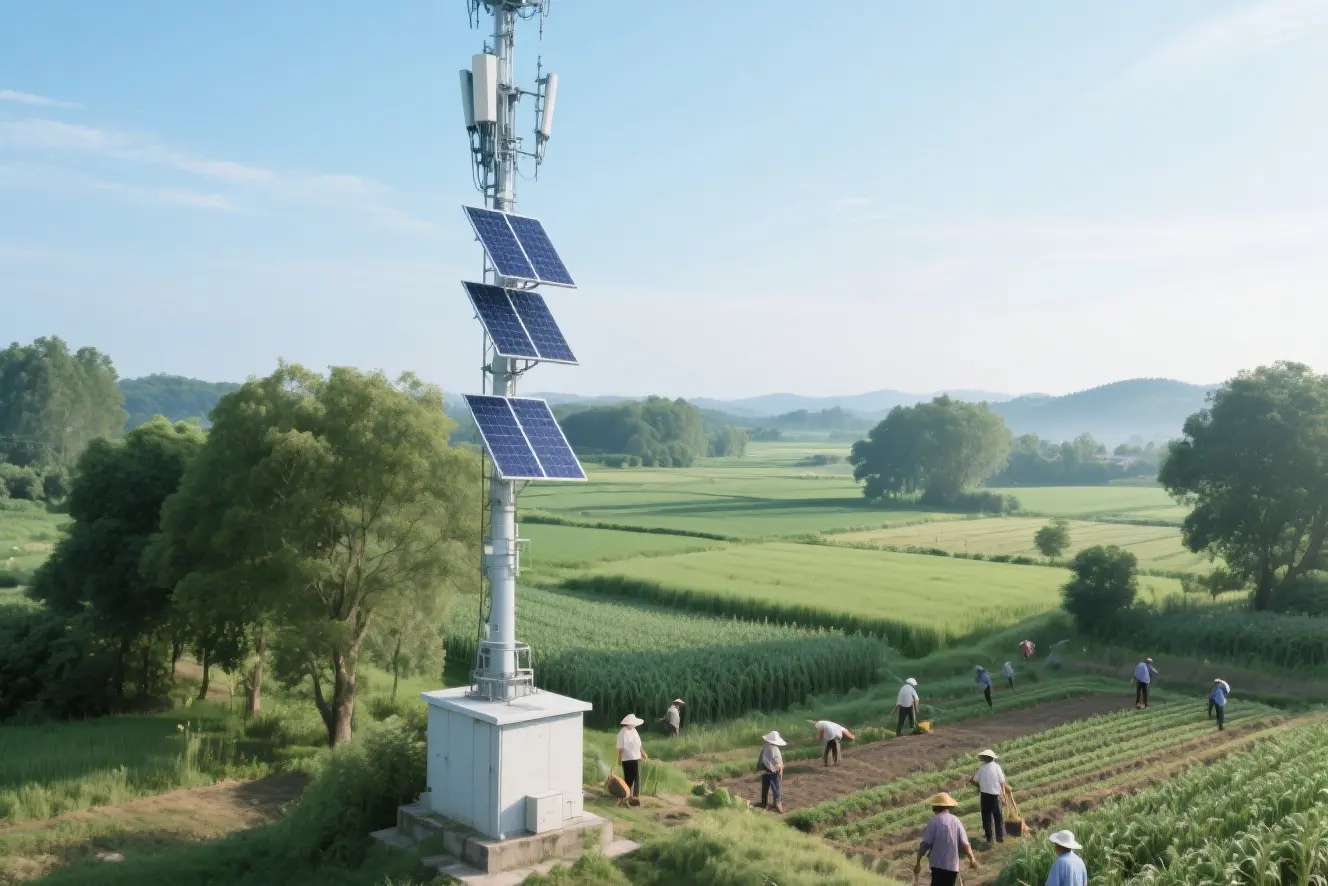
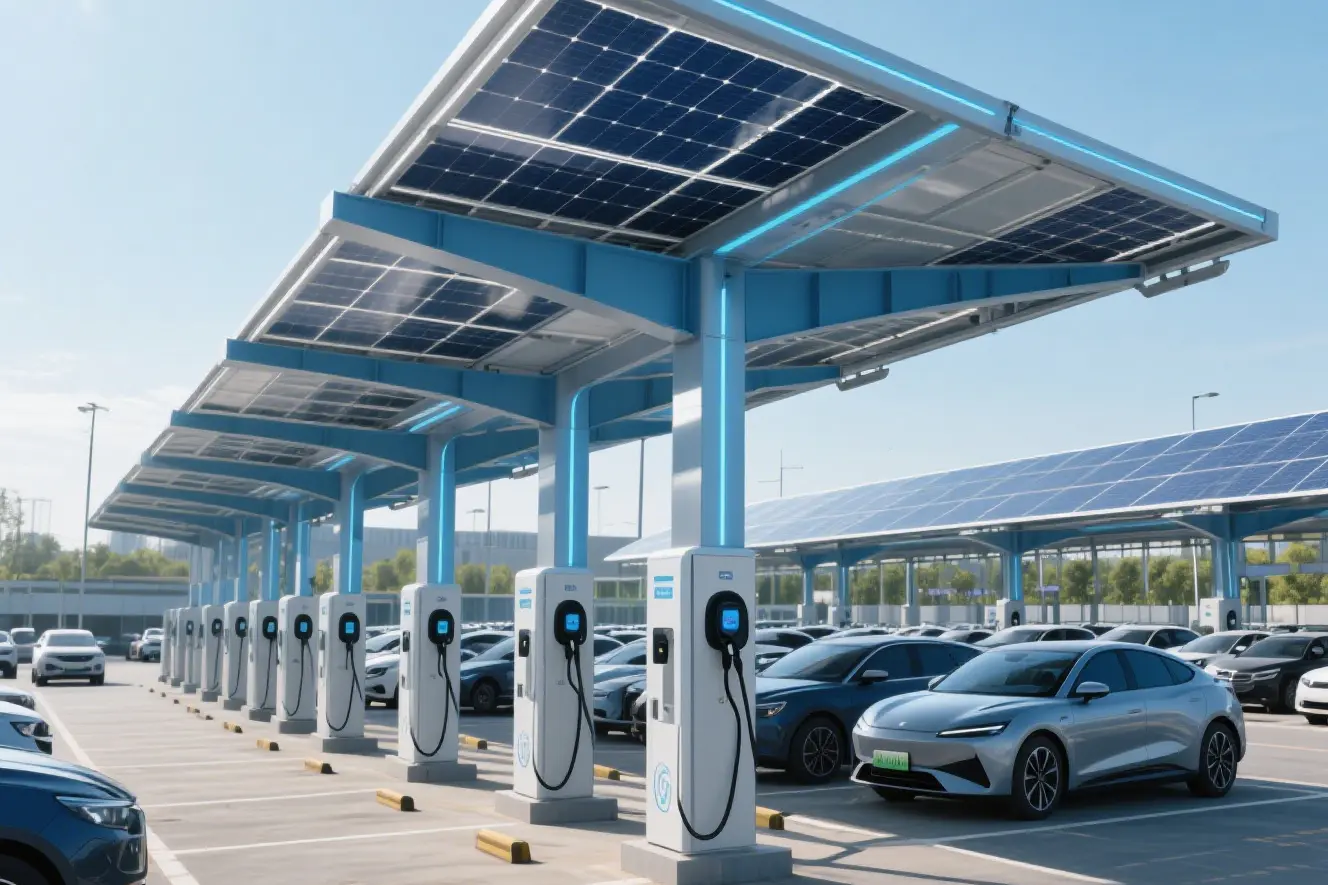
Fostering collaboration with leading corporations to deliver durable energy systems globally.
Adhering to our core values of win-win cooperation, technical reform, and social development.
Detailed technical solutions for international distributors, wholesalers, and project developers.
Submit RFQs directly to our engineering teams for wholesale pricing and customized OEM designs.