
Select from our top-tier industrial configurations including high-output PERC modules, portable solar arrays, off-grid systems, and advanced composite solar framing elements.
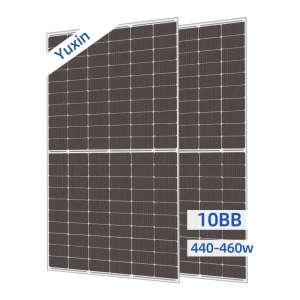
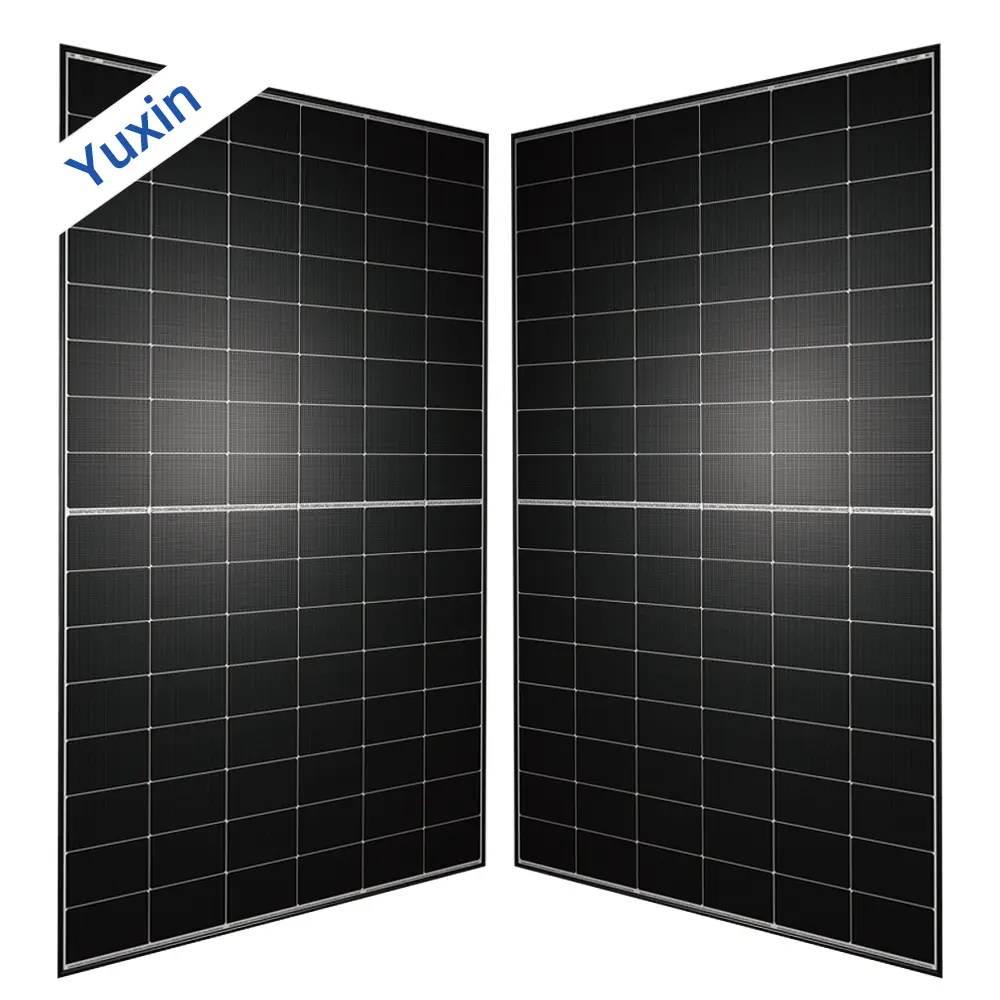
High-density 10BB architecture with power output options of 440W, 445W, 450W, 455W, and 660W. Perfect for commercial roofs.
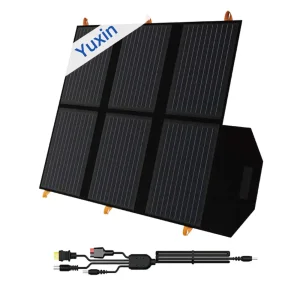
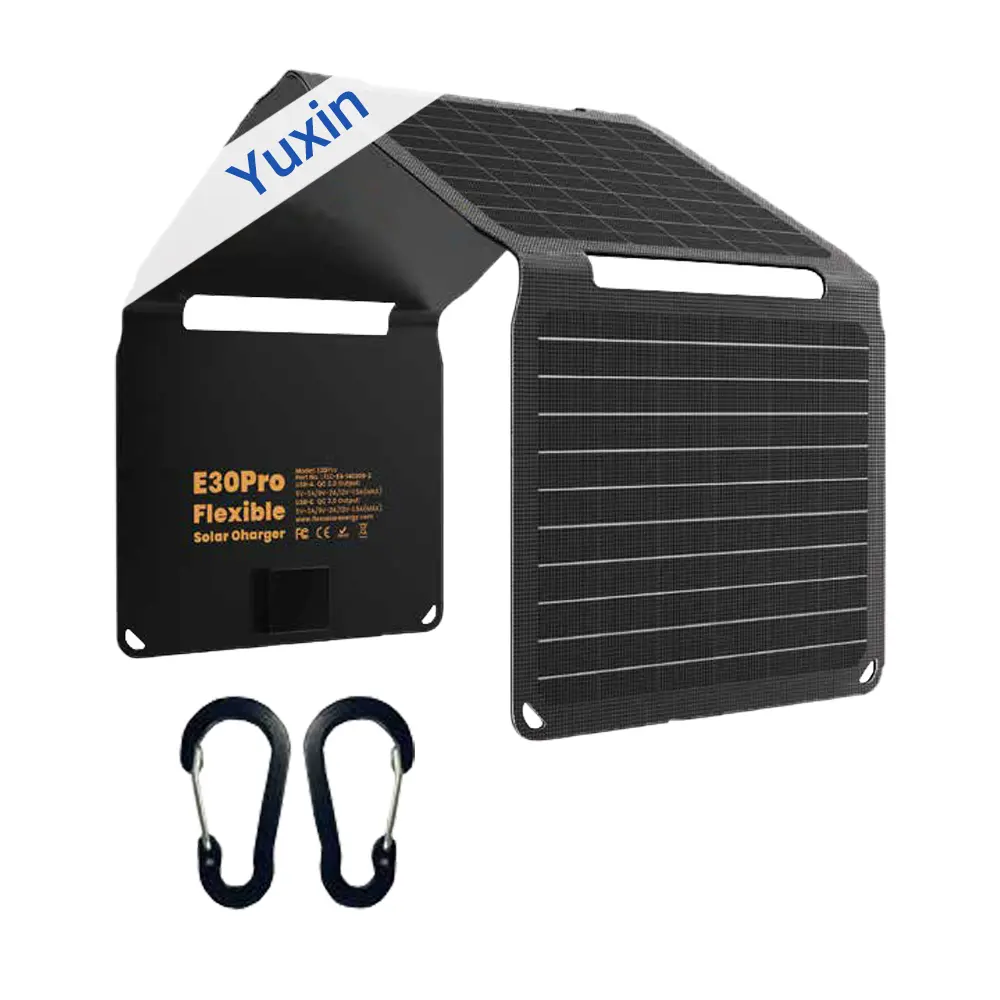
Designed for modern field operations, outdoor trekking, and mobile device charging with high-efficiency waterproof fabrics.
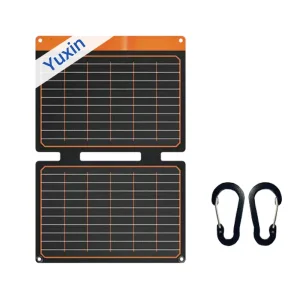
Lightweight design integrated with 20W monocrystalline silicon charger for phones and emergency battery banks.
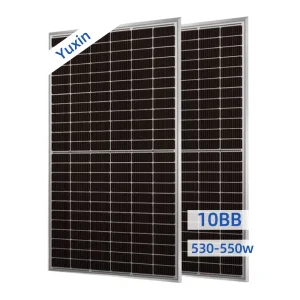
Industrial-scale monocrystalline modules scaling from 530W up to 550W, designed to lower balance of system (BOS) costs.
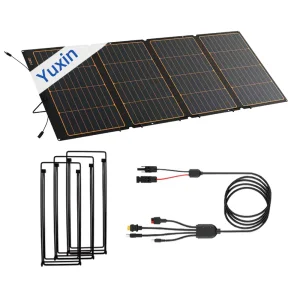
High-power foldable solar array configured for mobile emergency power stations and high-demand operations.
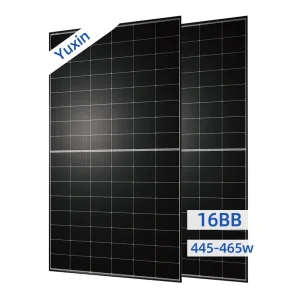
Features high efficiency N-type 16BB monocrystalline technology (445W to 465W) in a sleek black frame.
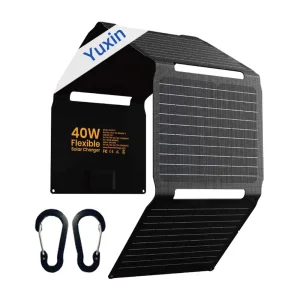
Rugged, weatherproof multi-compartment pack integrating flexible, high-efficiency solar cells outputting 40W.
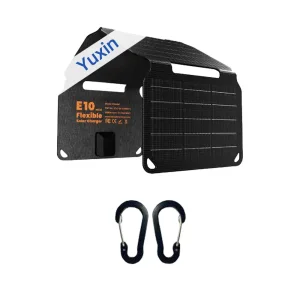
Ultra-lightweight 10W backup power storage integration for communication devices during basic outdoor tasks.
As the global utility landscape shifts away from carbon-intensive energy assets, the procurement of photovoltaic modules has evolved from a simple commodity transaction into a highly specialized technology alignment. Project developers, EPC planners, and engineering teams face escalating regulatory, geographical, and mechanical criteria when sourcing solar equipment. Factors such as the Levelized Cost of Energy (LCOE), durability against extreme weather loads, and raw material supply chain transparency have become central parameters in solar development.
Betop Camp, backed by the industrial manufacturing infrastructure of Jiangsu Yuxin New Energy Technology Co., Ltd., sits at the intersection of structural engineering and high-efficiency photovoltaic cell integration. The company addresses critical B2B bottlenecks by manufacturing not just standard PV modules, but also the structural framing components (including next-generation polyurethane composite frames) and commercial-scale energy storage systems (ESS). This integrated approach reduces Balance of System (BOS) mismatch risks and optimizes long-term asset yields.
| Operational Metric | Industry Target | Yuxin Capability / Output |
|---|---|---|
| Module Architecture | Bifacial N-Type TOPCon | Up to 590W (16BB Geometry) |
| Degradation Rate | <0.4% Annually | <0.4% over 30-year lifecycle |
| BOS Cost Mitigation | Substantial Reductions | Lightweight framings & high density cells |
| Structural Longevity | 5400Pa Snow Load | Polyurethane & 6063-T5 framing compatibility |
Evaluating solar manufacturing partners requires analyzing cell geometry, busbar configuration, and passivation technologies. Below is an engineering review of the primary technology lines deployed at Yuxin facilities:
Passive Emitter and Rear Cell (PERC) technology uses a back surface passivation layer to reflect unused light back through the silicon cell, boosting internal efficiency. Our 10BB (10 Busbars) design splits cells to reduce resistive losses and mitigate hot-spot risks, offering output capabilities from 440W up to 550W. This provides an excellent balance of cost and output for mid-scale installations.
Tunnel Oxide Passivated Contact (TOPCon) represents the cutting edge of cell design. Moving from P-type to N-type substrate eliminates boron-oxygen defect degradation (LID). Our N-type 16BB modules achieve conversion efficiencies exceeding 22.5%. Additionally, our dual-glass configuration resists vapor, salt spray, and ammonia ingress, maintaining a high bifaciality coefficient of up to 80-85%.
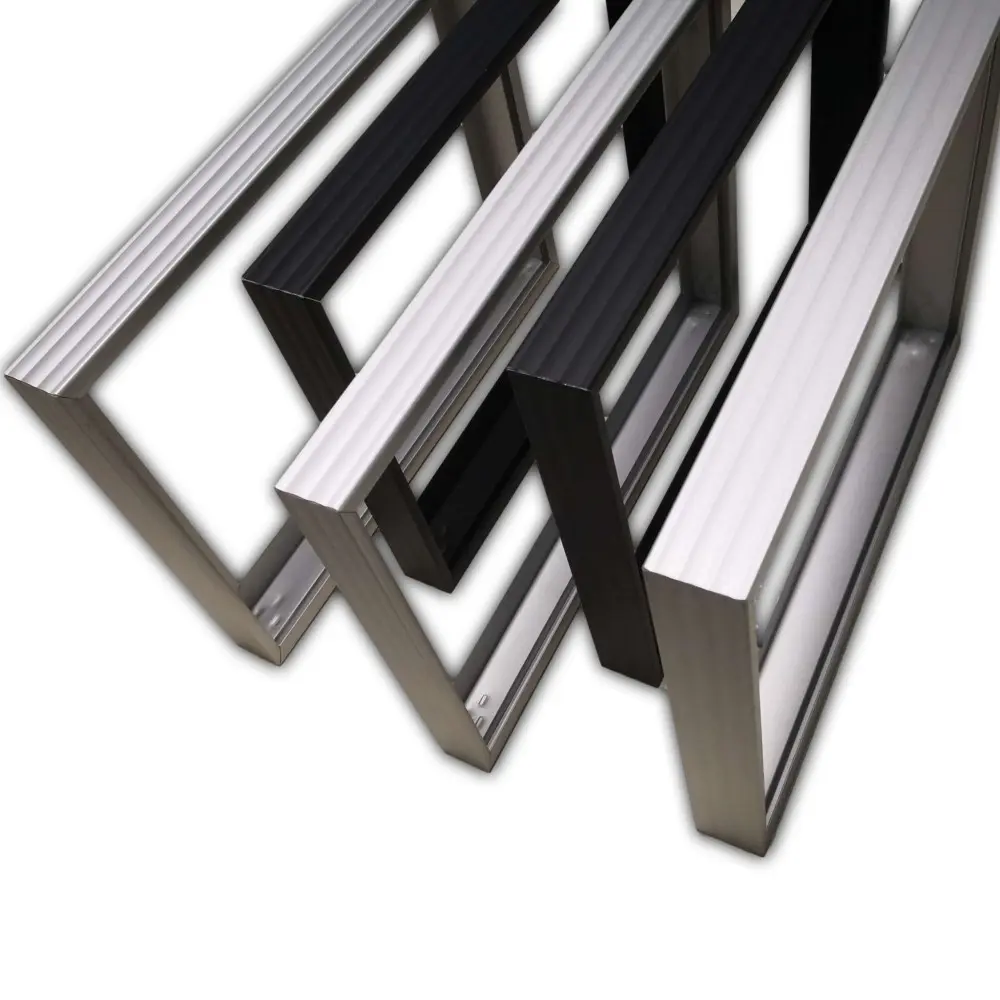
Standard aluminum frames (6063-T5/6005-T6) offer robust support, but coastal or highly corrosive environments require next-generation materials. Our sustainable polyurethane composite pultruded frames offer excellent mechanical properties, zero Potential Induced Degradation (PID) due to high insulation resistance, and a lower overall carbon footprint than traditional metal frames.
Jiangsu Yuxin New Energy Technology Co., Ltd. (operating as YUXIN / Betop Camp) is a specialized photovoltaic materials manufacturer. Established in 2008 in Yangzhou, Jiangsu Province, our facility is situated near key logistics routes, including the Beijing-Shanghai Expressway, the Runyang Yangtze River Bridge, and the Ningqi Railway, facilitating streamlined global shipping and distribution.
Over nearly two decades, YUXIN has grown into a diversified energy group managing 14 specialized subsidiaries. Recognized as a National High-tech Enterprise, a Technology-based Enterprise, and one of Gaoyou City's Top 100 Private Enterprises, YUXIN focuses on high-precision manufacturing, material reliability, and safety.
We supply diverse industrial products designed to minimize solar Balance of System (BOS) costs while optimizing total performance metrics:
Our photovoltaic modules, structures, and systems are deployed across diverse sectors to ensure energy resilience and support global sustainability initiatives.

Bifacial solar panels allow light transmission to support crop growth while simultaneously generating power. Polyurethane composite frames resist chemical vapor corrosion from fertilizers and damp soil.
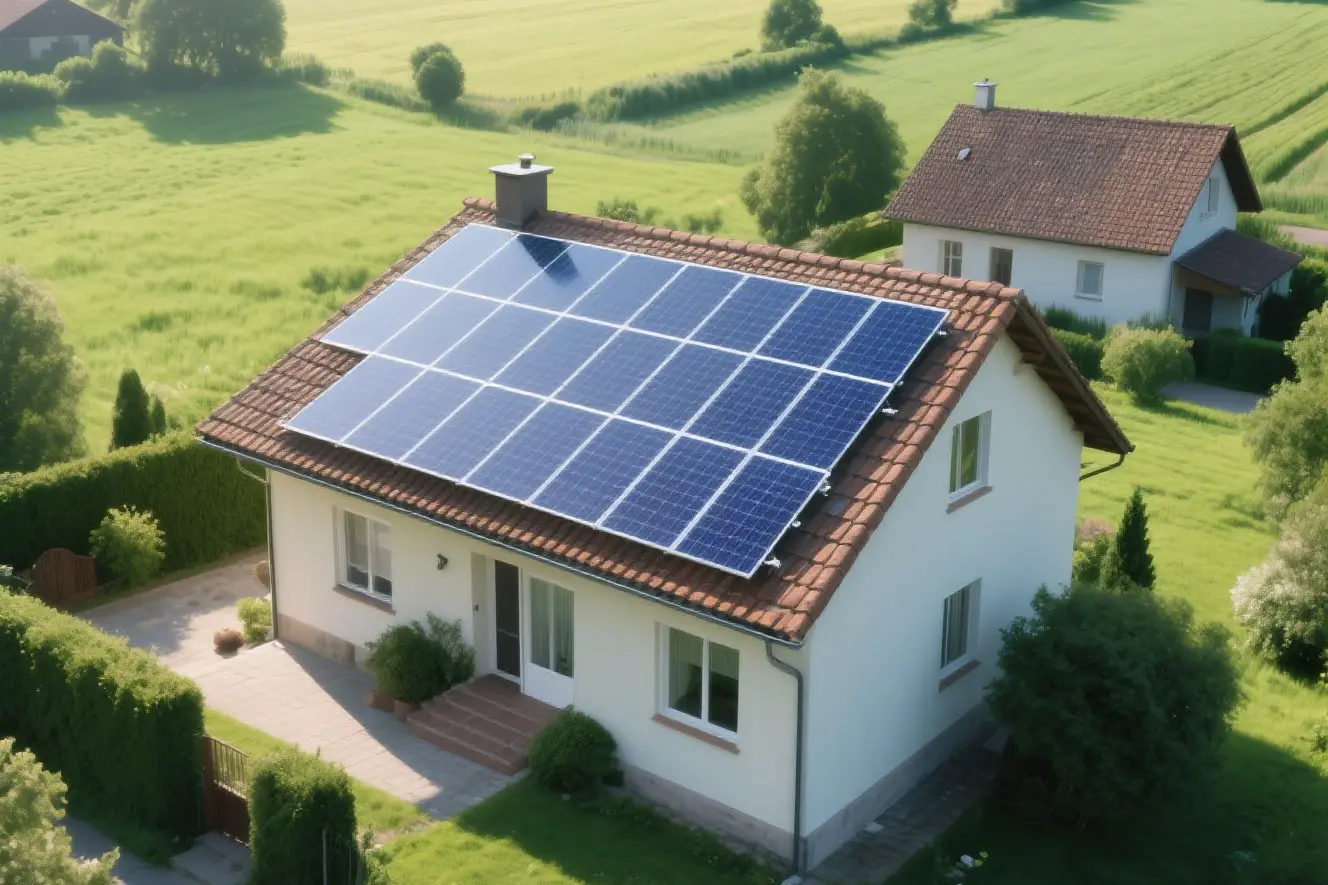
Ideal for commercial building envelopes and structural rooftops. Our lightweight framing configurations help structures meet load-bearing constraints and comply with local safety and building regulations.
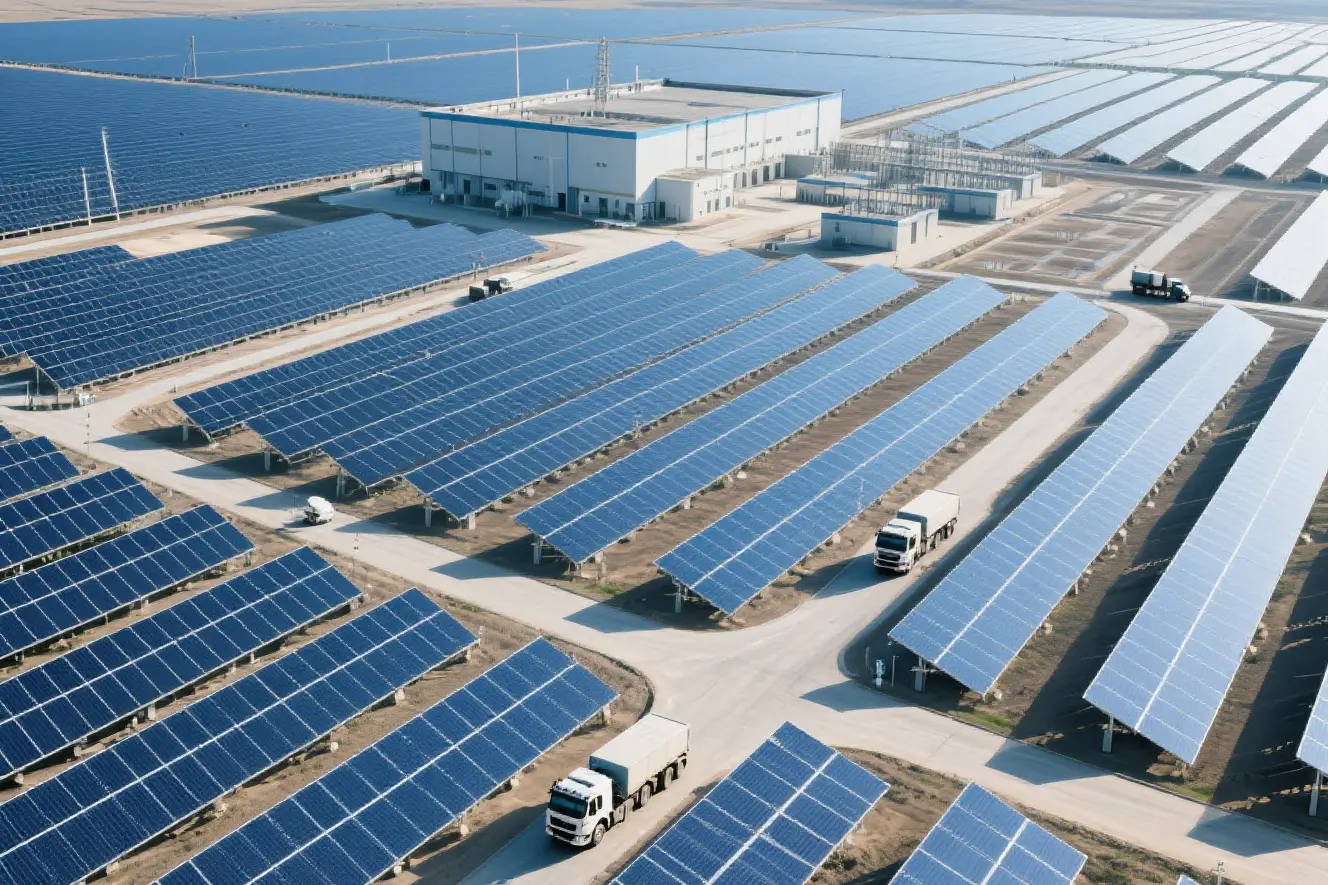
Designed for large-scale grid connections. Integrating N-type TOPCon dual-glass panels optimizes ground reflection gains and reduces Levelized Cost of Energy (LCOE) across long operational lifecycles.
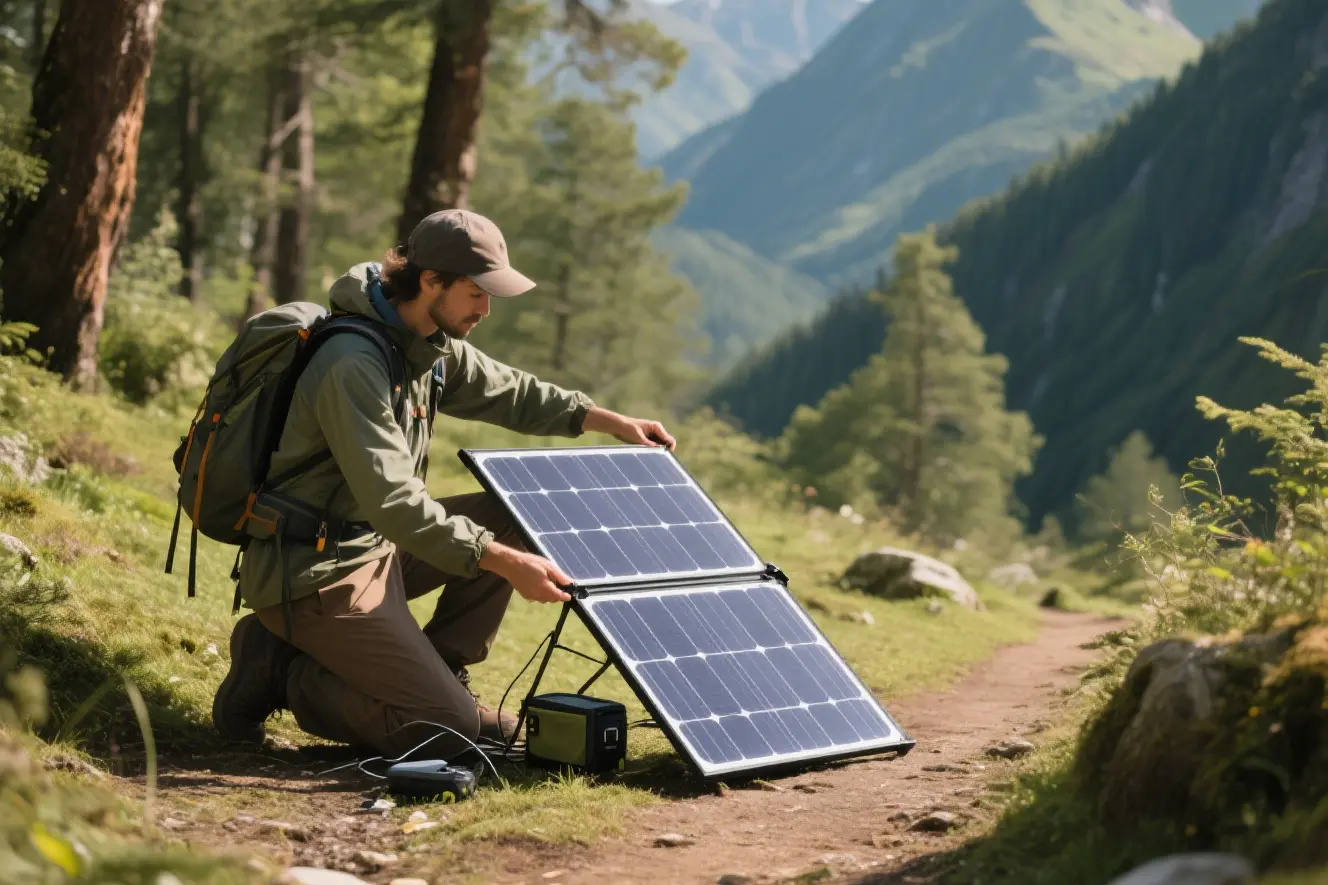
Providing reliable backup power for scientific research, military scouting, and remote base camps. Includes lightweight solar packs (10W to 60W) and portable generators (240W) to keep field electronics running.
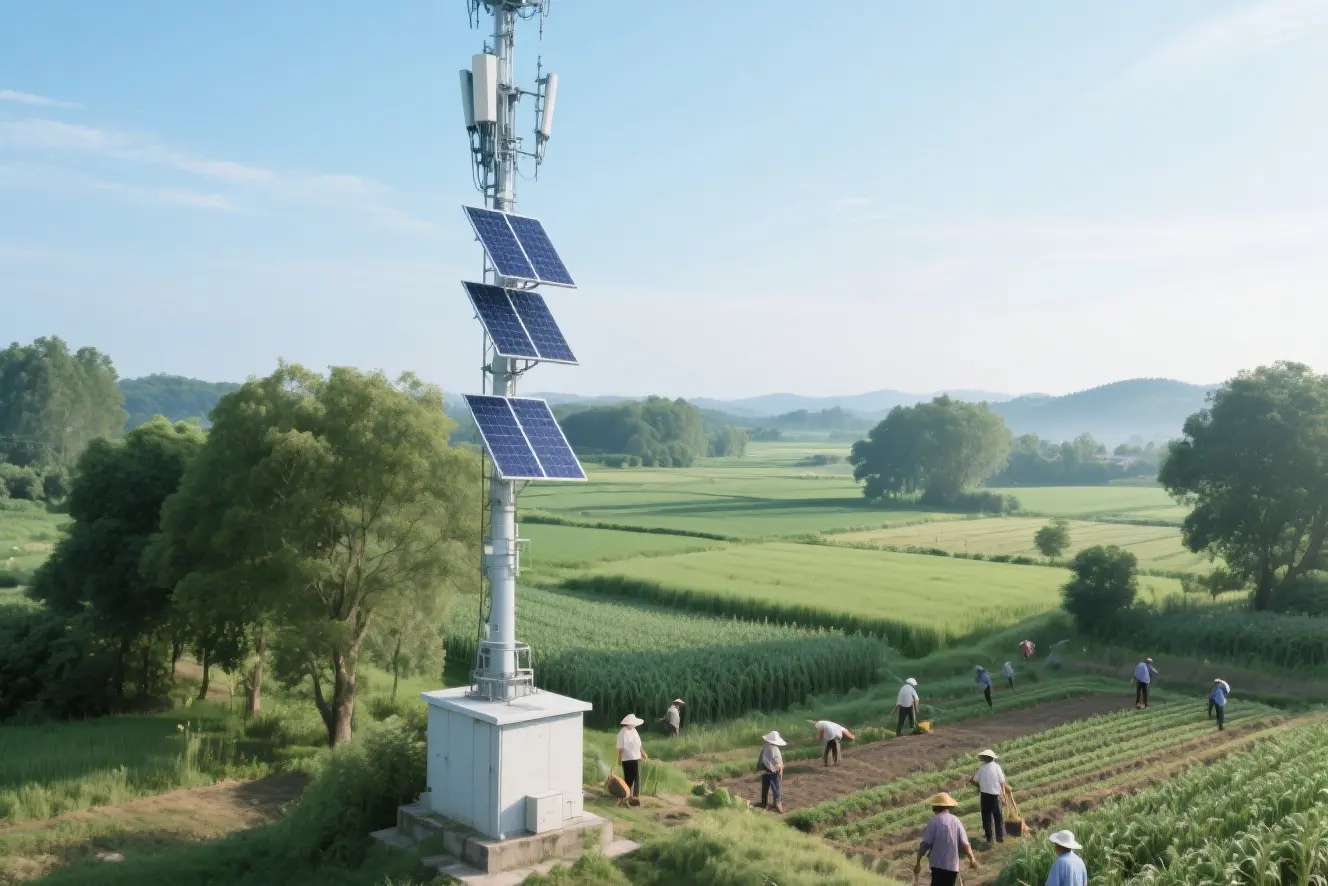
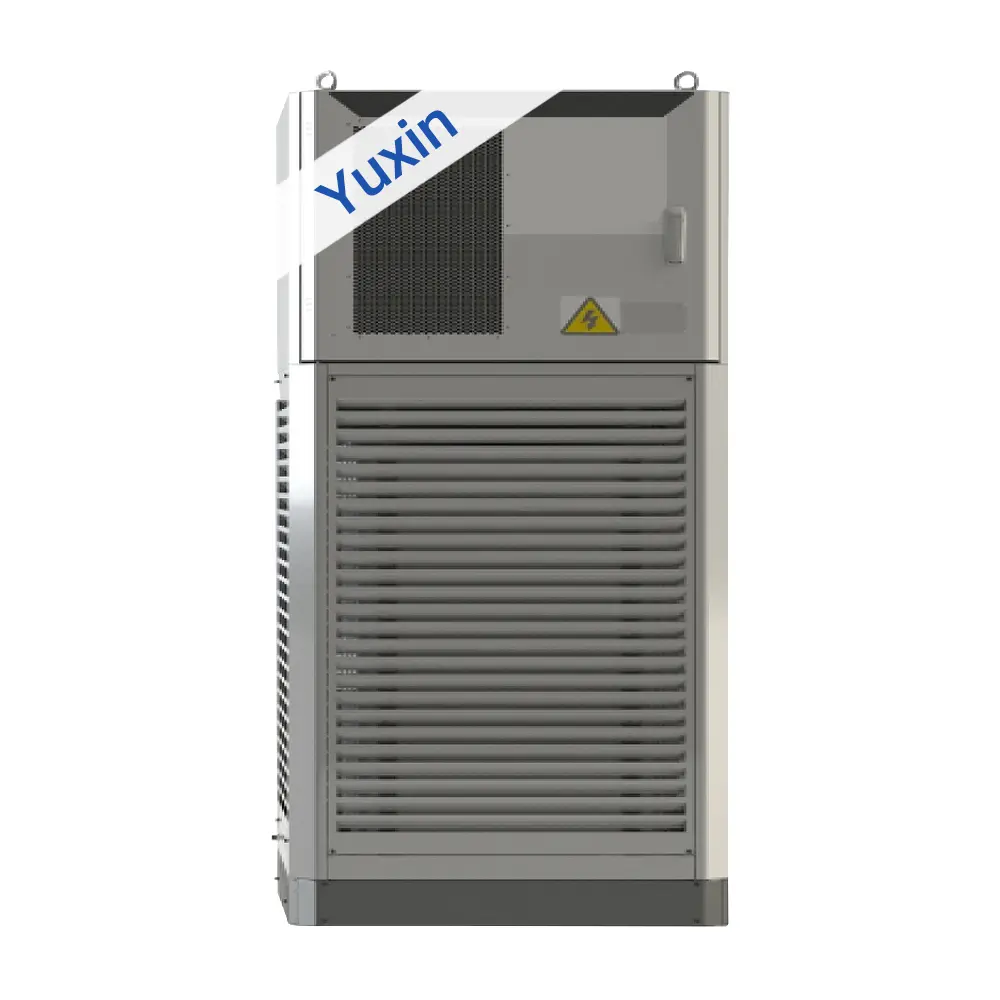
Providing off-grid power solutions for remote telecom towers. Direct integration with modular commercial storage units (P01-EC60-30K) ensures continuous uptime for rural networks.
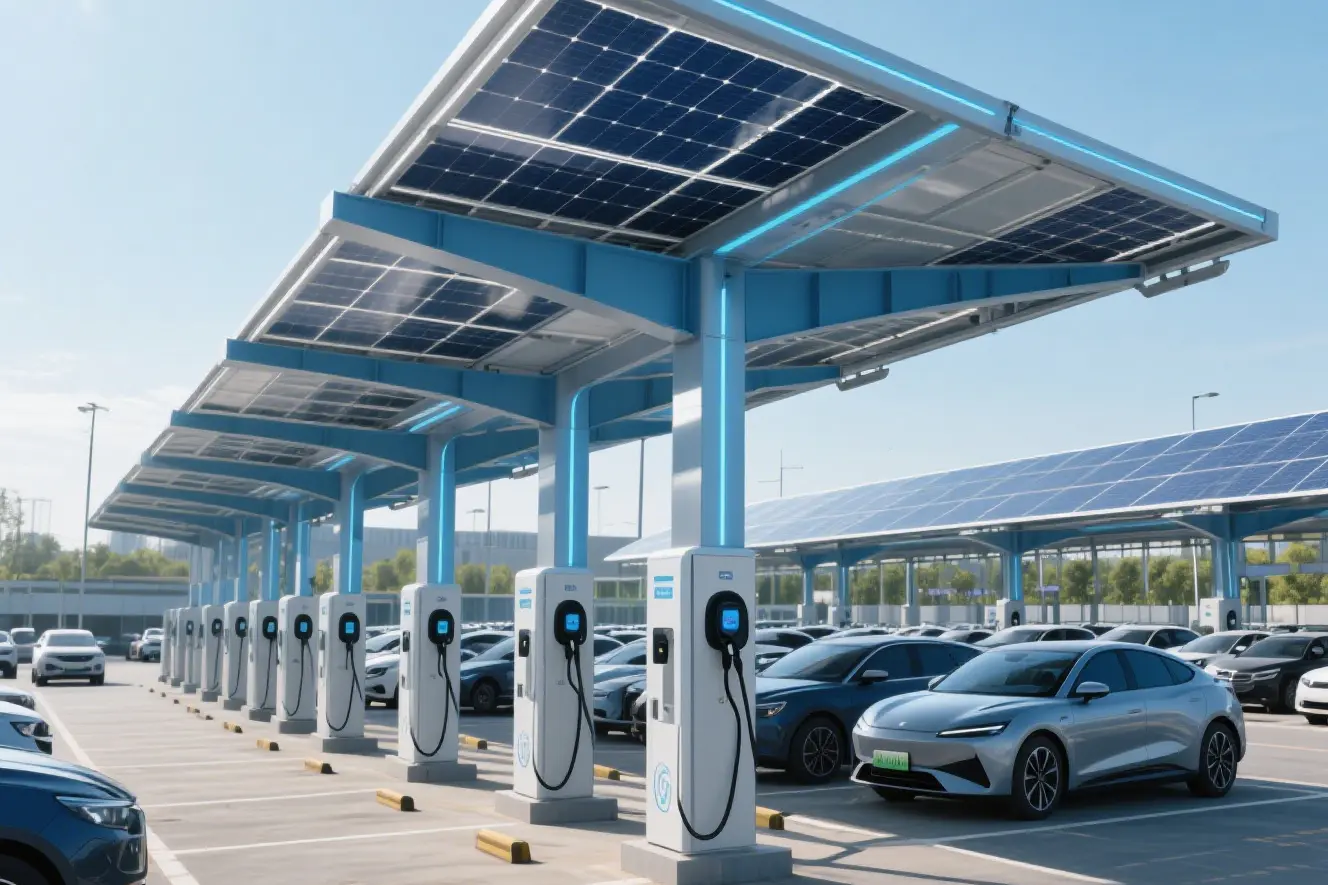
Powering remote monitoring instrumentation, railway signaling equipment, and highway safety systems. Reduces dependence on municipal grid cabling in remote areas.
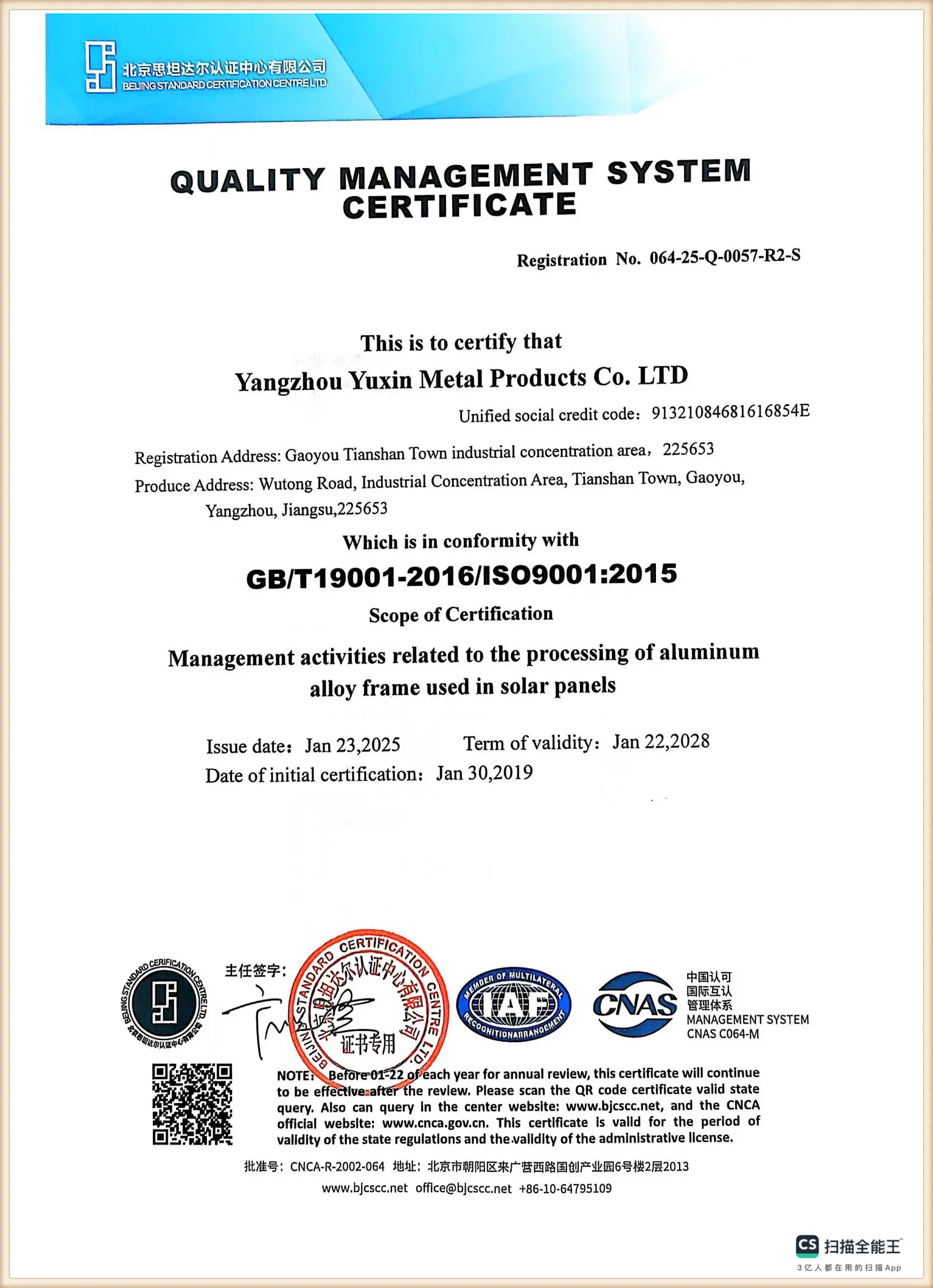
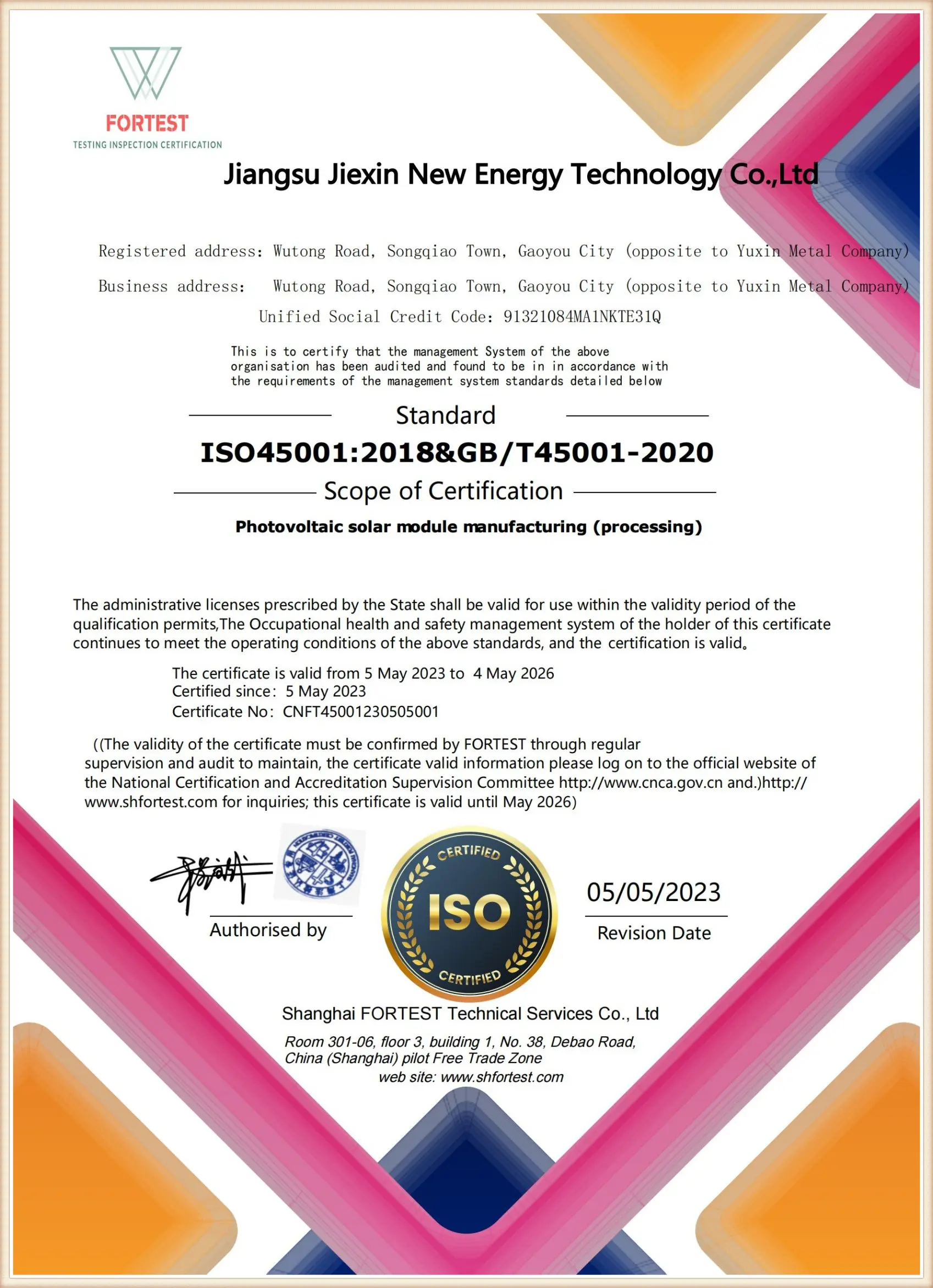
Our manufacturing and quality assurance workflows comply with stringent international standards, enabling global market integration and seamless grid connection compliance.
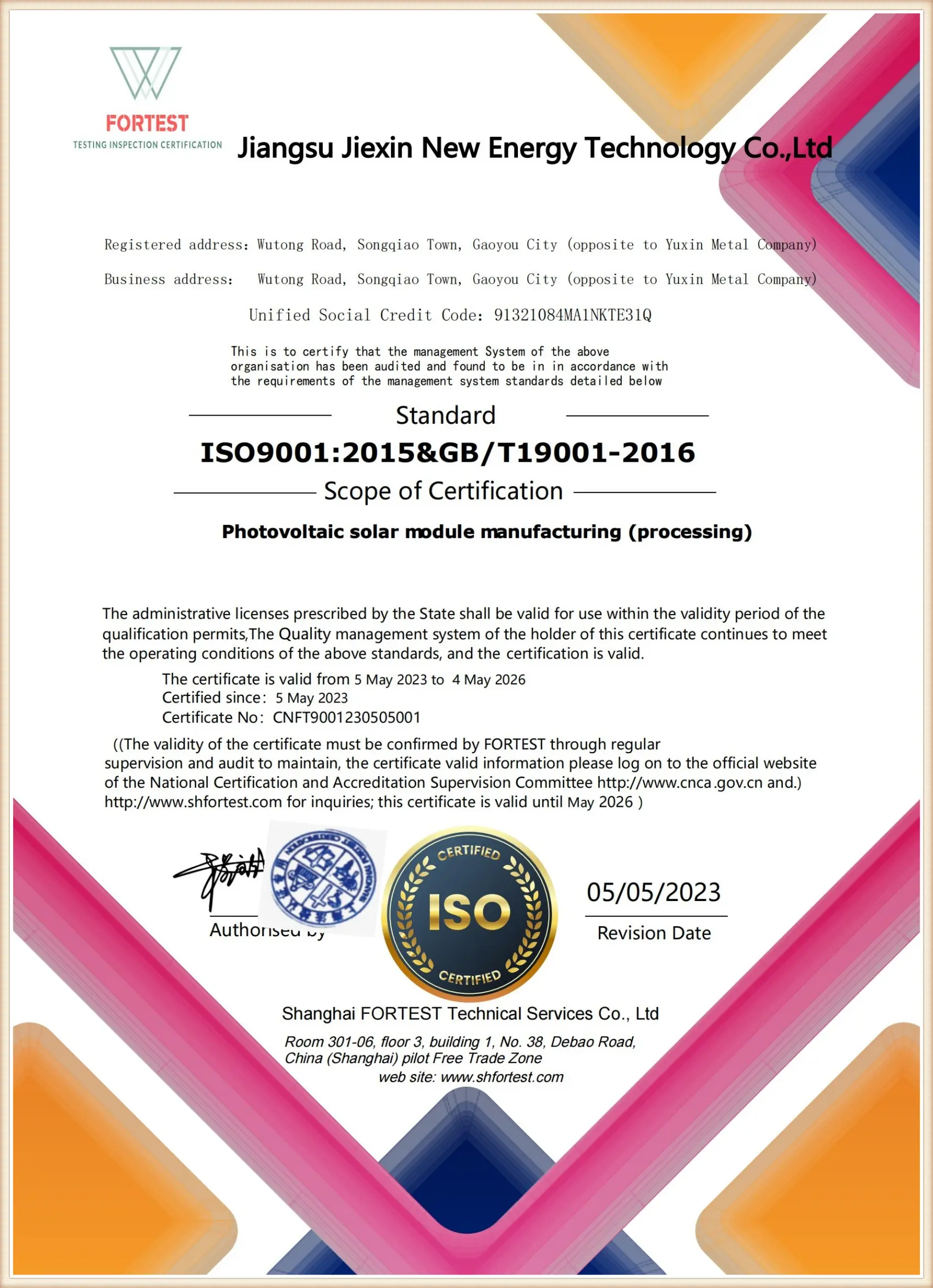
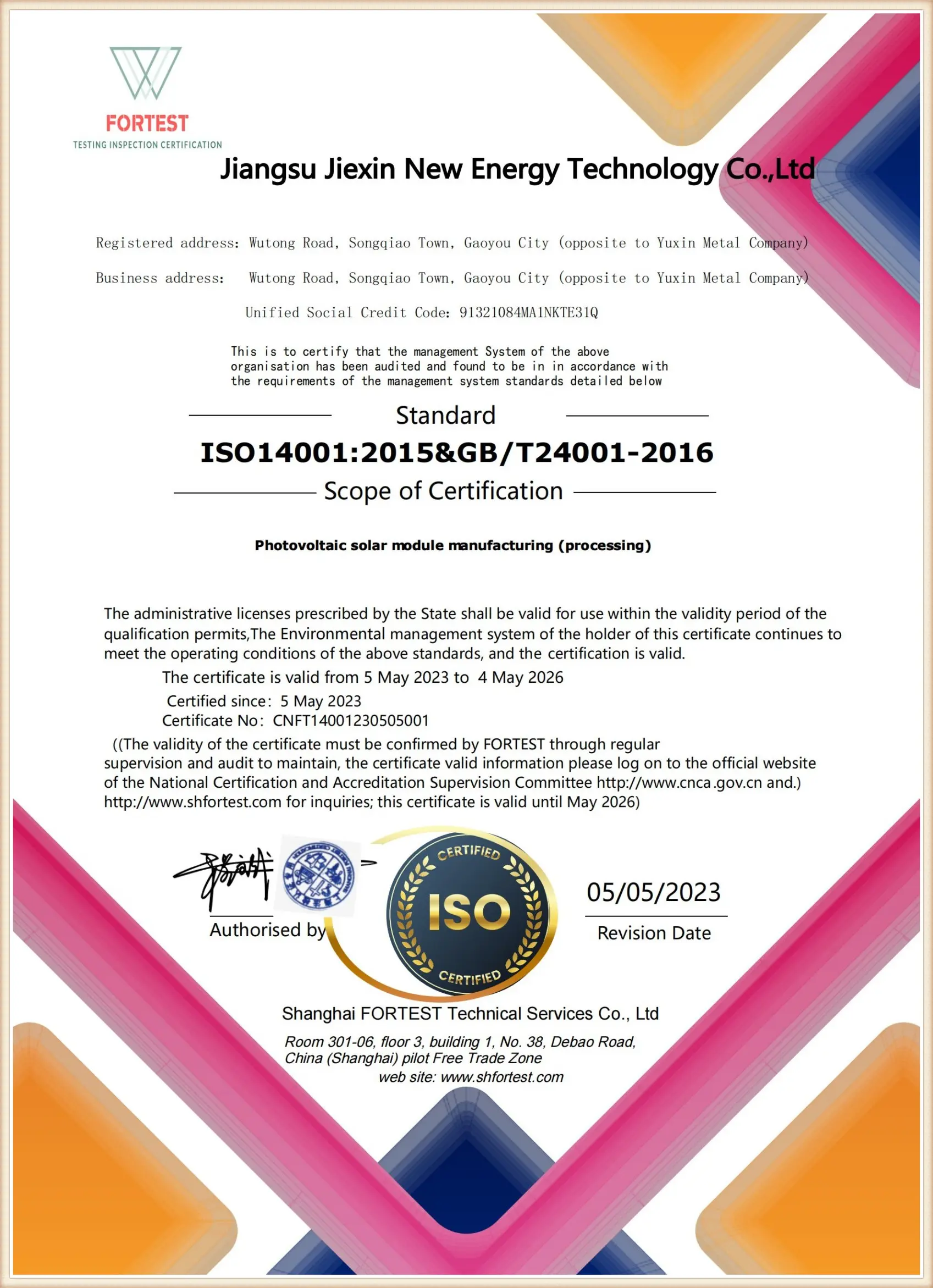
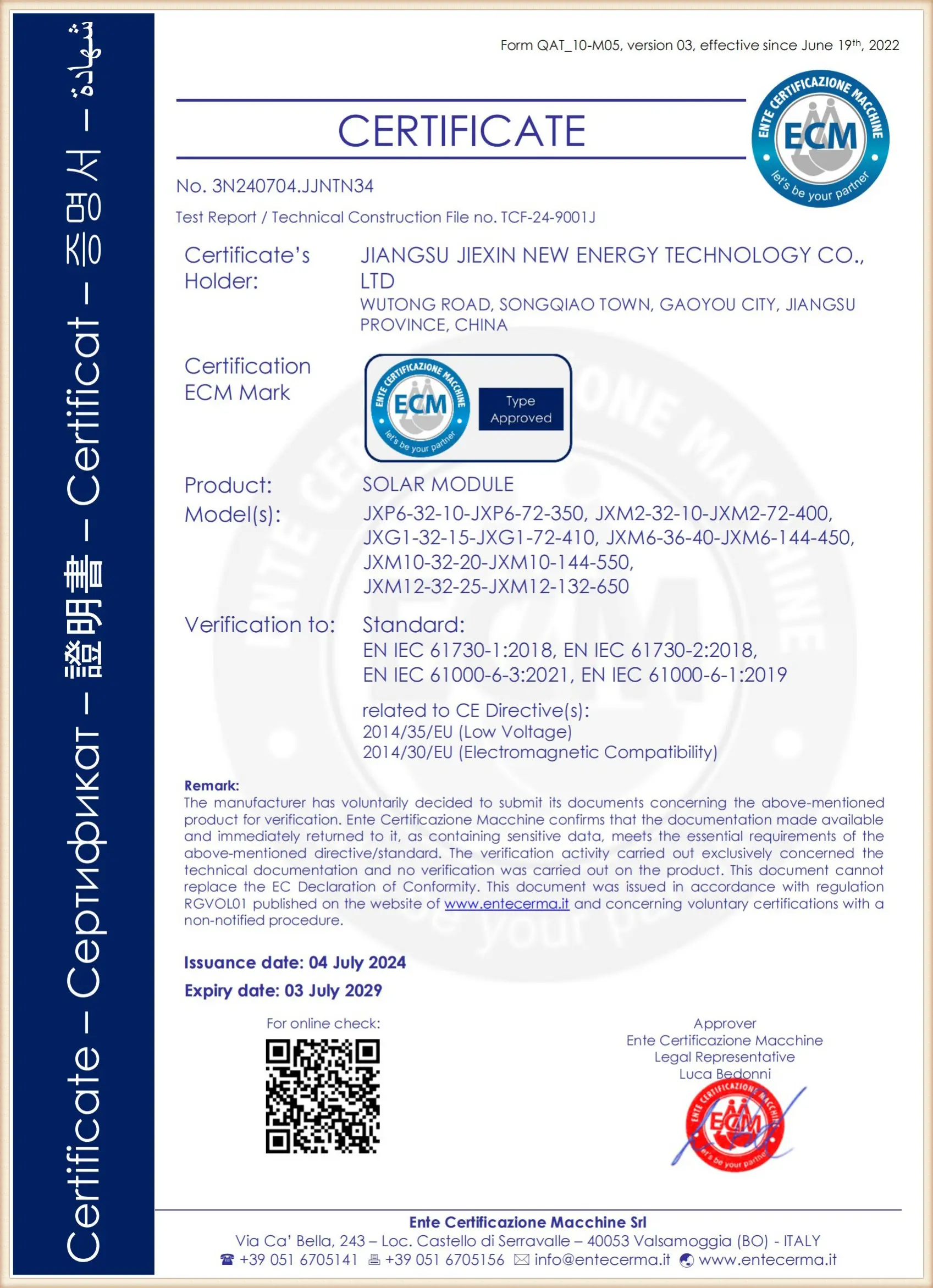
Collaborating with top-tier industrial partners, raw material suppliers, and global distribution channels to ensure reliable material supplies and consistent logistics.


Our engineering research team prioritizes material longevity, cell efficiency, and manufacturing sustainability to stay ahead of market demands. Key initiatives on our current design roadmap include:
While our current N-type TOPCon modules achieve over 22.5% efficiency, our research department is developing perovskite-silicon tandem cells. This design layers a perovskite cell over a conventional silicon base to harvest different light wavelengths, targeting cell conversion efficiencies beyond 28% in the coming years.
Traditional aluminum extraction is carbon-intensive. Our composite polyurethane frames use renewable pultrusion processes, offering an alternative that reduces carbon emissions by over 40% compared to typical metal frames. These composite materials also provide complete electrical isolation, eliminating Potential Induced Degradation (PID) risk.
Find answers to key technical questions from solar developers, engineering leads, and procurement planners.
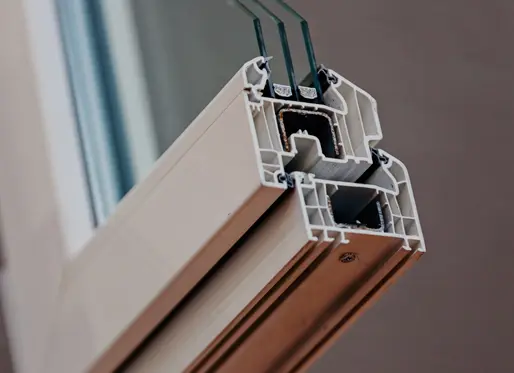
An evaluation of structural stiffness, anodization depth, and mechanical load performance under extreme weather conditions.
Read More →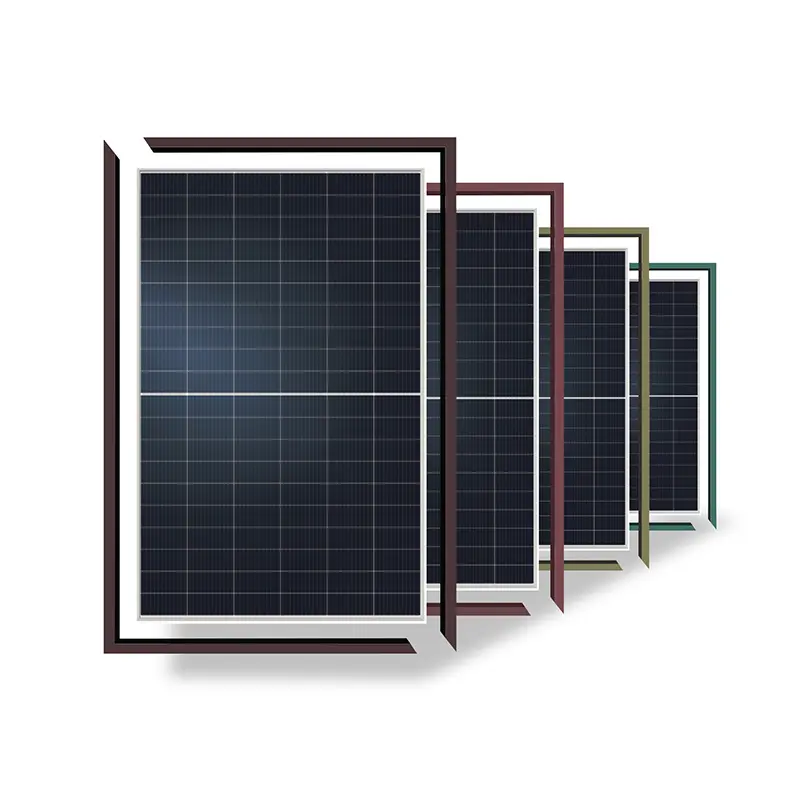
Key quality metrics for procurement managers, focusing on alloy purity, automated tolerances, and supply capacity.
Read More →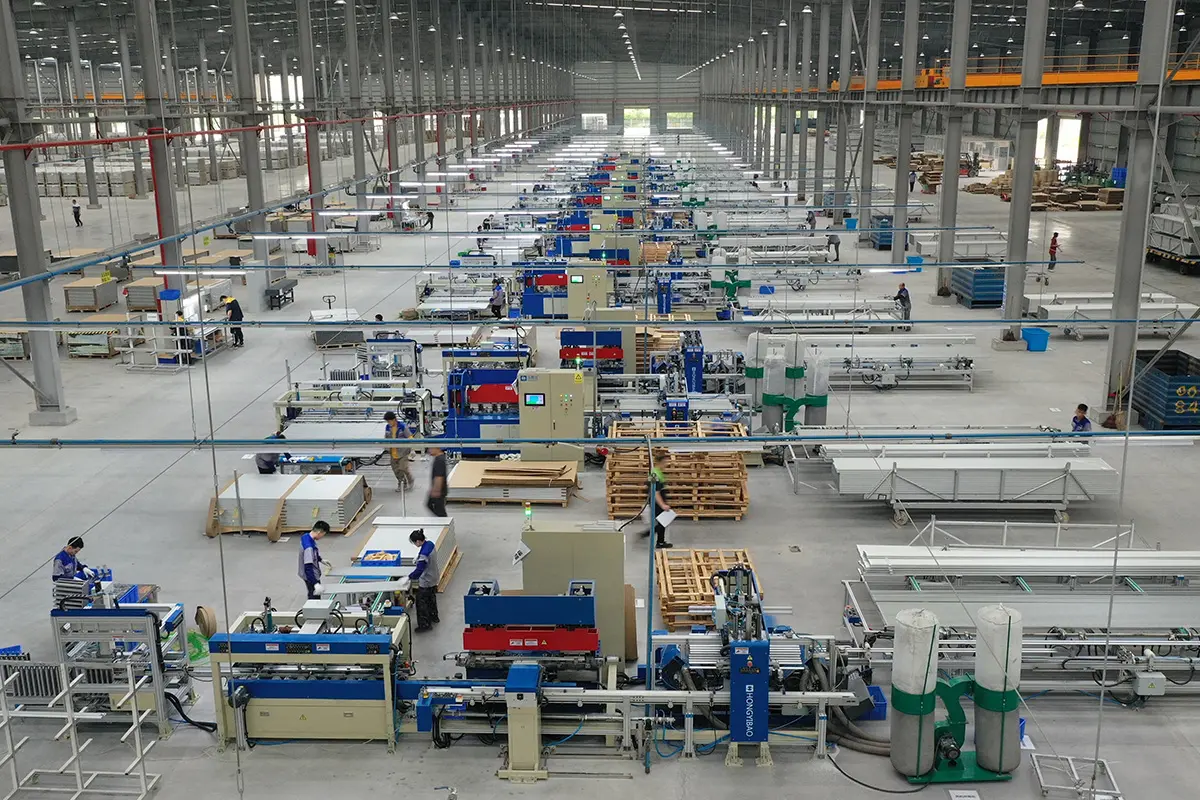
A look at checking tolerances and cross-sectional strength during extrusion, with tips for identifying structural micro-defects.
Read More →Browse our full selection of solar frames, energy storage products, and advanced N-type bifacial silicon PV systems.
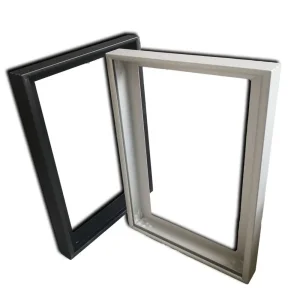
Precision-extruded aluminum frames with anodized coatings to protect against corrosion and weathering.
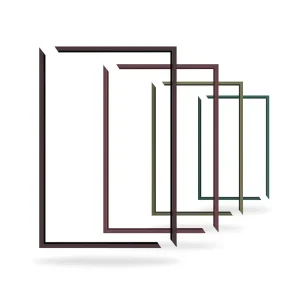
High-strength, non-conductive pultruded frames designed to prevent PID and lower carbon emissions.
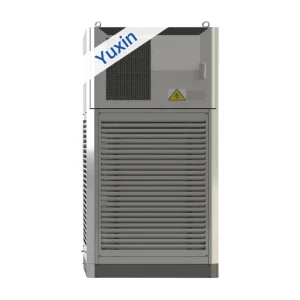
Scalable energy storage solution designed for peak shaving, backup power, and smart load management.
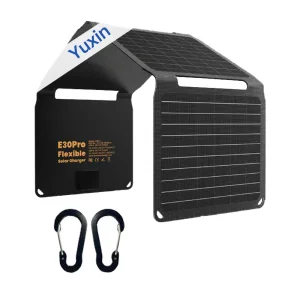
Medium-capacity field pack integrating a 30W charger to keep support electronics charged in remote areas.
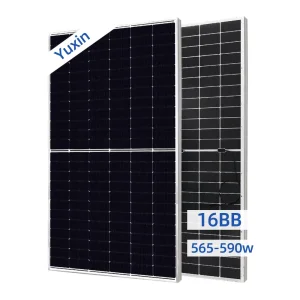
High-output bifacial modules with 16BB cell geometry, designed to maximize generation on ground-mount projects.
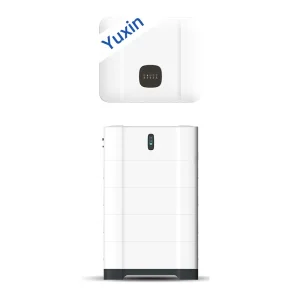
High-voltage battery storage system designed to optimize residential self-consumption and energy security.
Rugged, weatherproof multi-compartment pack integrating flexible, high-efficiency solar cells outputting 40W.
Ultra-lightweight 10W backup power storage integration for communication devices during basic outdoor tasks.