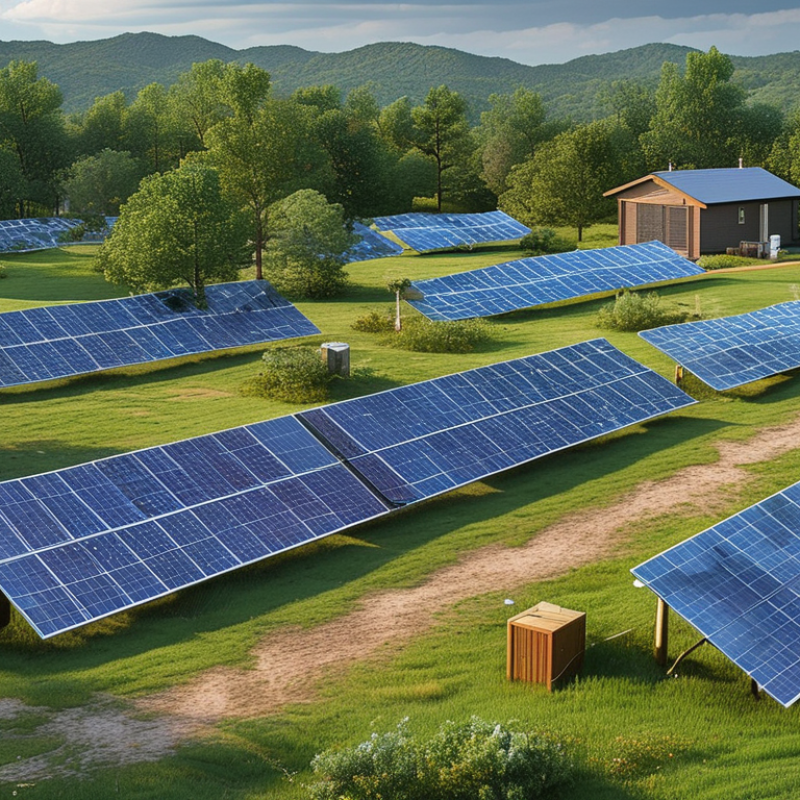
Choosing the right Off-Grid Solar Kits can be a game-changer for your energy needs. These kits empower you to generate electricity without relying on the grid. However, selecting the best option requires careful consideration.
When evaluating Off-Grid Solar Kits, think about your specific needs. Are you looking for something portable for camping? Or do you need a robust setup for a remote cabin? Each situation demands different features and power capacities. Take a moment to assess your energy consumption. This reflection is crucial.
Moreover, not all kits are created equal. Look for reputable brands known for quality and reliability. Read reviews and understand the experiences of others. It's also wise to consult an expert. Their insights can save you time and money. Remember, investing in the wrong system can lead to frustration. Stay informed and choose wisely to enjoy sustainable energy.
Understanding Off Grid Solar Kits: Key Features to Consider
When selecting off-grid solar kits, it's vital to understand their key features. The right kit should cater to your specific energy needs. Consider the energy capacity of the system. Typical off-grid setups range from 400 watts to over 10,000 watts. Knowing your consumption is crucial. A report from the National Renewable Energy Laboratory reveals that households using solar can save 50-80% on their energy bills.
Battery storage is another essential element. High-quality lithium batteries offer longer life and efficiency. Look for systems with at least 200 amp-hours capacity. This ensures you have adequate backup during cloudy days. Remember, more batteries increase your costs. Strike a balance between budget and functionality.
Tip: Regularly assess your energy usage. Monitor your consumption patterns to avoid under or oversizing. Furthermore, all components must be compatible. Incompatible parts can lead to inefficiencies and costly replacements. Most critical is adhering to safety standards. Your long-term satisfaction depends on the reliability and efficiency of your off-grid solar kit.
Essential Tips for Choosing Off Grid Solar Kits for Your Needs
This chart illustrates key components to consider when choosing off-grid solar kits. The data demonstrates recommended values for battery capacity, solar panel wattage, inverter capacity, and charge controller type to help guide your selection based on your energy needs.
Assessing Your Energy Needs for Off Grid Solar Systems
When assessing your energy needs for off-grid solar systems, it is crucial to conduct a thorough evaluation. Start by determining your daily energy consumption. Most households generate energy consumption data by multiplying the wattage of each appliance by the hours of usage. According to the U.S. Department of Energy, the average home consumes about 877 kWh per month. This translates to approximately 29 kWh per day. Knowing your daily needs helps in sizing the solar system effectively.
Consider seasonal variations in energy needs. For instance, winter heating demands may drastically differ from summer cooling needs. Reports from the National Renewable Energy Laboratory indicate that energy requirements can fluctuate significantly based on temperature and daylight hours. A detailed analysis of usage patterns allows for better solar panel placement and orientation. Remember, underestimating energy needs may lead to system failures or energy shortages during critical times.
In addition, think about future energy demands. Will you buy new appliances or add extra rooms? Planning for additional capacity could save you from costly system expansions later. Moreover, it’s essential to reflect on the reliability of energy sources. Off-grid systems require adequate battery storage to manage supply during low sunlight days. Experts suggest a battery bank that can cover at least two days of energy needs, ensuring you have enough buffer in case of unexpected weather changes.
Evaluating Different Types of Off Grid Solar Kits Available
When evaluating different types of off-grid solar kits, it’s crucial to consider your energy needs carefully. Assess the total wattage you require daily. For instance, if you plan to power a refrigerator, lights, and devices, calculate their combined wattage. This helps in sizing the solar panel capacity.
Next, consider the battery type. Lead-acid batteries are cost-effective but require maintenance. Lithium batteries, while more expensive, last longer and perform better in cold climates. They also have a higher charge cycle, making them a reliable choice.
Think about your installation space too. Some kits are portable, which suits mobile lifestyles, while others are fixed and designed for permanent setups.
Distinguishing between complete solar kits and component sets matters as well. Complete kits come with everything you need, simplifying setup. Component sets offer customization but require more expertise. Reflect on your installation skills and the level of support you might need.
A tailored solution may address specific energy challenges better, but it can also lead to unforeseen complications during setup.
Budgeting for Your Off Grid Solar Kit Purchase: Cost Factors
When budgeting for an off-grid solar kit, several cost factors come into play. Research indicates that the average price for a complete off-grid solar system ranges from $10,000 to $30,000. The solar panels are among the most significant expenses, typically making up 30-40% of your total budget. The quality and efficiency of these panels can greatly affect both the upfront cost and long-term savings.
In addition to solar panels, inverters, batteries, and mounting equipment are essential components. Inverters can range from $1,000 to $3,000, depending on their capacity. Batteries, necessary for storing energy, often account for about 20% of the total system cost. High-quality batteries have higher upfront costs but provide better longevity and efficiency. Choosing the right battery type is critical; lead-acid batteries may be cheaper initially, but lithium-ion batteries offer better performance over time.
Installation costs vary significantly. Hiring professionals may add another $2,000 to $5,000 to your budget. However, some DIY enthusiasts opt to install their systems. This strategy can lower costs but often comes with risks. Achieving a reliable solar setup requires careful planning and understanding of your energy needs. Exploring local regulations is also crucial, as incentives may further affect your budget.
Installation and Maintenance Tips for Off Grid Solar Kits
When installing off-grid solar kits, proper planning and execution are crucial. Start by selecting a suitable location for your solar panels. Ensure they receive ample sunlight throughout the day. Avoid shaded areas, as they can drastically reduce efficiency. Ground mounting or roof installation both have their benefits. Ground-mounted systems are often easier to access, while roof-mounted setups can save space.
Maintenance is equally important for the longevity of your solar kit. Regularly clean the solar panels to maximize performance. Dust, dirt, and debris can accumulate over time, diminishing energy output. Inspecting wiring and connections periodically is essential. Look for corrosion or wear that could lead to larger issues. Keep an eye on the battery health as well. Replace batteries when necessary to prevent system failures.
Finally, consider your specific energy needs before installation. This understanding can inform your setup and help you choose the right components. Sometimes users underestimate their demands, leading to inadequate power supply. Documenting energy usage can provide clarity. It’s not just about installation; ongoing care and reflection on usage patterns are vital for success.
Conclusion
When considering Off-Grid Solar Kits, it is crucial to understand their key features, which include components like solar panels, batteries, and inverters. Assessing your energy needs is the first step in choosing the right system, as it ensures you select a kit that meets your specific requirements for energy consumption.
Evaluating the different types of Off-Grid Solar Kits available in the market can help you identify options that best suit your lifestyle and energy goals. Additionally, budgeting is essential; various cost factors such as equipment quality, installation, and maintenance should be considered to avoid unexpected expenses. Finally, installation and maintenance tips are vital for maximizing the efficiency and longevity of your Off-Grid Solar Kit, ensuring a sustainable energy solution for your needs.