Choosing the right portable solar panels can be overwhelming. With so many options available, understanding your specific needs is essential. Portable solar panels provide a practical solution for off-grid adventures, emergency power, and sustainable energy. Each panel varies in size, capacity, and efficiency, making it crucial to evaluate these differences.
Consider how you plan to use the panels. Will you need them for camping, hiking, or powering devices at home? Each situation demands a distinct approach. Additionally, panel weight and design can significantly impact portability. Features like foldability and included accessories are also important factors to explore.
However, the world of portable solar panels is evolving. New technologies are developing, which can cause confusion. It’s vital to do thorough research before purchasing. Reflecting on your energy needs and usage patterns can lead to a more informed choice. Finding the right product involves a balance of practicality and technology.
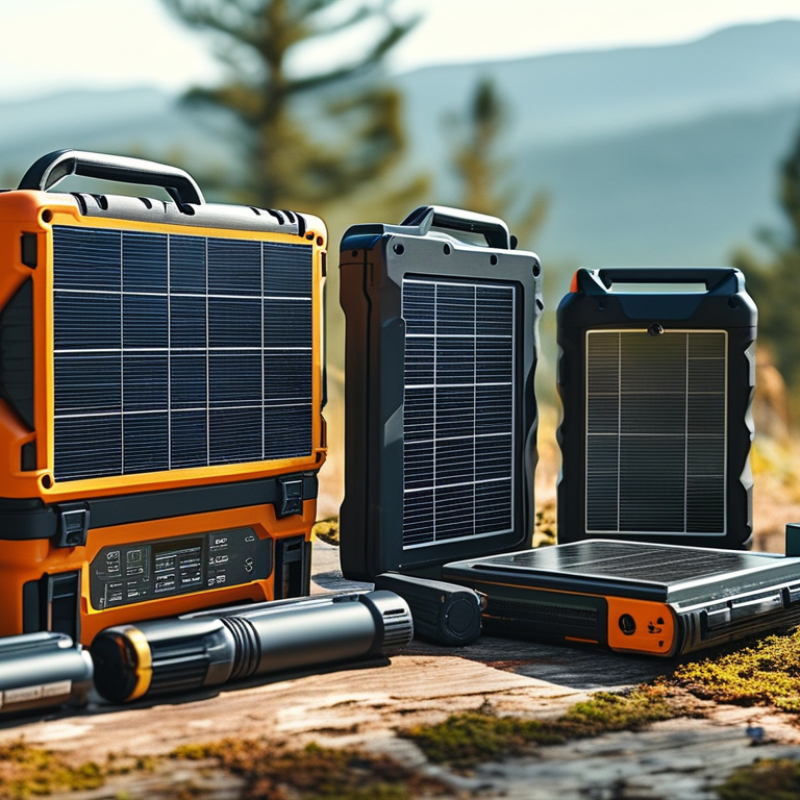
Understanding Your Power Needs and Usage Scenarios
When selecting portable solar panels, understanding your power needs is crucial. According to a recent report by the Solar Energy Industries Association (SEIA), portable solar solutions can effectively provide energy for various applications, from camping trips to emergency preparedness. Assessing your daily power consumption helps determine the appropriate panel capacity. For example, if you have devices consuming around 100 watt-hours daily, a 100-watt solar panel may be suitable.
Consider your usage scenarios. Are you planning for outdoor adventures or residential backup? A study from the National Renewable Energy Laboratory (NREL) found that people using solar panels for recreational activities often need to charge smaller electronic devices. For this, smaller panels in the range of 20-50 watts are generally adequate. However, if your goal is to power larger appliances, you may need to invest in a more robust system. Remember that actual performance may vary based on weather conditions, angle of installation, and geographic location.
It's important to recognize that portable solar panels are not a one-size-fits-all solution. Factors like weight, durability, and charging capacity require careful consideration. While many users report satisfaction, others express difficulty in achieving optimal results during cloudy days. Reflecting on these variables will help you choose a more suitable solar panel for your unique needs.
Types of Portable Solar Panels: Folding, Portable, and Rigid
When considering portable solar panels, it’s essential to understand the three main types:
folding, portable, and
rigid panels.
Folding solar panels are lightweight and easy to transport. They can be quickly set up outdoors, making them ideal for camping trips. Their flexibility allows users to place them in various positions to maximize sun exposure. However, they may have lower efficiency compared to other types.
Portable solar panels come in various sizes. They often feature built-in handles for ease of transport. Their compact design makes them suitable for smaller spaces, like RVs. While some models offer good power output, they could be less durable in harsh weather conditions.
Users should consider how often they will use these panels and in what environment.
Rigid solar panels provide higher efficiency and durability. They are often used for permanent installations but can still be moved with effort. These panels are heavier and require more setup time. While they produce reliable energy, the installation process can be daunting for some users.
It’s vital to weigh the pros and cons carefully before making a decision. Each type offers unique benefits and drawbacks that cater to different needs.
Key Features to Consider: Efficiency, Weight, and Durability
When selecting portable solar panels, evaluating efficiency, weight, and durability is crucial. Efficiency directly impacts how much solar energy is converted into usable power. Research from the National Renewable Energy Laboratory shows that solar panel efficiency can vary between 15% and over 22%. Panels with higher efficiency produce more energy in less space, making them ideal for limited-surface situations like camping or RVs.
Weight also plays a significant role in your decision. Lightweight panels are easier to carry and set up, especially for outdoor adventures. A study from the Energy Information Administration indicates that the average weight of portable solar panels ranges from 5 to 25 pounds. Heavier models may provide higher wattage, but they can be cumbersome. Balancing between portability and power output is essential.
Durability is not to be underestimated. Portable solar panels should withstand various environmental conditions. Many panels are rated for wind, rain, and even snow. However, not all are equal; some might crack or degrade faster with frequent use. Industry reports suggest looking for panels with sturdy outer materials and IP65 ratings for water resistance. Making informed choices will ensure your solar panels meet your needs effectively over time.
Assessing Budget: Cost vs. Features for Portable Solar Panels
When assessing your budget for portable solar panels, it's essential to balance cost and features. Many models vary in price based on their power output and additional features. A lower-priced option may save you money initially but could lack efficiency or durability. It's crucial to evaluate how often you plan to use the panels and in what conditions. Sometimes, spending a bit more upfront can lead to better long-term value.
Consider the features you truly need. Do you require lightweight designs for easy transport? Or perhaps built-in charging ports for devices? Features like waterproofing add to the cost but provide reliability during outdoor activities. This consideration is often overlooked. Think about your specific requirements and how those features align with your budget.
It’s also important to read reviews and gather insights. Experience from other users can guide you to the best choice. However, remember that not all reviews are unbiased, so weigh opinions carefully.
Budget is important, but so is performance. Understand the wattage you need to power your devices. An underpowered panel can be frustrating. Reflect on your past experiences with solar products. Did you end up needing more power than expected? As you calculate costs, keep these reflections in mind to make a well-rounded decision.
Reviewing Brands and Customer Feedback for Informed Choices
When it comes to choosing portable solar panels, customer feedback is invaluable. Reviews provide real-world insights into the functionality and durability of various products. Users share their experiences with weather resistance, ease of setup, and overall performance. These details can guide your decision. Look for consistent patterns in reviews, and note features that matter most to you.
Tips: Pay attention to common issues mentioned by multiple users. This can reveal potential problems with certain brands.
Moreover, consider the brand’s reputation in the market. Established companies usually have a track record for reliability and support. Investigate user forums for authentic feedback and discussions. Engage with communities to gather varied experiences, which can broaden your perspective.
Tips: Check the warranty offered by manufacturers. A solid warranty can indicate confidence in their product’s quality.
While reviews are helpful, don’t rely solely on them. Each user has different needs and expectations. What works for one may not work for another. Reflect on your specific requirements before making a choice.
Portable Solar Panels Performance Comparison
FAQS
: The primary types are folding, portable, and rigid solar panels. Each has unique features and uses.
Folding solar panels are lightweight and easy to transport. They are useful for camping but may be less efficient.
Portable solar panels come in different sizes and weights. They are suitable for RVs but might lack durability in harsh weather.
Higher efficiency means more solar energy is converted to power. This is crucial for small spaces like RVs or campsites.
Lightweight panels are easier to carry and set up. Heavier models may produce more power but can be cumbersome.
Panels must withstand various conditions. Look for models made from sturdy materials to ensure longevity and performance.
No, durability varies. Some panels crack or degrade quickly. It's important to choose models rated for water resistance and impact.
Rigid panels require more setup time and effort. They're durable and efficient but can feel daunting for some users.
Consider frequency and environment of use. Your needs will influence which type is best for your situation.
Portable panels typically weigh between 5 to 25 pounds. Balance portability with power in your decision-making process.
Conclusion
When selecting portable solar panels, it is crucial to first understand your power needs and how you plan to use them. Different usage scenarios, such as camping or emergency backup, will influence your choice of panel type. The three main types—folding, portable, and rigid—each offer unique benefits for varying situations.
Key features to consider include the efficiency of the solar panels, their weight for easy transport, and durability to withstand outdoor conditions. Budget plays a significant role as well, where it's essential to weigh the cost against the features offered. Finally, reviewing customer feedback can provide valuable insights, helping you make informed choices and ensuring you select the right portable solar panels that fit both your needs and budget.