
How to Choose the Best Solar Generator for Home Use?

Time:2026-07-17 Author:Charlotte
0%

The shift towards renewable energy is essential for a sustainable future. Solar power plays a significant role in this movement. Reports estimate that the global solar generator market will reach $1.5 billion by 2026, driven by increasing demand for clean energy solutions. A solar generator for home use not only reduces reliance on fossil fuels but can also lead to substantial savings on electricity bills.

Many homeowners are exploring solar generators. These units offer portability, convenience, and quiet operation. However, with various options on the market, choosing the right solar generator for home can be challenging. Factors such as battery capacity, wattage output, and charging time are crucial. It's important to reflect on your specific energy needs and lifestyle before making a decision.

Quality matters when selecting a solar generator. For example, top brands often have higher efficiency and longer warranties. However, not all high-priced models guarantee the best performance. Each home may require a different setup. Seek expert advice and consider user reviews to ensure a reliable purchase. Investing in a solar generator for home use ultimately supports a cleaner environment and offers lasting benefits.
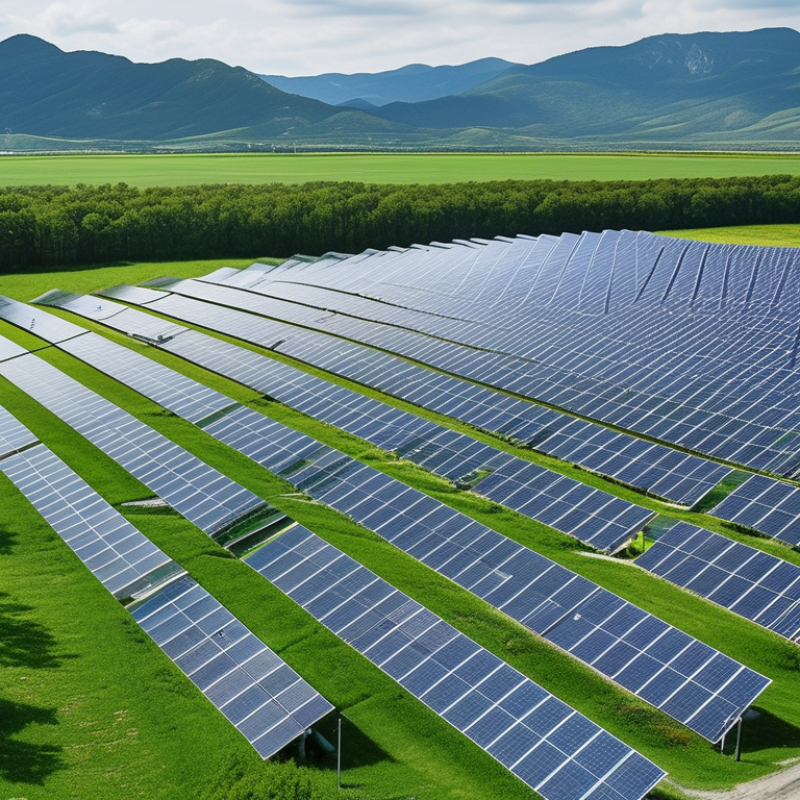
How to Choose the Best Solar Generator for Home Use?

Factors to Consider When Selecting a Solar Generator for Home Use

When choosing a solar generator for home use, there are critical factors to consider for optimal performance. Battery capacity is vital; larger capacity means longer power availability. According to industry reports, a common range for residential solar generators is between 1000Wh to 3000Wh. This size can power essential devices like refrigerators and lights for several hours. It’s essential to assess your needs before selecting the capacity.

Efficiency is another key aspect. Look for solar generators with high conversion rates for optimal use of sunlight. Reports indicate that models with at least 20% solar panel efficiency are most effective. Additionally, portability matters if you plan to use the generator outdoors. Weighing around 20 to 50 pounds is standard for home models, but this varies widely.

Cost is often a reflection of quality. While cheaper options may seem appealing, they may lack durability or have lower efficiency rates. Data suggests that the average price for reliable home solar generators hovers around $1000 to $1500. It's worth investing in a more rugged model. Ultimately, it’s crucial to weigh your energy needs against these factors to make the best choice. Your priorities will determine your ideal solar generator.

Understanding Power Output: Watts, Amp Hours, and Battery Capacity

When choosing a solar generator for home use, understanding power output is crucial. Power output is measured in watts. This indicates how much energy a generator can provide to your devices. For example, a typical refrigerator may require about 200-800 watts to run. It’s essential to assess your power needs carefully.

Another important measure is amp hours (Ah). This reflects the amount of energy stored in the battery. A generator with a higher Ah rating can power devices for a more extended period. For instance, a 100Ah battery can theoretically deliver 100 amps for one hour or 50 amps for two hours. It’s important to match your energy consumption with the generator’s capacity.

Battery capacity is also a vital factor. Larger batteries can provide more backup power. A study from the National Renewable Energy Laboratory indicates that most households use between 20-30 kilowatt-hours (kWh) daily. Consequently, having a system that can handle this is necessary for reliable power. However, many consumers often overlook the importance of battery depth of discharge. This can affect the lifespan and efficiency of the generator. Carefully evaluate these elements before making a purchase to ensure your home is adequately powered.

Comparing Solar Panel Types: Monocrystalline vs. Polycrystalline

When choosing a solar generator for home use, understanding solar panel types is crucial. Two common types are monocrystalline and polycrystalline. Monocrystalline panels are made from single crystal silicon. They tend to be more efficient, even in low light. However, they are often more expensive. Homeowners must assess if the efficiency justifies the cost.

On the other hand, polycrystalline panels consist of multiple silicon crystals. This design makes them cheaper to produce. Yet, they typically have lower efficiency rates. They perform well in bright sunlight but may struggle in overcast conditions. Some might think that saving money is the best choice, but long-term performance matters too.

Determining the right solar panel often involves trade-offs. Analyze your energy needs and budget. Efficiency and cost should be carefully balanced. Don't rush the decision; take the time to weigh options. A well-considered choice will offer comfort and practicality for years. The right panel can significantly impact your energy independence.

Efficiency Ratings: How to Evaluate Solar Generator Performance

When choosing a solar generator for home use, understanding efficiency ratings is key. These ratings indicate how well a generator converts sunlight into usable energy. Reporting from the National Renewable Energy Laboratory shows that solar generators typically operate between 15% to 22% efficiency. This means that not all sunlight will translate into power; some loss is inevitable. Evaluating this performance is crucial, as a more efficient model will yield better results over time.

Recognizing essential factors boosts your evaluation process. The solar panel's size and quality play a significant role. Larger panels tend to capture more sunlight, but the materials used can also affect efficiency. Look for models that utilize monocrystalline solar cells, as they offer higher efficiency compared to polycrystalline options. Batteries are another aspect to consider. Their discharge rate and capacity will influence how much power you can store and use.

Tips to remember: always check the wattage output when assessing performance. A generator with a higher wattage can keep more devices running simultaneously. Additionally, analyze the product's lifespan; a longer warranty often indicates reliability. Efficiency can fluctuate based on environmental conditions. Even slight changes in temperature can impact solar performance, so be prepared for some variability.

Portability and Design Features: What to Look For in a Home Generator

When selecting a solar generator for home use, portability and design are crucial features to consider. The optimal solar generator should weigh less than 50 pounds for easier transport. Many users report that models within this weight range provide enhanced mobility. For instance, a 2022 report from EnergySage indicates that lightweight generators are preferred by 85% of home users.

Another essential aspect is the generator’s design features. Look for a model with an ergonomic handle and rugged wheels, as these can significantly aid maneuverability. Many consumers appreciate features like a compact design that does not sacrifice power. A study by Solar Power World shows that 70% of users prioritize compact design when choosing a generator. Additionally, a solar generator should come with a user-friendly interface. Intuitive controls reduce setup time and enhance user experience, making it easier for everyone.

Reflecting on portability, some models might offer great power but can be cumbersome. Not all households have the same space; large generators may not fit every home layout. Evaluating your specific needs will help avoid common pitfalls, like choosing a unit that isn’t practical for your lifestyle. Shop with caution and ensure that the generator’s specifications align with your space, mobility needs, and expected usage.

Comparison of Key Features in Solar Generators for Home Use

FAQS

: What is power output in solar generators?

: Power output, measured in watts, shows how much energy a generator supplies. It’s crucial for device compatibility.

What does amp hours (Ah) indicate?

Amp hours reflect the energy stored in a battery. Higher Ah ratings mean longer device operation times.

Why is battery capacity important?

Larger batteries offer more backup power. They are vital for consistent energy supply in households.

How much energy do most households use daily?

Most homes consume between 20-30 kilowatt-hours (kWh) each day. This impacts your generator choice.

What is depth of discharge?

Depth of discharge affects battery lifespan and efficiency. It's often overlooked but needs careful consideration.

What are the main types of solar panels?

The two common types are monocrystalline and polycrystalline panels. They differ in efficiency and cost.

How do monocrystalline panels compare to polycrystalline ones?

Monocrystalline panels are more efficient but pricier. Polycrystalline panels are cheaper but less efficient.

Should cost or efficiency be prioritized?

It's essential to balance cost and efficiency. Long-term performance can justify initial costs.

How can homeowners make informed decisions about solar panels?

Analyze energy needs and budget carefully. Don't rush; thoughtful choices lead to better energy independence.

What happens if I choose the wrong solar panel?

Selecting the wrong panel can lead to inadequate power and increased costs. Reflecting on choices is important.

Conclusion

When selecting a solar generator for home use, several critical factors must be considered to ensure optimal performance and suitability for your needs. Begin by understanding the power output specifications, which include watts, amp hours, and battery capacity, as these will dictate how much energy you can generate and store. It’s also essential to compare the types of solar panels available, particularly monocrystalline and polycrystalline, as their efficiency can significantly impact your overall energy generation.

Additionally, evaluating efficiency ratings will help you assess the performance of different solar generators, ensuring you choose one that maximizes energy conversion and savings. Portability and design features play a vital role, especially for home use, as they determine how easily you can store and transport the generator. By considering these factors, you can make a well-informed decision when investing in a solar generator for home use, enhancing your energy independence and sustainability.

Charlotte

Charlotte

Charlotte is a seasoned marketing professional with a deep understanding of the company's portfolio and a passion for elevating its presence in the market. With a keen eye for detail and a commitment to excellence, she ensures that our professional blog is regularly updated with insightful articles......