In recent years, the popularity of solar generators for camping has surged. Reports indicate that the portable solar generator market is projected to grow significantly, reaching a value of USD 1.23 billion by 2025. This trend reflects a rising demand for sustainable outdoor power solutions. Enthusiasts seek eco-friendly ways to power their devices while enjoying nature.
When selecting a solar generator for camping, essential factors must be considered. It's not only about power output but also battery capacity and weight. Many campers prefer lightweight options that are easy to transport. A good solar generator should provide enough energy for essential devices. For example, a generator capable of powering a CPAP machine can be a lifesaver for those with medical needs.
However, not all solar generators are created equal. Some models may fall short in terms of durability or charging efficiency. It's crucial to assess real user reviews. Understanding the strengths and weaknesses of various products helps avoid costly mistakes. In the end, choosing the right solar generator for camping can transform your outdoor experience, making it more enjoyable and stress-free.
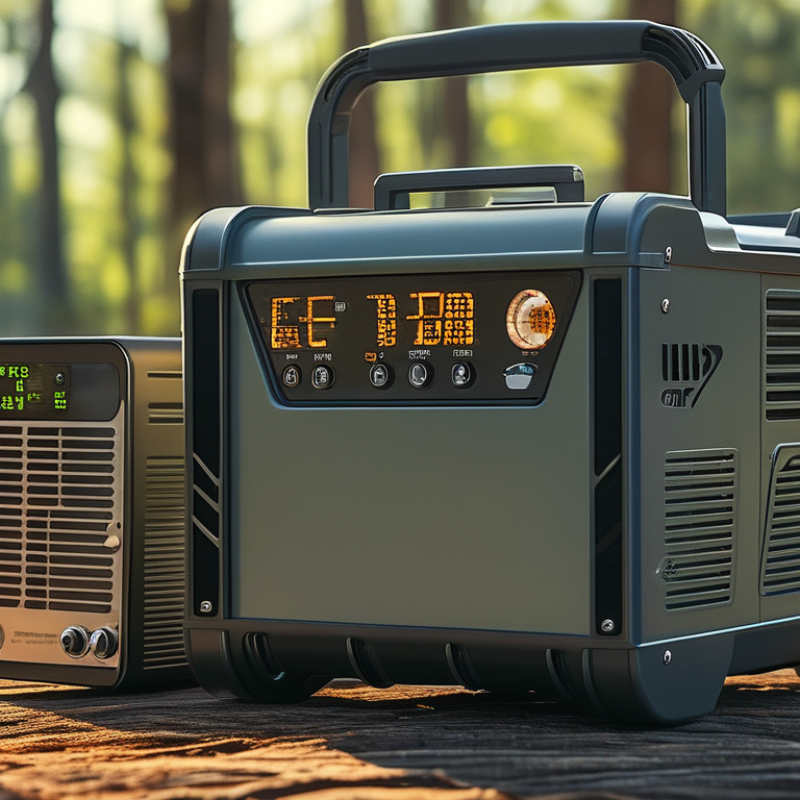
Key Features to Consider in a Solar Generator for Camping
When choosing a solar generator for camping, several key features come into play. Battery capacity is crucial. A larger capacity allows you to power multiple devices over longer periods. Aim for a generator with at least 500Wh. This will ensure you can charge phones, tablets, and even small appliances if necessary.
Next, consider the output options. Look for various ports, including USB and AC outlets. This versatility lets you connect different devices easily. Some generators also have built-in inverters to accommodate sensitive electronics. Weight and portability are also important for campers. A lightweight model makes it easier to transport. Think about how often you'll move your gear. A compact design usually offers convenience.
Lastly, check for durability. Outdoor conditions can be harsh. A robust casing can protect your investment. Waterproof features are a bonus. Reflect on your own camping needs. Not every model suits everyone. Evaluate how much power you genuinely require. Sometimes, simpler options are better. Embrace the idea that finding the right generator may take some trial and error.
Battery Capacity and Runtime: What You Need to Know
When choosing a solar generator for camping, battery capacity and runtime are crucial. Battery capacity is measured in watt-hours (Wh). A higher capacity often means you can power devices longer. For short trips, a
300Wh generator may suffice. Long trips need at least 600Wh for essentials. Consider your power needs. Charging phones and small devices is different from running a cooler or a portable microwave.
Runtime is determined by how much power your devices consume. If you use a 100W cooler, a 600Wh battery could run it for about 6 hours. However, if you’re charging multiple devices, the runtime decreases. Understanding these metrics helps make informed decisions that fit your camping style.
When selecting a generator, consider portability. Heavier units with large batteries can be hard to carry. Smaller models are easier but may lack power. Balance between weight and capacity is key. Check user reviews, as real-world experience often provides insights that specs do not.
Weather conditions impact solar charging effectiveness, too. Overcast skies mean less power generation. Be prepared for less sunny days. An extra power bank can help bridge the gap. Always test your setup before heading out; you’ll be glad you did.
Portability and Weight: Choosing the Right Solar Generator
When selecting a solar generator for camping, portability and weight are crucial factors. A lightweight unit is easier to transport. If you’re backpacking, aim for generators under 10 pounds. For car camping, you can afford a bit more weight, but compactness remains key.
Check the physical dimensions. Some models may look small but are surprisingly heavy due to their battery size. Lighter generators often have fewer features, so find a balance. Think about your energy needs. Will you power a few lights and a phone, or do you need to run larger devices? This will influence your choice significantly.
There are several considerations for ease of transport. Look for built-in handles or wheels for larger units. This can make a big difference when you’re setting up camp. Note that battery capacity affects weight. Higher capacity often means more weight. Reflect on what gear you can carry. Understanding your priorities is essential when packing. Make sure you are comfortable carrying your generator throughout your trip. Consider testing different models to see what feels right.
Best Solar Generators for Camping: Portability and Weight Comparison
Weather Resistance and Durability for Outdoor Use
When selecting a solar generator for camping, weather resistance and durability are crucial factors. Outdoor conditions can change rapidly. A generator that withstands rain, snow, and wind is essential. According to a recent industry report, over 50% of camping trips face inclement weather. This underscores the need for equipment designed for such environments.
Durability refers to the materials and build quality. Generators made from high-grade plastics or metals resist rust and corrosion. Products tested for drop resistance can survive accidental falls. Research indicates that solar generators with a higher IP rating, such as IP65, provide better protection against dust and water. This can elevate their performance during unexpected weather events.
Investing in a reliable solar generator means considering warranty and consumer reviews. Brands with longer warranty periods typically reflect confidence in their products. However, some consumers report that even well-rated generators can fail under extreme conditions. It's essential to gather feedback and research multiple sources to assess long-term reliability. This vigilance helps in making an informed choice for outdoor adventures.
Best Solar Generator for Camping - What to Look For?
| Feature |
Description |
Importance |
| Weather Resistance |
Ability to withstand rain, snow, and humidity. |
High |
| Durability |
Constructed from high-quality materials that resist wear and tear. |
High |
| Portability |
Lightweight and easy to carry or transport. |
Medium |
| Battery Capacity |
The amount of power stored for use. |
High |
| Output Options |
Variety of ports available for charging various devices. |
Medium |
| Recharge Time |
Time taken to fully recharge the unit. |
Medium |
| Warranty |
Coverage terms for the generator. |
Medium |
Additional Features: Ports, Inverters, and User-Friendliness
When choosing a solar generator for camping, additional features significantly enhance user experience.
The number and types of ports available dictate how many devices can charge simultaneously.
According to a recent industry report, models with multiple USB and AC outputs can accommodate everything from
smartphones to small coolers. This becomes crucial in communal settings where couples or families need to charge devices concurrently.
Inverters play a vital role in a solar generator’s efficiency.
A quality inverter ensures that energy is converted efficiently from solar power to usable energy for your devices.
Many camping enthusiasts overlook the inverter's wattage rating.
A portable generator with at least 300 watts is advisable for versatile use, such as running lights or charging batteries.
Sometimes, users discover that lower-rated models can’t support their needs during peak usage.
User-friendliness cannot be understated. Intuitive controls and clear indicators make setup and usage smooth in outdoor environments.
Heavy, cumbersome designs can become frustrating.
A lightweight model with an ergonomic handle encourages spontaneous adventures.
However, some users express that limited features are often present in budget models, leading to a need for workaround.
Exploring a balance between portability and capability is worthwhile for a successful camping experience.
Conclusion
When choosing the best solar generator for camping, several key features should be taken into account. First, battery capacity and runtime are crucial, as they determine how long the generator can power your devices while enjoying the great outdoors. It's important to select a model that aligns with your power needs for camping activities. Additionally, portability and weight are vital factors; a lightweight solar generator will make transport and setup much easier during your trips.
Moreover, weather resistance and durability are essential for outdoor use, as camping conditions can vary. Opt for a solar generator designed to withstand different elements, ensuring it lasts through various adventures. Finally, consider additional features such as ports for multiple device connections, inverters for versatility, and overall user-friendliness for an optimal camping experience. By focusing on these criteria, you can find the perfect solar generator for camping that meets all your needs.